In the intricate world of modern electronics and automation, the proximity sensor unit stands as a silent sentinel. Its primary function is deceptively simple: to detect the presence or absence of an object within a specified range without any physical contact. From ensuring your smartphone screen turns off during a call to safeguarding machinery on a factory floor, these sensors are ubiquitous. Given their critical role, the ability to perform a reliable proximity sensor unit self-test is paramount for system integrity, safety, and preventive maintenance.
A self-test, in this context, refers to a diagnostic routine initiated either manually by a technician or automatically by the system's control software. This routine evaluates the sensor's core functionalities to verify it is operating within its specified parameters. It is not merely a check for power; it's a holistic assessment of health. The fundamental objectives of a self-test procedure are threefold. First, to verify the basic electrical integrity of the sensor circuit, including supply voltage and current draw. Second, to assess the sensor's functional response by simulating a target presence and absence. Third, to calibrate or verify the sensor's sensing range and output signal accuracy against a known reference.
The methodology for a self-test varies significantly depending on the sensor technology. Inductive proximity sensors, used for detecting metals, often employ a test target—a piece of specified metal—that is presented to the sensor face during the test cycle. The control system then monitors the sensor's digital output or analog signal change. Capacitive sensors, capable of detecting a wider range of materials including liquids and plastics, may use a similar approach with a standardized test material. Photoelectric sensors might utilize an internal loopback test for the emitter and receiver optics or require a reflector or test object to break the beam. Modern intelligent sensors with IO-Link or other digital communication protocols can perform extensive internal diagnostics and report status, temperature, signal strength, and even contamination levels, all as part of a sophisticated self-test suite.
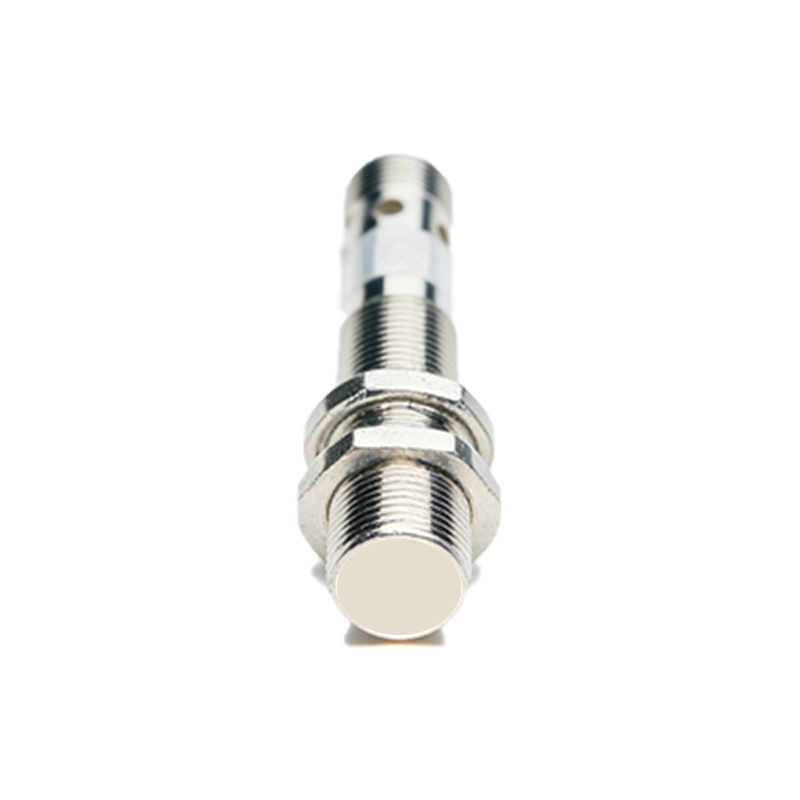
A standard self-test sequence typically follows a logical flow. The process begins with an initialization phase where the system ensures safe conditions for testing, often involving machinery lockouts. The sensor is then powered, and its idle-state output is checked. Next, the test stimulus is applied. This could be the movement of a test target into the sensing field, the activation of an internal test function, or a command sent via a network. The system meticulously records the sensor's response time and the state of its output signal. The stimulus is then removed, and the sensor must return to its original idle state within a defined time. Finally, the collected data—response times, signal levels, and any error codes—are compared against pre-programmed thresholds stored in the system's memory. A pass or fail determination is made and logged.
Implementing a robust self-test regimen offers immense practical benefits. The most significant is predictive maintenance. By regularly testing sensors, potential failures can be identified before they cause unplanned downtime. A sensor with a degrading response time or a drifting sensing range can be scheduled for replacement during a planned maintenance window, avoiding costly production halts. Furthermore, self-tests are crucial for safety-critical applications. In automated guided vehicles (AGVs) or robotic work cells, verifying that all safety-related proximity sensors are functional before system start-up or after a safety stop is a non-negotiable step to prevent accidents. It also simplifies troubleshooting for technicians. Instead of using multimeters and oscilloscopes for initial fault-finding, a failed self-test can immediately point to a specific sensor or circuit, dramatically reducing mean time to repair (MTTR).
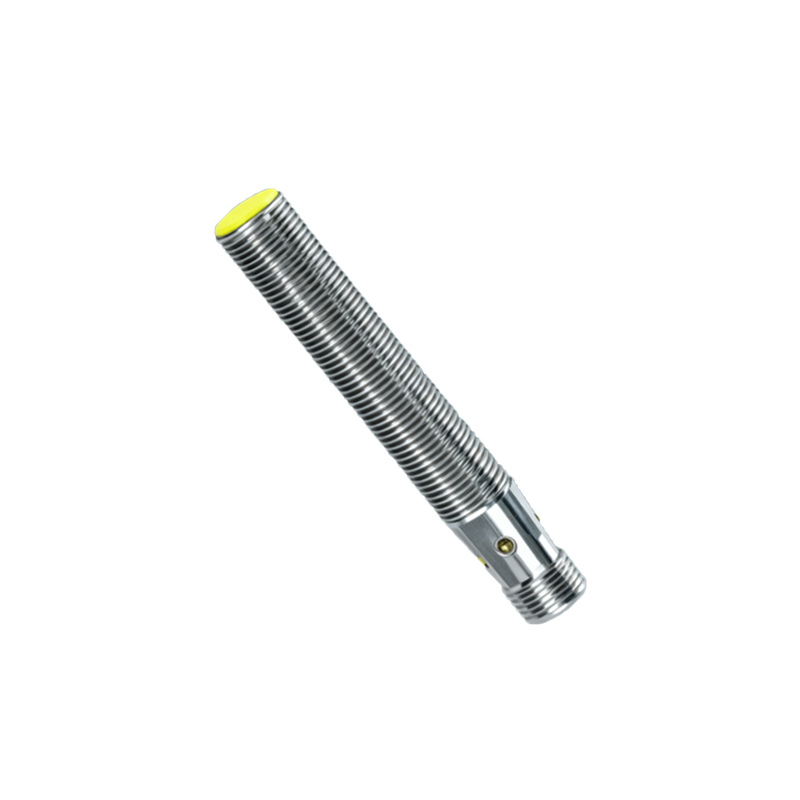
However, it is crucial to understand the limitations of a self-test. A passing self-test generally confirms that the sensor responded correctly to the specific test condition at that moment. It does not guarantee the sensor will perform flawlessly under all real-world operating conditions. For instance, a photoelectric sensor might pass a test with a clean lens but fail later due to accumulated dust or condensation. Environmental factors like extreme temperature fluctuations, electromagnetic interference, or vibration can affect performance between test cycles. Therefore, self-tests should be viewed as a powerful component of a broader maintenance strategy that includes physical inspection, environmental controls, and adherence to the sensor's operational specifications.
For engineers and maintenance personnel, integrating self-test functionality requires forethought. When designing a system, selecting sensors with built-in diagnostic capabilities or planning for external test mechanisms is essential. The test procedures must be documented in detail, specifying the correct test target material and distance for each sensor type. Test frequency should be based on the criticality of the application and the sensor's operational environment—a sensor in a harsh, dusty foundry will need more frequent checks than one in a clean laboratory setting. Logging all test results, both passes and fails, creates a valuable historical record for analyzing failure trends and optimizing the maintenance schedule.
In conclusion