In the rapidly evolving world of industrial automation and smart technology, proximity sensors stand as critical components, enabling machines to perceive their environment without physical contact. An exhibition dedicated to these devices offers a unique, concentrated view of the entire ecosystem—from raw component manufacturers to integrated system providers. Navigating such an event can be overwhelming. This guide, serving as your conceptual exhibition map, outlines the key zones and trends you are likely to encounter, helping you chart a course through the latest innovations.
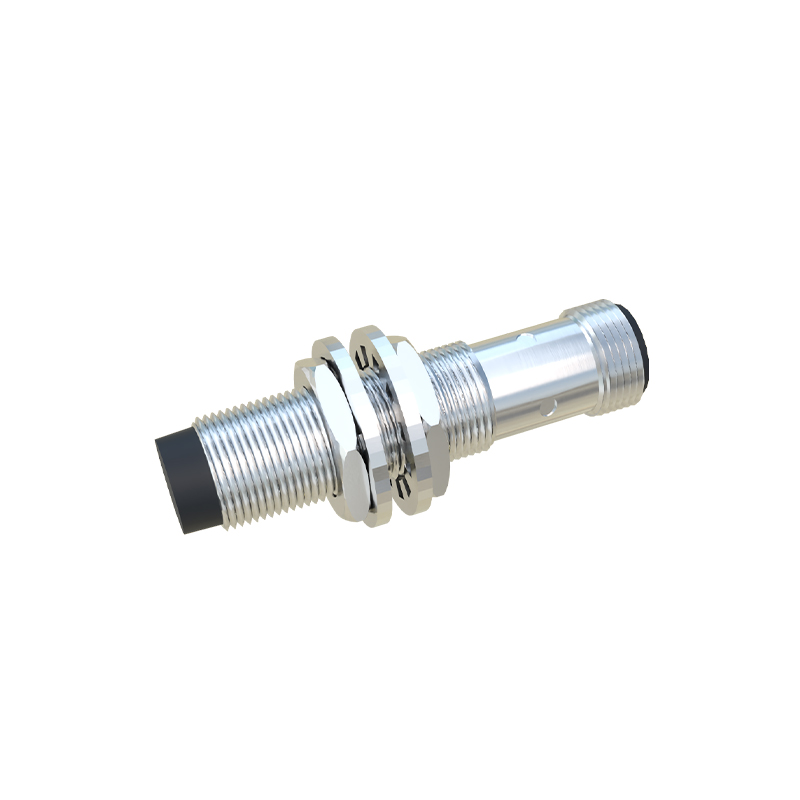
The first major zone on any proximity sensor exhibition map is the Core Technology Pavilion. Here, you will find the fundamental building blocks. Exhibitors showcase the primary sensing technologies: inductive, capacitive, ultrasonic, photoelectric, and magnetic. Inductive sensors, detecting metallic objects, are displayed with new alloys and compact designs for tighter spaces. Capacitive sensors, sensitive to both metallic and non-metallic materials like liquids or plastics, are demonstrated with enhanced shielding to ignore unwanted interference. This zone is where engineers compare technical specifications—sensing ranges, frequency responses, and housing materials—directly, often with live demos involving fast-moving targets or challenging materials.
Adjacent to this is the Integration and Connectivity Hub. The modern sensor is not an island. This section of the map highlights how proximity sensors are becoming intelligent nodes in larger networks. You will see a strong emphasis on IO-Link, the point-to-point serial communication protocol that transforms a simple sensor into a rich data source. Exhibits demonstrate sensors transmitting not just a simple on/off signal, but detailed diagnostic data like temperature, operating hours, and signal strength, enabling predictive maintenance. Furthermore, exhibits showcase seamless integration with PLCs (Programmable Logic Controllers), robotic arms, and entire Industry 4.0 frameworks, emphasizing plug-and-play compatibility and simplified wiring through advanced connectors.
A growing and dynamic section is the Application-Specific Solutions Arena. This is where technology meets real-world challenges. Instead of generic sensors, you encounter devices engineered for extreme environments. Look for sensors with exceptionally high IP (Ingress Protection) ratings, capable of withstanding high-pressure washdowns in food and beverage plants or resisting corrosive chemicals in chemical processing. Another key exhibit area focuses on the automotive and electronics assembly lines, featuring ultra-miniature sensors for PCB (Printed Circuit Board) inspection or precise positioning in robotic screwdriving. Safety-rated sensors, compliant with standards like SIL (Safety Integrity Level) or PL (Performance Level), form their own critical subsection, often demonstrated in simulated safety light curtain or area guard applications.
No contemporary exhibition map would be complete without the Innovation and R&D Corridor. This zone peers into the future. Here, research institutions and forward-thinking companies present prototypes and next-generation concepts. Key themes include the development of sensors with AI at the edge, capable of making basic classification decisions (e.g., distinguishing between different package types on a conveyor). Another trend is the miniaturization race, pushing the limits of how small a fully functional sensor can be for micro-assembly tasks. Additionally, there is a focus on energy harvesting for wireless sensors and the use of new materials to reduce cost or extend sensing ranges.
Finally, the Supporting Services Plaza rounds out the map. This area is dedicated to the tools that support sensor deployment and longevity. You will find calibration equipment providers, software companies offering configuration and diagnostic suites, and experts in cabling and connectivity solutions that ensure signal integrity in electrically noisy environments. Many system integrators have booths here, offering tailored advice on selecting and implementing the right sensor for complex automation projects.
In conclusion, a proximity sensor exhibition is a microcosm of industrial innovation. Using this conceptual map as your guide—moving from Core Technology, through Integration and Application, to R&D and Support—allows for a structured and productive exploration. The ultimate goal is to witness how these ubiquitous components are becoming smarter, more connected, and more specialized, driving efficiency and intelligence across countless industries. The next time you attend such an event, you'll be equipped not just to see products, but to understand the technological landscape they are shaping.