In an era where energy conservation is paramount, the evolution of proximity sensor technology has taken a significant leap forward. Ultra low power proximity sensors are emerging as a critical component in the design of sustainable and long-lasting electronic devices. These sensors, which detect the presence or absence of an object within a specific range without physical contact, are now engineered to operate on minuscule amounts of power, fundamentally changing how we approach device design and battery life.
The core principle behind their exceptional energy efficiency lies in advanced operational methodologies. Traditional sensors often rely on continuous active sensing, constantly emitting a signal and monitoring for reflections, which drains power. Modern ultra-low-power variants employ sophisticated duty cycling. They spend the vast majority of their time in a deep sleep or standby mode, consuming current in the nanoampere or even picoampere range. They then "wake up" at precisely timed, ultra-short intervals to take a measurement. This burst-mode operation reduces the average current consumption by several orders of magnitude. Furthermore, innovations in sensing technology itself contribute to savings. Some sensors utilize highly sensitive analog front-ends and intelligent digital signal processing that can detect minute changes with minimal active emission power. Others leverage alternative, inherently low-power physical principles.
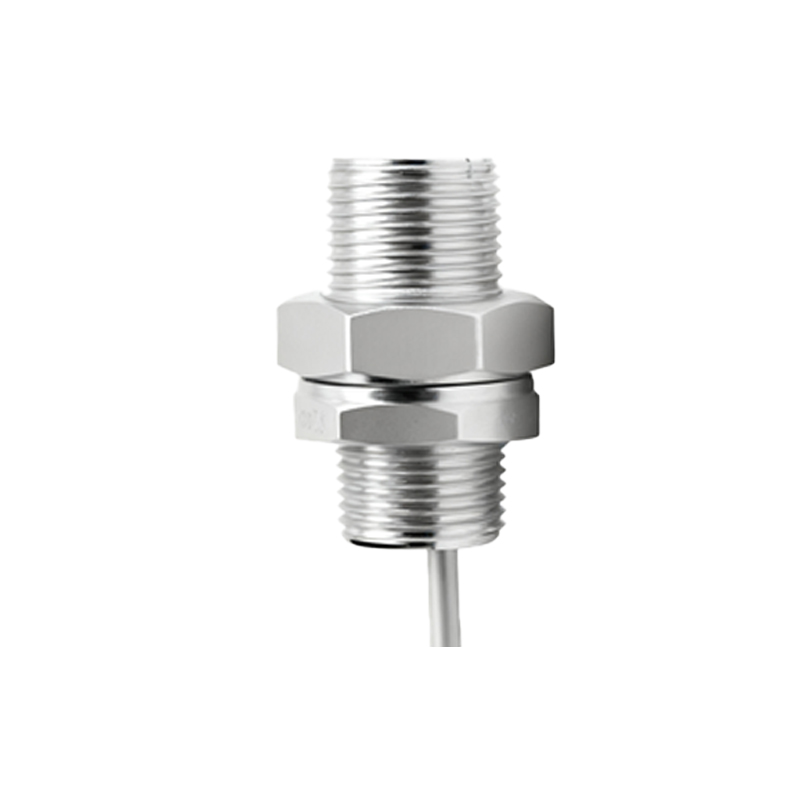
The applications for these power-sipping sensors are vast and transformative. In the consumer electronics space, they are integral to enabling always-on features in smartphones and wearables. For instance, a smartwatch can use an ultra-low-power proximity sensor to detect when it is placed on a wrist to automatically wake the display, or when it is removed to conserve power. In smartphones, they manage display states during calls, preventing accidental screen touches. Beyond personal devices, they are pivotal in the Internet of Things (IoT). Battery-powered IoT nodes, such as environmental monitors, smart agriculture sensors, or industrial equipment monitors, can now operate for years on a single battery charge because the proximity sensor, often a key trigger for data collection, adds negligible load. In asset tracking and logistics, tags equipped with these sensors can detect movement or the opening of a container, transmitting data only when an event occurs, thereby extending operational life from months to potentially over a decade.
Designing systems around these sensors requires careful consideration. While the sensor itself may be incredibly efficient, the overall system power budget must account for the microcontroller unit (MCU) that processes its signals and any wireless communication modules. The most effective implementations tightly integrate the sensor with an ultra-low-power MCU, ensuring the entire signal chain wakes and sleeps in perfect harmony. Power management integrated circuits (PMICs) are also crucial, providing clean, stable voltage rails with high efficiency even at very low current draws. Developers must also master firmware optimization, minimizing active time and leveraging hardware interrupts from the sensor to wake the main processor only when necessary.
The impact on battery life and sustainability is profound. By reducing the power consumption of a single, frequently used component, the overall device's energy demands plummet. This allows for the use of smaller, cheaper batteries or extends the time between charges or battery replacements dramatically. From an environmental perspective, this means fewer batteries consumed, reduced electronic waste, and lower energy demands over the product's lifecycle. It enables the feasibility of large-scale, maintenance-free sensor deployments for smart cities and industrial monitoring, contributing to broader energy efficiency goals.
Looking ahead, the trajectory for ultra-low-power proximity sensing points toward even greater integration and intelligence. Future sensors will likely incorporate more on-chip processing, making preliminary decisions locally without waking the main system processor. We can also expect the fusion of proximity sensing with other low-power modalities like ambient light sensing or temperature measurement into single, multi-function chips. As energy harvesting technologies from light, vibration, or thermal gradients mature, these sensors could be paired with micro-harvesters to create truly perpetual, battery-free sensing systems.
In conclusion, ultra-low-power proximity sensors represent more than just a component upgrade; they are a foundational technology enabling the next generation of efficient, intelligent, and sustainable electronics. By mastering the art of near-zero power consumption during idle states, they unlock new possibilities in device design, user experience, and large-scale IoT deployments, making "always sensing" a practical reality without the penalty of "always draining."