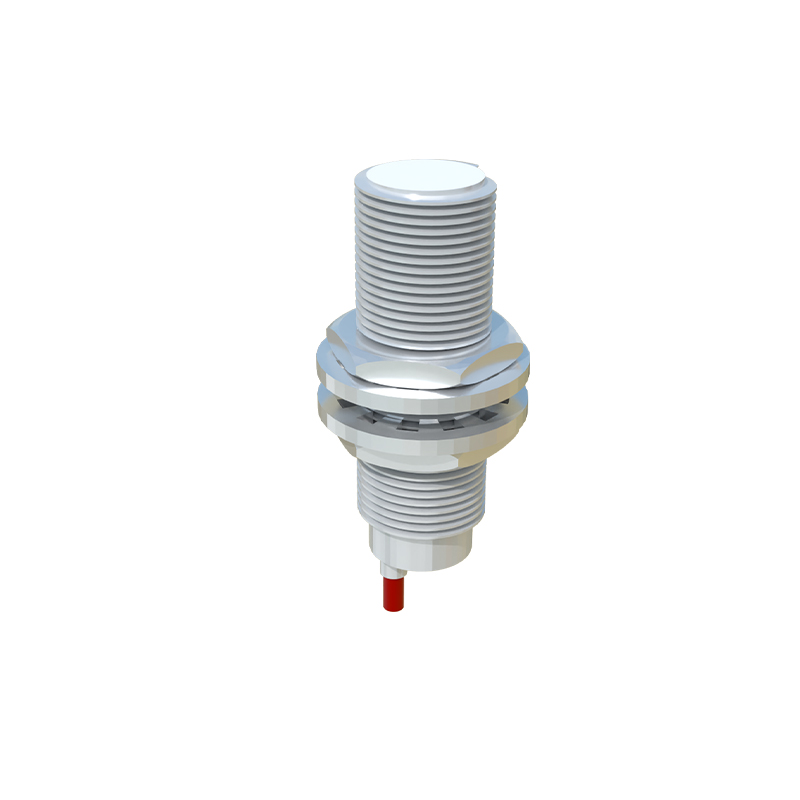
In industrial automation and machinery design, the ability to detect the presence or absence of an object without physical contact is fundamental. Among the various technologies that enable this, one of the most robust and widely implemented is the inductive proximity sensor, specifically designed to detect ferrous metals—commonly referred to as a "ferrous metal proximity sensor" or, in simpler terms, a sensor that reacts when a "piece of iron" comes near. This article delves into the operational principles, key characteristics, typical applications, and selection criteria for these indispensable electronic components.
At its core, an inductive proximity sensor for ferrous metals operates on the principle of electromagnetic induction. The sensor contains a coil wound around a ferrite core, which is part of an oscillator circuit. When powered, this oscillator generates a high-frequency alternating electromagnetic field that radiates from the sensor's active face. In the absence of a conductive metal target, the oscillator maintains a constant amplitude. However, when a ferrous metal object (like iron or steel) enters this field, eddy currents are induced on the surface of the target. These eddy currents draw energy from the sensor's oscillating circuit, causing a drop in the oscillation amplitude. An integrated evaluation circuit monitors this amplitude change. Once the amplitude reduction reaches a predetermined threshold—corresponding to the object being within the specified sensing range—the sensor's solid-state output switch is triggered, changing state from "off" to "on" or vice versa.
This technology offers several distinct advantages. First and foremost is its non-contact nature, which eliminates mechanical wear and tear, ensuring a long operational life with high reliability. These sensors are exceptionally robust, often housed in metallic or high-grade plastic bodies rated for IP67 or higher, making them resistant to dust, moisture, oils, and coolants commonly found in industrial environments. They are immune to ambient light, color, or surface finish of the target, focusing solely on the conductive and magnetic properties of the material. Their response time is extremely fast, often in the microsecond range, allowing for detection of objects moving at high speeds. Furthermore, they provide a consistent and repeatable switching point.
A critical specification for these sensors is the "rated operating distance" or "Sn," typically measured in millimeters. This is the nominal sensing range under standardized conditions using a mild steel target of a defined size. It is crucial to understand that the effective sensing range can vary significantly with different metals. For standard inductive sensors, the detection range is greatest for ferrous metals like iron and steel. For non-ferrous metals like aluminum, brass, or copper, the sensing distance is substantially reduced, often to 30-50% of the rated distance, due to lower electrical conductivity and permeability. Some specialized models are tuned specifically for non-ferrous detection.
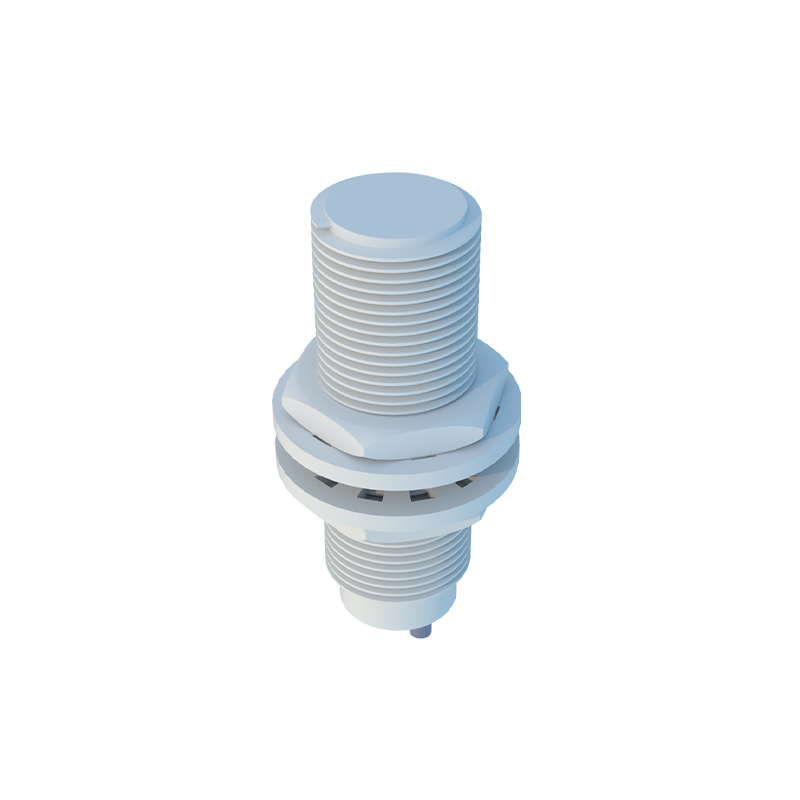
The applications for ferrous metal proximity sensors are vast and span nearly every industry. In automotive manufacturing, they count gears on a production line, confirm the presence of engine blocks, or verify robotic arm end positions. In material handling and packaging, they detect metal parts on conveyors, control gate positions, or provide end-of-travel limits for actuators. Machine tools rely on them for tool breakage detection, spindle positioning, and workpiece presence verification. They are also integral to safety systems, such as interlock switches on guards and doors. A common, simple example is a sensor detecting the teeth of a rotating iron gear to monitor speed or position.
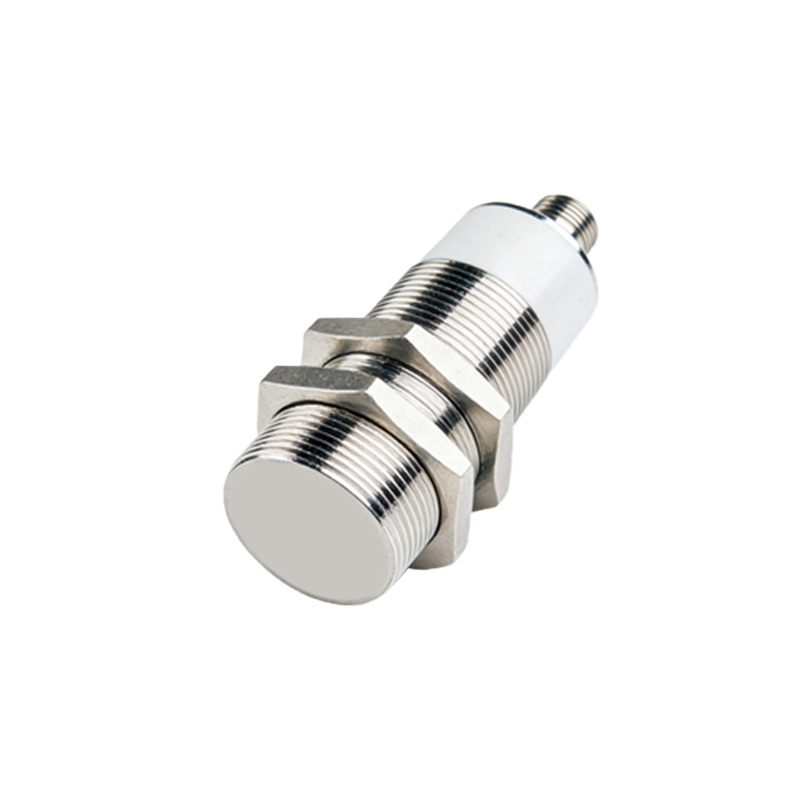
When selecting a sensor for a specific task, several factors must be considered beyond just the required sensing distance. The housing shape (barrel-style, rectangular, or ring-shaped) must fit the mechanical constraints. The output type (NPN sinking, PNP sourcing, normally open, or normally closed) must be compatible with the control system's input card (e.g., PLC). The supply voltage range (commonly 10-30V DC) is another key parameter. Environmental factors are paramount; sensors for welding areas need high immunity to magnetic fields, while those in food processing might require stainless steel housings and specific certifications. Finally, considering the mounting style (flush or non-flush) is important, as flush-mountable sensors can be installed embedded in metal without affecting their sensing field, offering protection from physical damage.
In conclusion, the ferrous metal proximity sensor is a workhorse of modern industrial control. Its simple, physics-based operation translates into exceptional durability and reliability in demanding conditions. By understanding how they work—reacting to the disturbance in an electromagnetic field caused by an approaching piece of iron—engineers and technicians can effectively integrate them into systems to automate processes, enhance safety, and gather critical machine data. Their continued evolution, including miniaturization and enhanced intelligence with IO-Link communication, ensures they will remain a cornerstone of automation for the foreseeable future.