In the realm of industrial automation and precision measurement, proximity sensors are indispensable. Among the diverse technologies available, the spring proximity sensor stands out for its unique mechanical-electrical integration, offering robust and reliable non-contact detection in challenging environments. Unlike optical or capacitive sensors, this type leverages a simple yet effective physical principle for operation.
At its core, a spring proximity sensor consists of a conductive spring, typically made of stainless steel or another durable metal, which acts as both the sensing element and a mechanical protector. This spring is housed within a sensor body and is electrically connected to a control circuit. The fundamental working principle is based on the change in inductance or capacitance. When the spring is in its resting state, undisturbed, the sensor's internal oscillator maintains a steady state. The key action occurs when a target object—usually metallic—approaches the free end of the spring.
As the target nears, it interacts with the spring's electromagnetic field. This interaction causes a physical deflection or vibration in the spring itself. Even a minute movement alters the inductance of the coil associated with the spring or changes the capacitive coupling. This alteration is precisely detected by the sensor's internal circuitry. Once the change surpasses a predefined threshold, the sensor triggers a switching action. This could be an output signal changing from a high to a low state (or vice versa in a PNP configuration), sending a clear "object detected" command to a connected system like a Programmable Logic Controller (PLC).
The design offers several compelling advantages. The spring mechanism provides exceptional resistance to physical impact, shock, and vibration, making these sensors ideal for harsh industrial settings like machine tools, stamping presses, and heavy robotics. The spring can absorb accidental collisions that would permanently damage a rigid sensing face. Furthermore, they are largely immune to common industrial nuisances such as dust, oil, coolant mist, and chips. Unlike optical sensors, their performance is not hindered by dirty environments, and compared to standard inductive sensors, the spring extension can sometimes allow for detection in recessed or hard-to-reach areas.
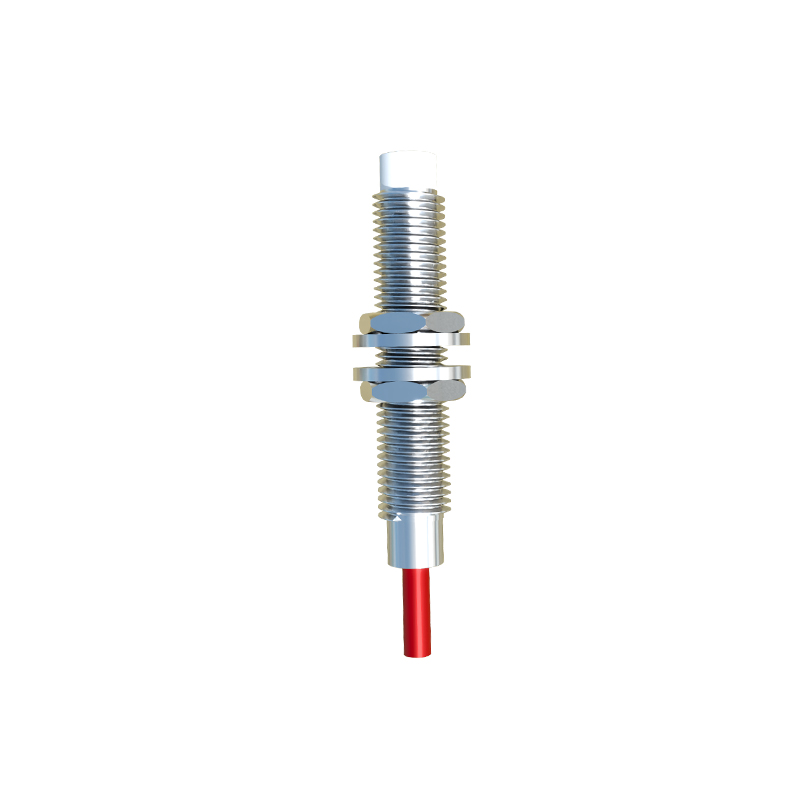
Applications for spring proximity sensors are widespread across manufacturing. A primary use is for end-position detection in pneumatic or hydraulic cylinders. The sensor is mounted on the cylinder body, and the piston rod or a mounted flag acts as the target, providing precise feedback on whether the cylinder is fully extended or retracted. They are also extensively used in material handling for counting metal parts on conveyors, monitoring the presence of tools in CNC machining centers, and ensuring proper positioning in assembly lines. In automated packaging machinery, they verify the presence of metal lids or caps.
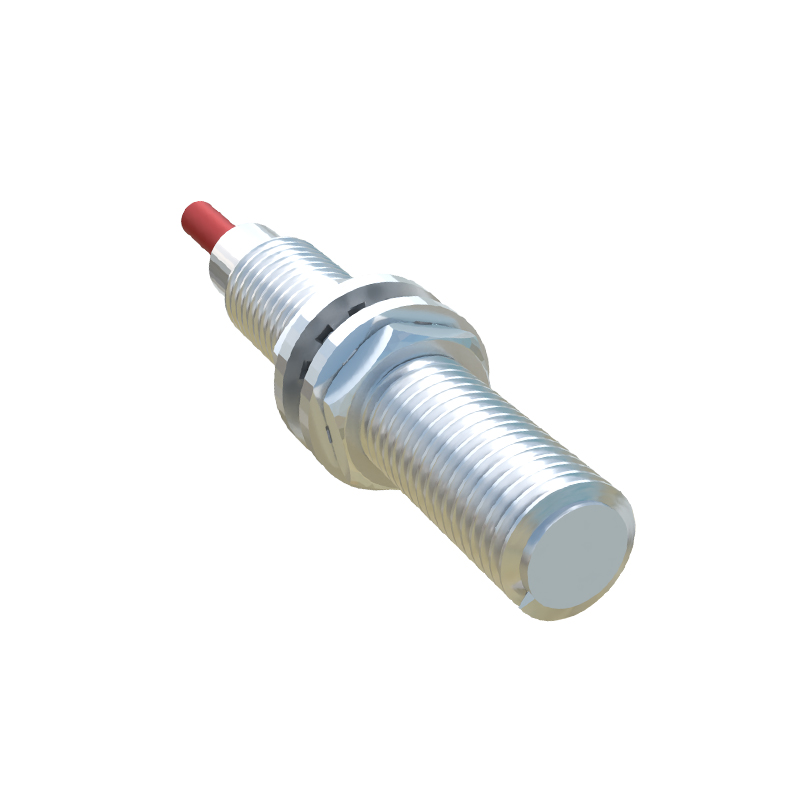
Selecting the right spring proximity sensor requires attention to key specifications. The sensing distance, though typically shorter than standard barrel-style inductive sensors (often ranging from 2mm to 10mm), must be chosen based on the application's mechanical tolerances. The spring's material and stiffness should be compatible with the expected frequency of contact and the force of impact. Electrical output type (e.g., NPN sinking or PNP sourcing), voltage range (commonly 10-30V DC), and connection method (pre-wired cable or quick-disconnect) must align with the control system. Environmental ratings, particularly Ingress Protection (IP) ratings like IP67, are crucial for ensuring reliability in wash-down or outdoor conditions.
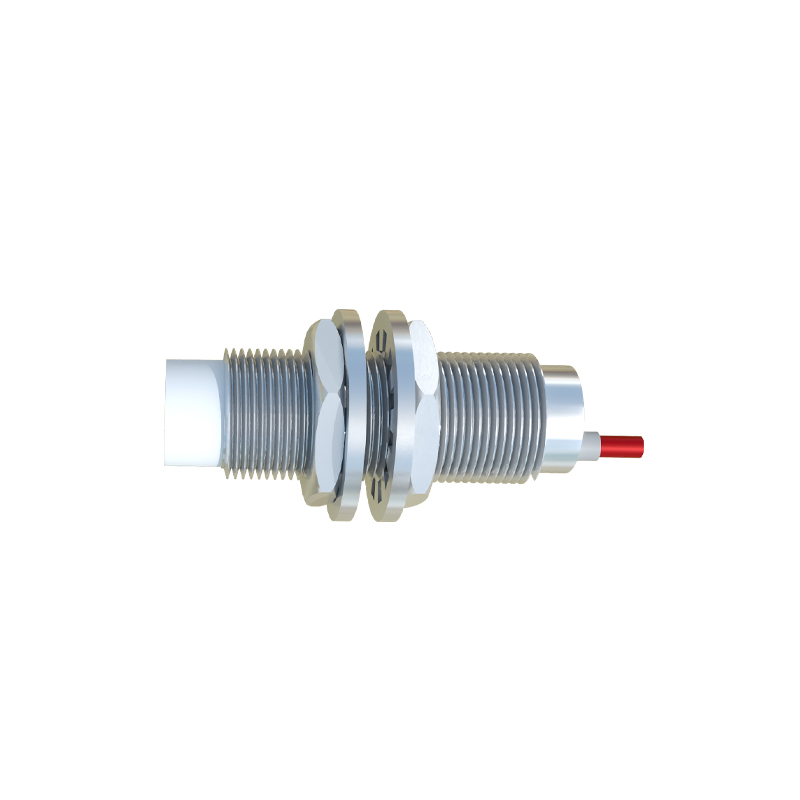
Installation and maintenance are straightforward. The sensor must be securely mounted so that the target approaches the spring axially for optimal sensitivity. It is vital to ensure the target material is ferrous or non-ferrous metal, as the sensing effect is significantly stronger with metals. Regular inspection of the spring for deformation or fatigue and cleaning of accumulated debris will ensure long-term, trouble-free operation. Their inherent durability often translates to a long service life, reducing downtime and maintenance costs.
In summary, the spring proximity sensor is a workhorse of industrial sensing. By marrying a resilient mechanical spring with solid-state electronics, it delivers a fail-safe detection solution where durability and reliability are paramount. Its ability to withstand physical abuse and environmental contaminants ensures continuous operation in the most demanding automation tasks, making it a trusted choice for engineers seeking a robust and simple sensing technology.