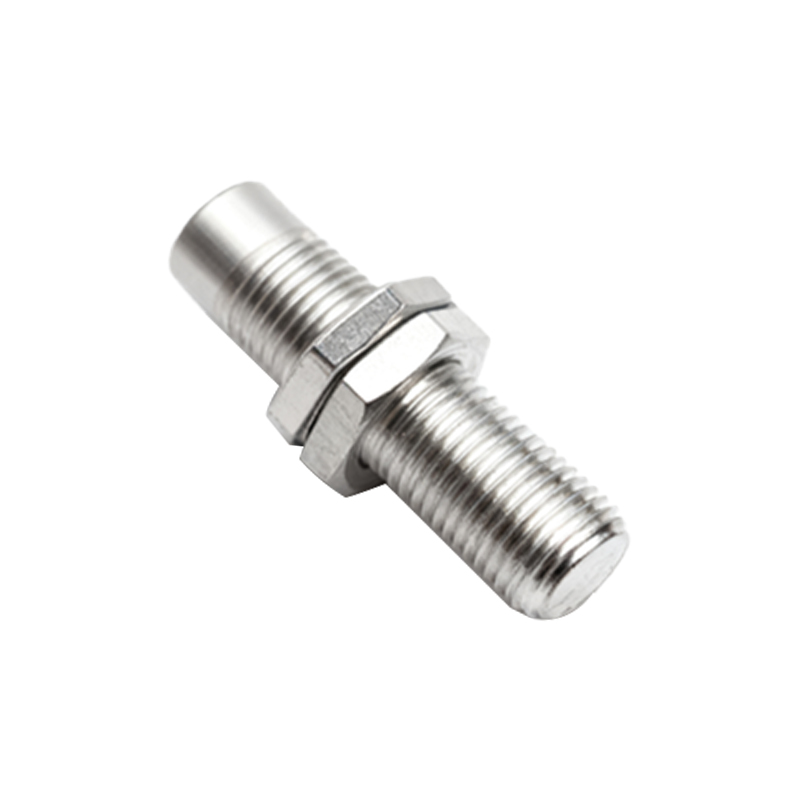
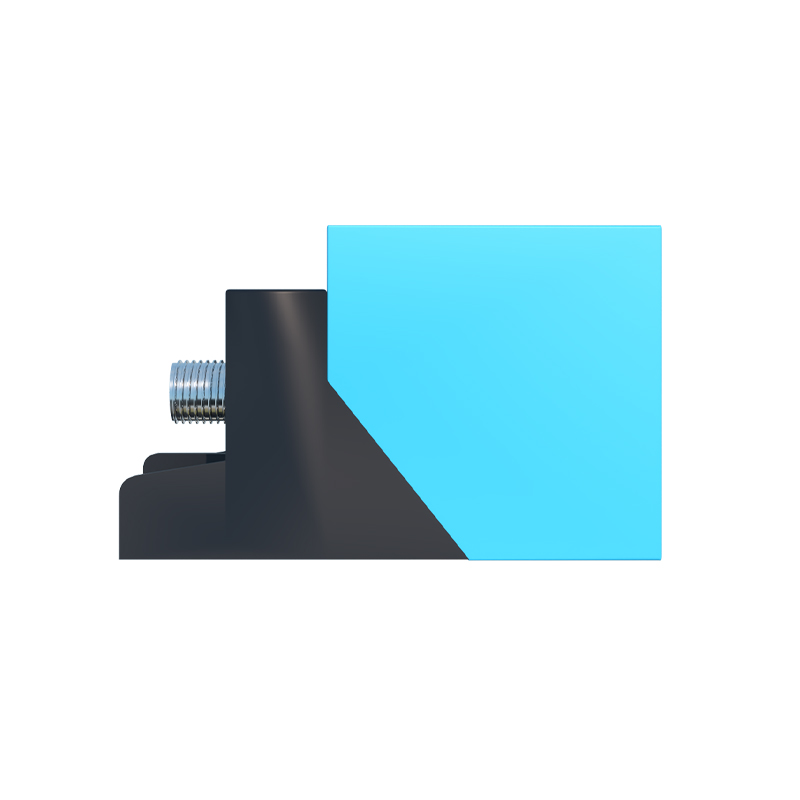
In the intricate world of industrial automation and smart device manufacturing, the choice of sensing components is not merely a procurement decision; it is a foundational commitment to system integrity. Among these critical components, the proximity sensor stands out as a silent sentinel, enabling non-contact detection of objects with remarkable precision. While the market offers a plethora of alternatives, from compatible units to outright counterfeits, the case for specifying and utilizing original proximity sensors is compelling and multifaceted. This discussion delves into the inherent value, technical assurances, and long-term benefits that genuine sensors provide, distinguishing them from their imitators.
At the core of an original proximity sensor is a guarantee of performance as defined by its original equipment manufacturer (OEM). These manufacturers invest heavily in research, development, and rigorous testing protocols. Each sensor is engineered to deliver exact specifications regarding sensing distance, repeat accuracy, response time, and environmental resilience. For instance, an original inductive sensor from a leading brand will consistently provide the stated switching distance with a tolerance often within microns, a level of predictability that is paramount in high-speed assembly lines or precision robotic applications. Substitutes may claim similar specifications on paper, but real-world performance can vary dramatically, leading to missed detections, false triggers, and costly production errors.
Durability and construction quality are other hallmarks of original components. OEMs use specified grades of materials for housings, sensing faces, and internal electronics to ensure operation under advertised conditions. These conditions include extreme temperatures, exposure to oils, coolants, and metallic dust, or resistance to physical shock and vibration. An original ultrasonic proximity sensor is sealed to a specific IP (Ingress Protection) rating, guaranteeing its functionality in washdown environments. Non-original sensors often cut corners on material quality and sealing processes, resulting in premature failure, fluid ingress, and unplanned downtime. The initial cost saving is quickly eclipsed by the expense of replacement labor and lost production.
Reliability extends beyond the physical unit to encompass electrical compatibility and signal integrity. Original sensors are designed to work seamlessly within the OEM's ecosystem and with standard industrial control systems. Their output signals—be it NPN, PNP, analog, or IO-Link—are stable and noise-resistant, ensuring clean communication with programmable logic controllers (PLCs). Inferior copies can introduce electrical noise, cause fluctuations in analog signals, or even damage control inputs due to improper circuit design. This electrical reliability is non-negotiable for maintaining the stability of an entire automated process.
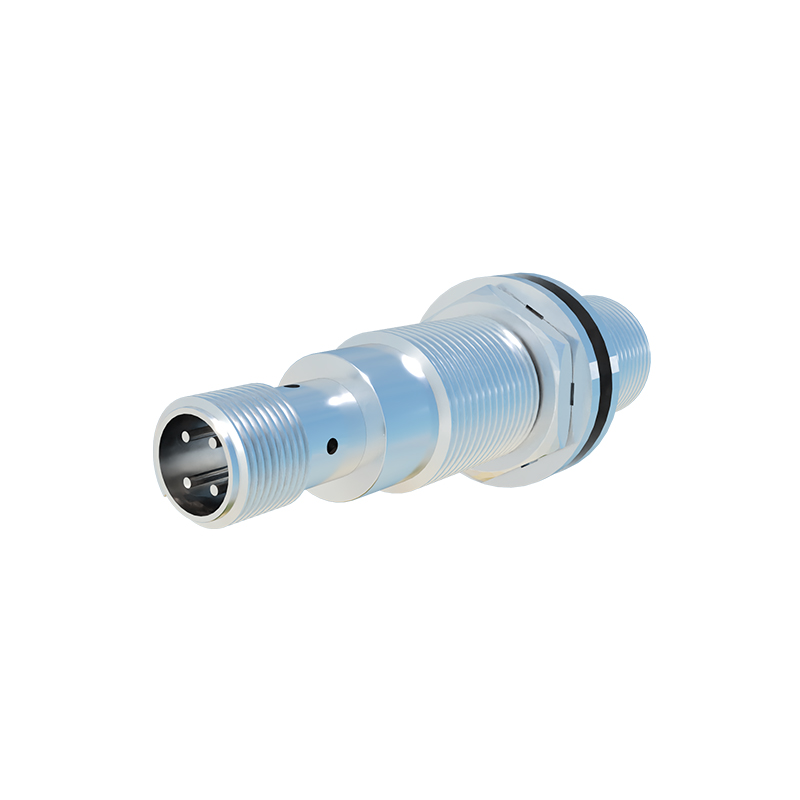
The long-term operational cost, or Total Cost of Ownership (TCO), strongly favors original proximity sensors. Their extended service life, reduced failure rate, and consistent performance minimize maintenance interventions and production stoppages. Furthermore, they are backed by comprehensive OEM support, including detailed technical documentation, accurate datasheets, application engineering advice, and traceable warranty services. In the event of a complex system issue, having traceable, genuine components simplifies diagnostics and support requests. Sourcing non-original parts often leads to a support dead-end, leaving maintenance teams to troubleshoot alone.
Finally, in industries governed by strict safety standards and quality certifications, using original components is frequently a compliance requirement. The documented pedigree and certified performance of an original sensor contribute to the overall safety certification of machinery. Utilizing uncertified, non-original sensors can void machine warranties, violate safety protocols, and expose manufacturers to significant liability.
In conclusion, while the upfront price of an original proximity sensor may be higher, it represents an investment in precision, reliability, and system security. It is the embodiment of engineered quality, ensuring that automated systems perform as intended, day in and day out. For engineers and procurement specialists committed to excellence and operational efficiency, specifying original proximity sensors is not just a best practice—it is the only logical choice for sustainable and reliable automation.