Human proximity sensors, a critical component in modern automation and interactive systems, have evolved significantly over the past decade. These devices detect the presence or approach of a person without physical contact, enabling applications ranging from industrial safety to consumer electronics. The current landscape is characterized by rapid technological advancement, diversification of sensing principles, and expanding market adoption.
The dominant sensing technologies today include capacitive, infrared (IR), ultrasonic, and microwave/radar-based sensors. Capacitive sensors, which detect changes in an electrical field, are widely used in touchless faucets, elevator controls, and automotive interiors due to their low cost and reliability. Infrared sensors, particularly passive infrared (PIR), remain prevalent in lighting control and security systems for their energy efficiency and motion detection capabilities. However, active IR sensors with modulated signals are gaining traction for precise short-range detection.
Ultrasonic sensors, utilizing sound waves beyond human hearing, offer robust performance in challenging environments with dust, smoke, or varying lighting conditions. They are commonly deployed in parking assistance systems and industrial automation. Meanwhile, microwave and radar-based sensors, especially those operating in the millimeter-wave (mmWave) frequency bands, represent the cutting edge. These sensors can detect subtle movements, measure distance and velocity, and even monitor vital signs like breathing, making them ideal for advanced applications in healthcare, smart homes, and automotive safety.
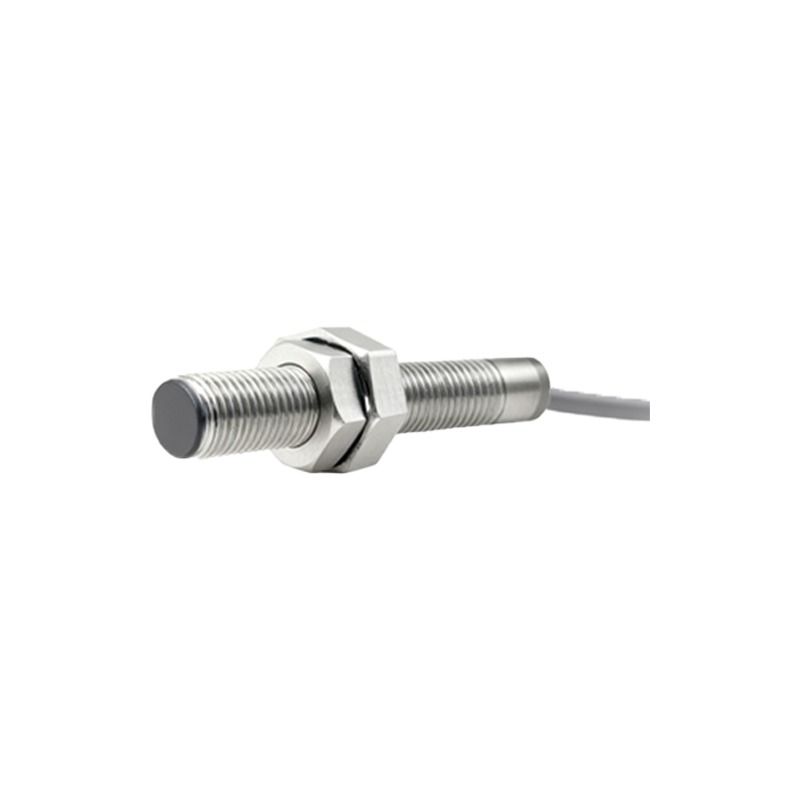
A key trend is the integration of multiple sensing modalities. Sensor fusion, combining data from capacitive, IR, and radar sensors, enhances accuracy and reduces false triggers. This is particularly important in complex scenarios like human-robot collaboration, where safety requires flawless detection. Furthermore, the miniaturization of components, driven by Micro-Electro-Mechanical Systems (MEMS) technology, has enabled the development of compact, low-power sensors suitable for wearable devices and IoT endpoints.
The proliferation of the Internet of Things (IoT) and smart infrastructure is a major growth driver. Proximity sensors are fundamental to creating responsive environments in smart buildings, retail spaces, and cities. For instance, they enable energy-saving systems that adjust lighting and HVAC based on occupancy, or interactive displays in stores that engage customers. In industrial settings, these sensors are integral to Industry 4.0 initiatives, facilitating predictive maintenance, asset tracking, and worker safety monitoring through proximity warning systems.
Another significant development is the improvement in sensor intelligence. Modern proximity sensors often incorporate embedded microprocessors and machine learning algorithms. This allows for edge computing, where the sensor itself can classify targets (e.g., distinguishing between a human and an object), track trajectories, and adapt to environmental changes without constant communication with a central server. This intelligence reduces latency and bandwidth requirements, enhancing system responsiveness and privacy.
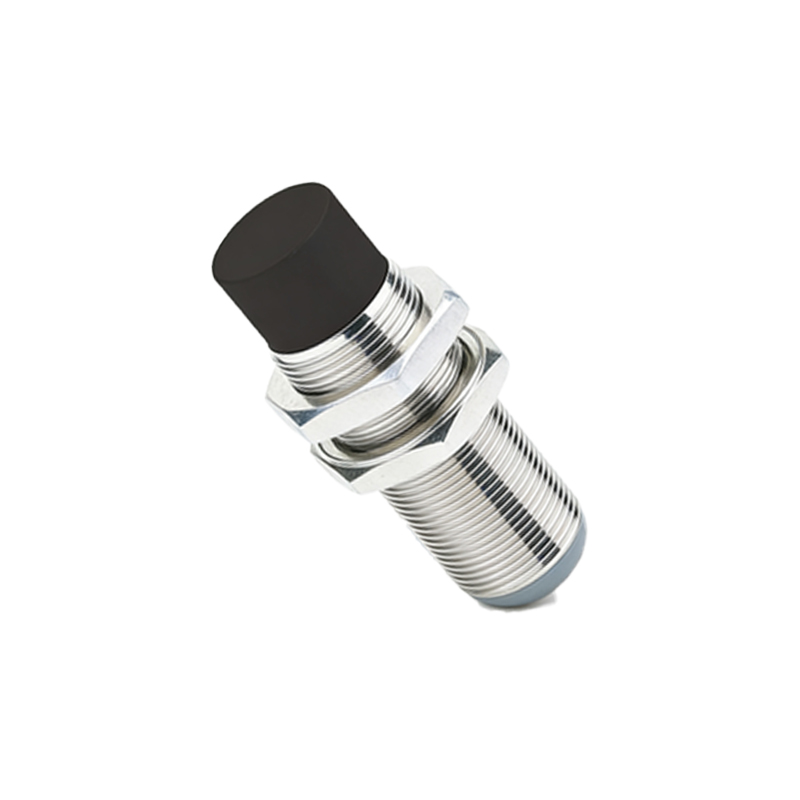
The automotive sector continues to be a high-value market. Advanced Driver-Assistance Systems (ADAS) and the path toward autonomous vehicles rely heavily on a suite of sensors, including proximity detectors for blind-spot monitoring, automatic door opening, and in-cabin occupant sensing. Radar-based interior monitoring systems can detect if a child or pet is left unattended, preventing heatstroke incidents.
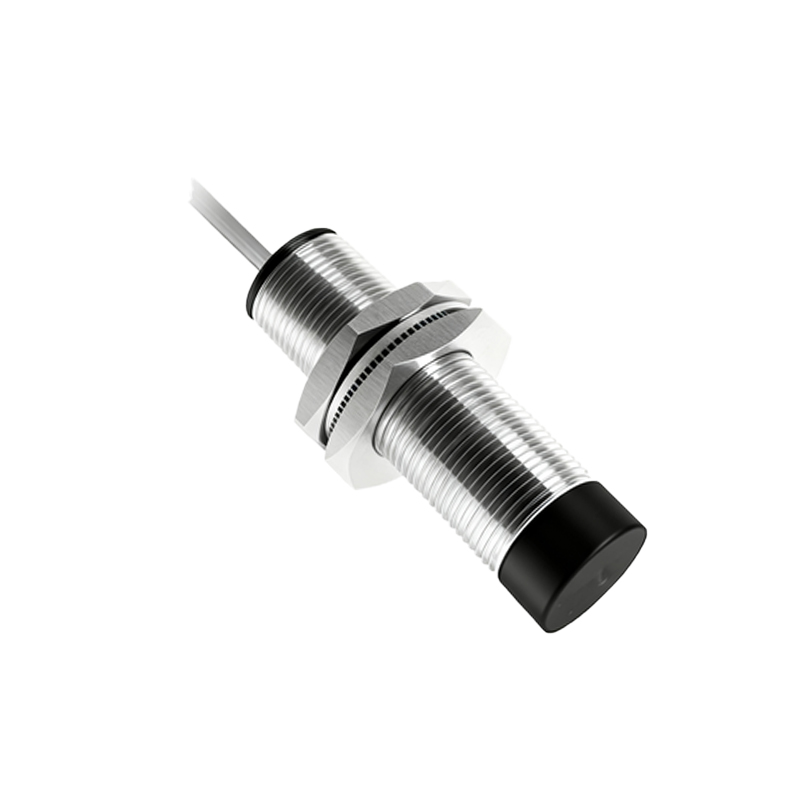
Despite the progress, challenges persist. Cost sensitivity remains a barrier for widespread adoption of advanced technologies like mmWave radar in consumer applications. Environmental interference, such as from sunlight affecting IR sensors or acoustic noise impacting ultrasonics, requires sophisticated signal processing to mitigate. Privacy concerns are also mounting, especially for sensors capable of detailed monitoring or data collection in private spaces. Manufacturers and regulators are increasingly focused on developing ethical guidelines and ensuring data security.
Looking ahead, the future of human proximity sensing lies in higher integration, contextual awareness, and seamless human-machine interaction. Research is ongoing into new materials and principles, such as graphene-based sensors for enhanced sensitivity. The convergence with artificial intelligence will enable more predictive and adaptive systems. As 5G networks and edge computing infrastructure mature, the real-time data from vast sensor networks will unlock new applications in public safety, personalized healthcare, and immersive entertainment.
In conclusion, the field of human proximity sensors is dynamic and multifaceted. Driven by technological innovation and diverse application demands, these sensors are becoming more accurate, intelligent, and interconnected. They are transitioning from simple binary detection tools to sophisticated perceptual systems that form a crucial layer of our increasingly automated and interactive world.