In the world of industrial automation and machinery, proximity sensors are the unsung heroes. These critical components detect the presence or absence of an object without physical contact, enabling precise control, safety, and efficiency in countless applications. From assembly lines and packaging machines to automotive manufacturing and robotics, the right sensor is paramount. However, with a global market flooded with options, the question of "which proximity sensor manufacturer is best?" is not a simple one. The answer depends entirely on your specific project requirements, operational environment, and budget constraints. This guide will walk you through the key factors to consider, helping you make an informed decision beyond just brand names.
First and foremost, define your application's core requirements. What type of object are you detecting? Is it metallic or non-metallic? For ferrous metals (like iron and steel), inductive proximity sensors are the standard choice. For detecting any material, including plastics, wood, and liquids, capacitive sensors are required. For precise position detection of coded labels or high-speed counting, photoelectric sensors might be the optimal solution. Understanding the nature of your target object narrows down the sensor technology, which in turn points you toward manufacturers that specialize in that domain. Some brands have built their reputation on rugged inductive sensors for heavy industry, while others excel in high-precision, miniature sensors for electronics assembly.
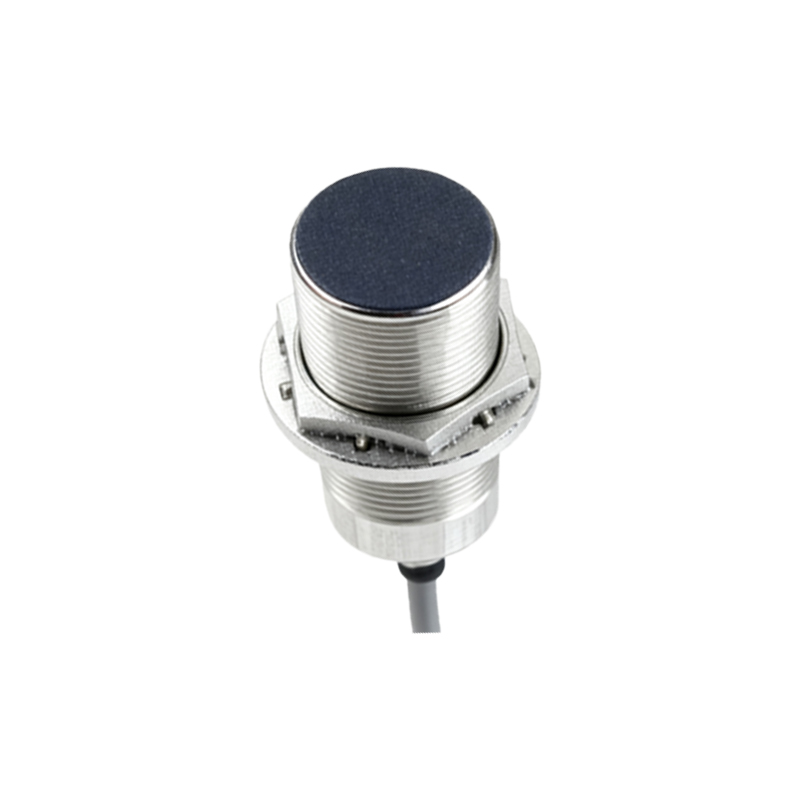
Performance specifications are the next critical filter. Key parameters include sensing distance, switching frequency, output type (PNP/NPN, analog, IO-Link), and environmental ratings. A sensor for a fast-paced bottling line needs a high switching frequency and resistance to washdowns (IP67/IP69K). A sensor in a welding cell must withstand extreme temperatures and electromagnetic interference. Reputable manufacturers provide detailed, reliable datasheets. Consistency and accuracy in these specifications are where top-tier companies separate themselves. Look for manufacturers that offer a wide range within a product family, allowing you to select the exact model without over-specifying or compromising.
Durability and build quality are non-negotiable for industrial components. The sensor's housing material—typically nickel-plated brass, stainless steel, or PBT plastic—must withstand the physical and chemical challenges of its environment. Corrosive atmospheres, mechanical vibration, and impact are common threats. Leading manufacturers invest heavily in materials science and rigorous testing (like shock and vibration tests per IEC standards). They design sensors that not only work on day one but continue to operate reliably for years, minimizing downtime and maintenance costs. A lower initial price is meaningless if the sensor fails prematurely, causing costly production halts.
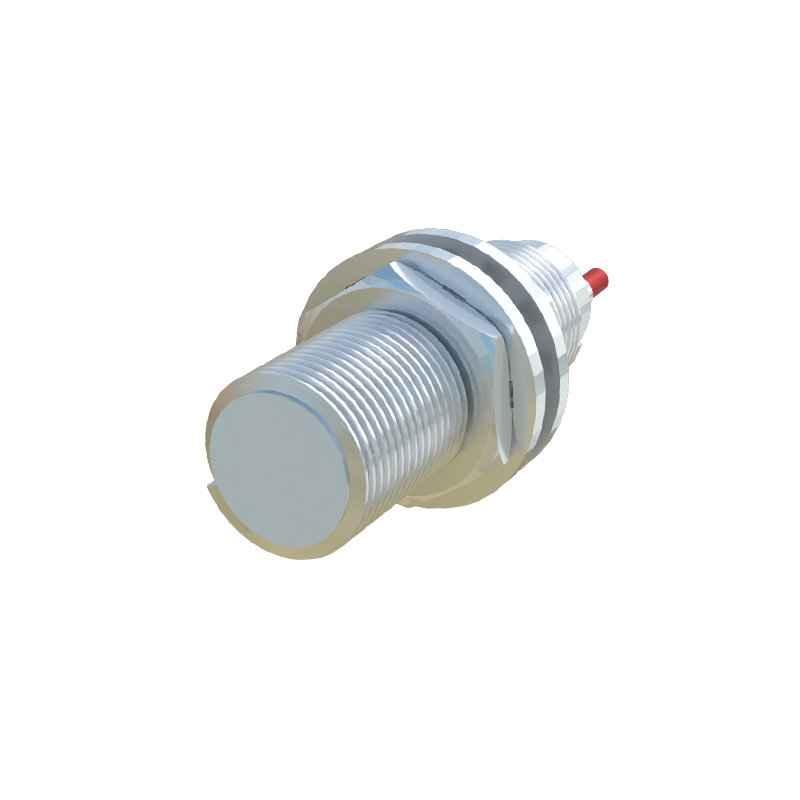
Beyond the physical product, consider the manufacturer's technical support, global availability, and ease of integration. Can you easily access detailed documentation, CAD models, and configuration software? Is local technical support available to troubleshoot complex issues? For large-scale or multinational operations, a manufacturer with a robust global distribution and supply chain is essential to ensure part availability and consistent quality worldwide. Furthermore, the trend toward Industry 4.0 makes digital features like IO-Link communication increasingly important. Manufacturers that offer smart sensors with advanced diagnostics and parameterization capabilities provide greater long-term value by enabling predictive maintenance and data integration.
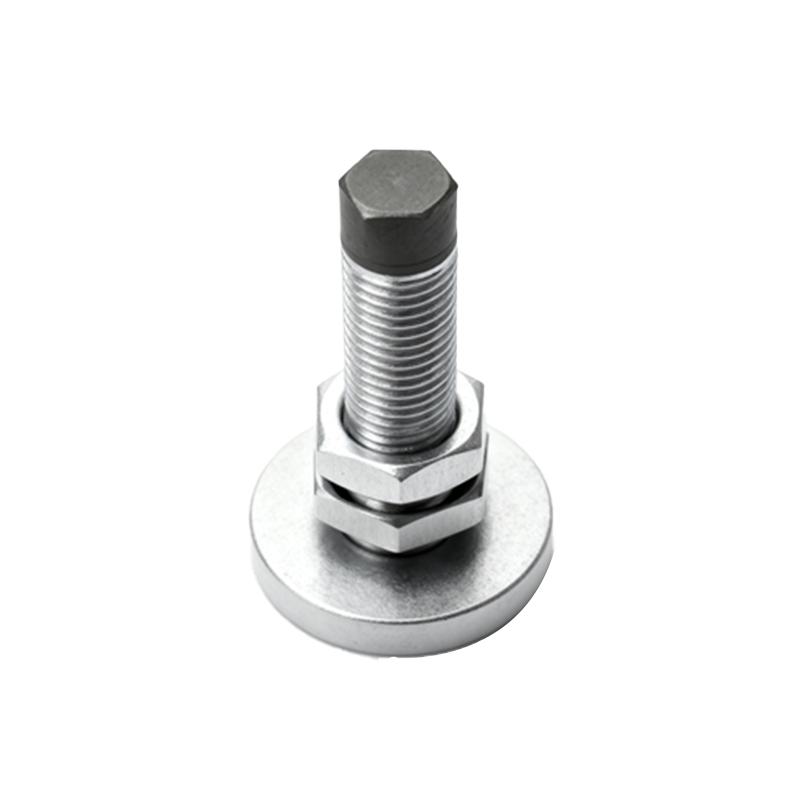
While specific brand recommendations are highly situational, the market leaders consistently recognized for quality, innovation, and reliability include companies like Sick, Balluff, Pepperl+Fuchs, Omron, and ifm electronic. Sick is renowned for its innovative laser and photoelectric sensors. Balluff and Pepperl+Fuchs are powerhouses in inductive sensing and ruggedized designs for harsh environments. Omron offers an exceptionally broad portfolio with strengths in miniaturization and factory automation. ifm electronic is highly regarded for its user-friendly design, diagnostic capabilities, and strong IO-Link integration. However, excellent value and performance can also be found from other established players like Turck, Keyence (for high-precision applications), and Schneider Electric.
Ultimately, the "best" manufacturer is the one whose product perfectly matches your technical needs, offers proven reliability for your operating conditions, and is backed by accessible support. Start with a clear specification sheet for your application. Request samples from two or three shortlisted manufacturers to test in your actual environment. Evaluate not just the sensor's performance but also the supplier's responsiveness and expertise. Investing time in this selection process ensures you choose a proximity sensor that delivers optimal performance, longevity, and value, making your automation system more robust and efficient.