Metal proximity sensors are indispensable components in modern industrial automation and safety systems. These non-contact electronic devices detect the presence or absence of metallic objects within a defined sensing range without any physical contact. Operating on various principles, they provide reliable, high-speed detection crucial for manufacturing, packaging, robotics, and automotive assembly lines.
The most common operating principle is the inductive method. An inductive proximity sensor generates an oscillating electromagnetic field from its coil and oscillator circuit. When a metallic object enters this field, eddy currents are induced on the metal's surface. This causes a load on the oscillator, leading to a change in the oscillation amplitude. The sensor's detection circuit monitors this change and triggers a solid-state output switch. These sensors excel at detecting ferrous metals like iron and steel but can also sense non-ferrous metals such as aluminum, copper, and brass, albeit with a reduced sensing range. Key performance specifications include sensing distance, which is standardized as the nominal operating distance (Sn), repeatability, hysteresis, and switching frequency. Housing materials, typically nickel-plated brass, stainless steel, or PBT plastic, are chosen for durability in harsh environments involving coolants, oils, or metal chips.
Another significant type is the capacitive proximity sensor. While primarily used for non-metallic materials, they can detect metals by sensing changes in capacitance. All objects have a dielectric constant; metals have a very high one. When a metal object approaches the sensor's active surface, it alters the capacitance of the sensor's internal circuit, triggering detection. These are useful in applications requiring detection of both metallic and non-metallic targets.
For specialized long-range detection or specific metal types, sensors based on magnetic, ultrasonic, or photoelectric principles are employed. Magnetic proximity sensors, or reed switches, detect permanent magnets and are used in simple position detection. Ultrasonic sensors use sound waves and can detect various materials, including metals, over longer distances. Photoelectric sensors, using light beams, are common but can be specifically tuned or used with retro-reflective targets for metal detection in clean environments.
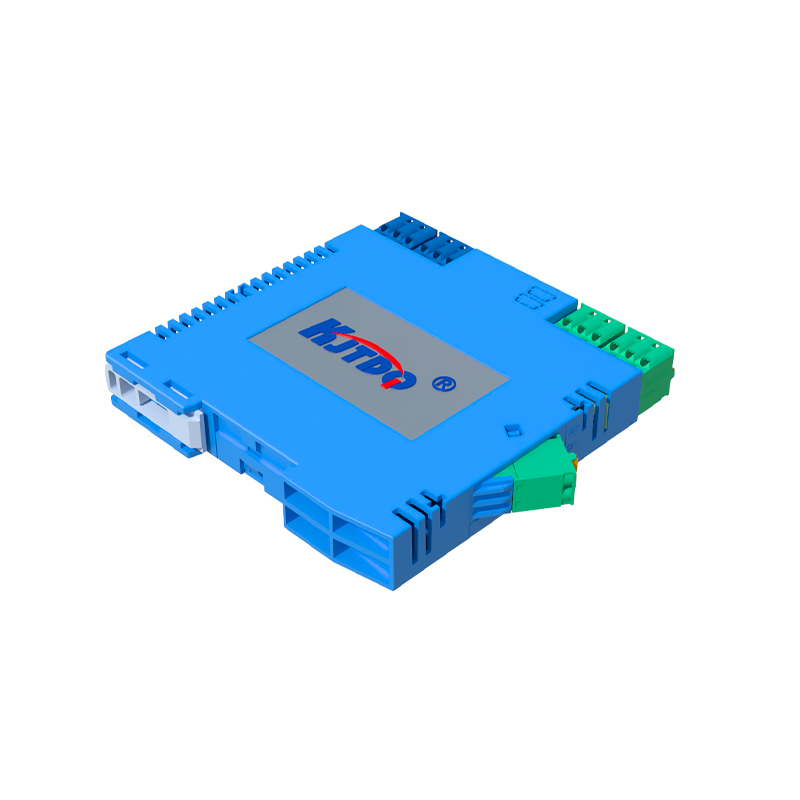
The applications are vast. In automated machinery, they provide precise position feedback for robotic arms, confirm part presence in fixtures, and count metal components on conveyors. In the automotive industry, they verify the placement of engine blocks, monitor robotic weld guns, and ensure safety in press brakes. They are fundamental in material handling for palletizing, sorting, and inventory management. Safety systems use them as interlock switches on guards and doors to prevent machine operation when access is open. Their non-contact nature ensures no wear and tear on the sensor or target, leading to minimal maintenance and long service life compared to mechanical limit switches.
Selecting the right metal proximity sensor requires careful consideration of several factors. First, identify the target metal type and size. Ferrous metals offer the longest detection range with inductive sensors. For non-ferrous metals, ensure the sensor is rated for it, as the sensing distance may be significantly less—often detailed in manufacturer reduction factor (Kr) charts. The required sensing distance must account for installation tolerances and should typically be 20-30% less than the nominal rating for reliability. Environmental conditions are critical; sensors are rated with Ingress Protection (IP) codes for dust and water resistance. Models with IP67 or IP69K ratings withstand washdowns in food processing. Temperature ranges, resistance to chemicals, and electromagnetic interference (EMI) in the installation area must also be evaluated.
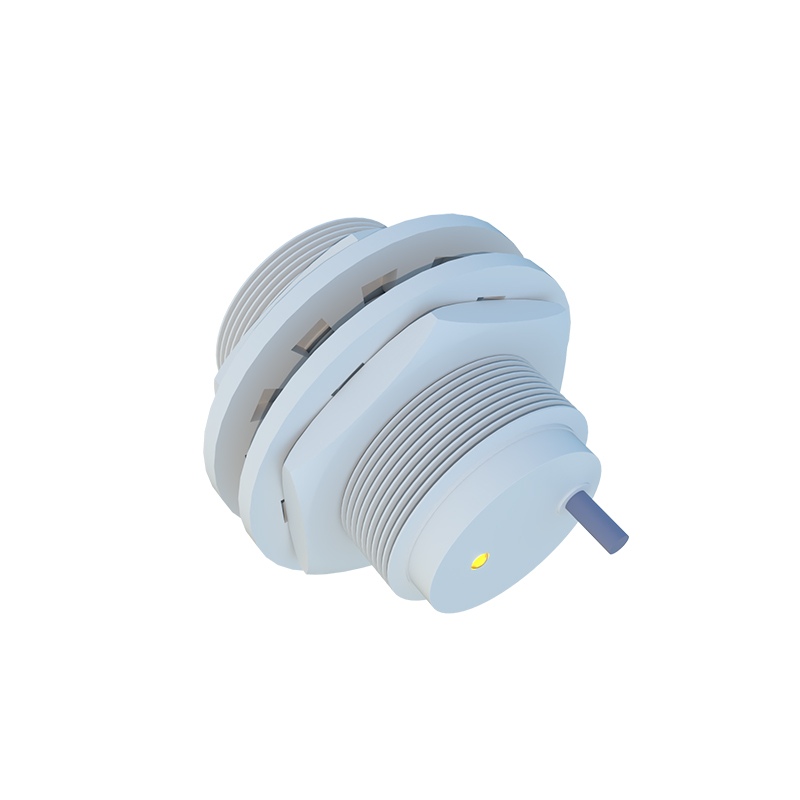
Output configuration is another key choice. Two-wire DC sensors are simple to wire but have a small residual current when off. Three-wire DC sensors (PNP or NPN) are the most common, providing a clear voltage output. Four-wire sensors combine both normally open and normally closed contacts. The output type—relay or solid-state (transistor)—affects switching speed and load compatibility. Fast-cycling applications demand high-frequency transistor outputs. Finally, physical form factors like cylindrical barrels (e.g., M8, M12, M18, M30 threaded housings), rectangular blocks, or ring-shaped sensors must suit the mounting space and mechanical requirements.
Installation and wiring practices greatly impact performance. Maintaining the proper clearance around the sensor's sensing face is essential to prevent false triggers from the mounting bracket or nearby metal (side-metal and flush-mounting considerations). Using shielded cables in electrically noisy environments and ensuring correct polarity for DC sensors prevents damage. Regular testing with the actual target material under real operating conditions validates the setup.
In summary, metal proximity sensors are robust, versatile tools that enhance efficiency, precision, and safety. Understanding their operating principles, key specifications, and application demands enables engineers and technicians to implement effective and reliable detection solutions across countless industries, from high-speed bottling lines to heavy-duty metal stamping presses.