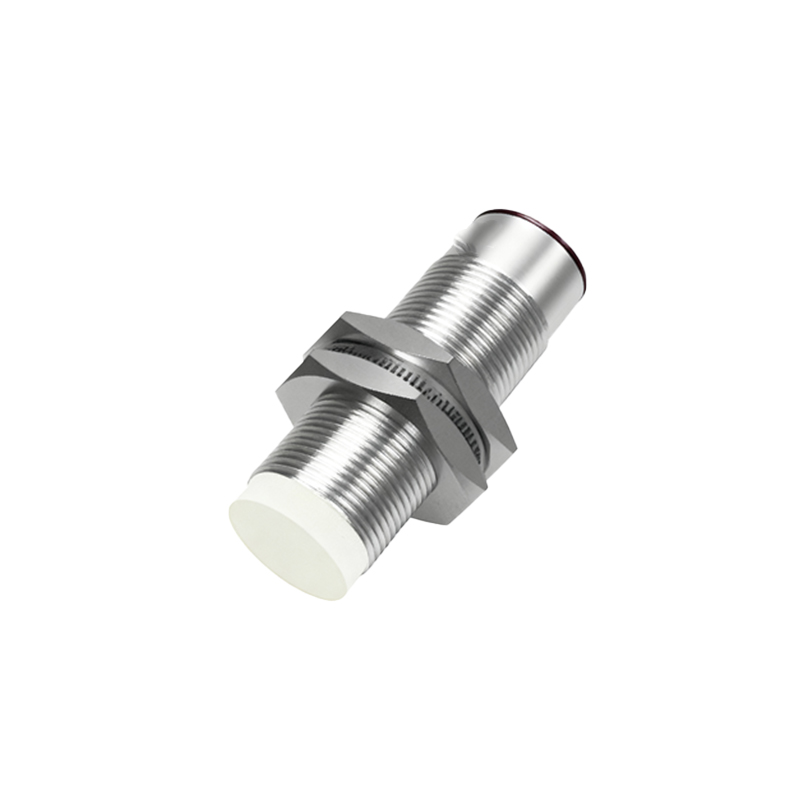
In the realm of automation and smart technology, the optical proximity sensor stands as a pivotal component, enabling devices to perceive and interact with their surroundings without physical contact. This sophisticated technology has become integral to countless applications, from consumer electronics to industrial robotics, by providing reliable, non-contact detection of objects.
At its core, an optical proximity sensor operates on a simple yet effective principle. It typically consists of an infrared light-emitting diode (IR LED) and a photodetector, such as a phototransistor or photodiode. The IR LED emits a beam of infrared light, which is invisible to the human eye. When an object enters the sensor's detection field, it reflects a portion of this emitted light back towards the sensor. The photodetector then captures this reflected light and converts it into an electrical signal. The sensor's internal circuitry analyzes the intensity of this reflected signal. A significant increase in intensity indicates the presence of an object within a predefined range. The key to its functionality is that it measures the "proximity" or closeness of an object based on the amount of reflected light, rather than simply detecting its presence or absence.
This method offers distinct advantages over other sensing technologies like ultrasonic or capacitive sensors. Optical sensors provide faster response times and higher precision for detecting small objects or specific materials. They are less susceptible to environmental factors like air currents or humidity that can affect ultrasonic sensors, and they do not require the target object to be conductive, which is a limitation for capacitive sensors. Modern optical proximity sensors often incorporate advanced features such as ambient light rejection. This is crucial for reliable operation in varying lighting conditions, as the sensor can distinguish between its own modulated IR signal and background ambient light (from the sun or room lights), preventing false triggers.
The applications of optical proximity sensors are vast and continually expanding. In the consumer electronics sector, they are ubiquitous. A primary example is the automatic screen turn-off feature in smartphones and tablets. When a user brings the device close to their ear during a call, the sensor detects the proximity of the head and signals the system to deactivate the touchscreen display. This prevents accidental touch inputs and conserves battery power. Similarly, these sensors are used in laptops to detect when the lid is closed, triggering sleep mode.
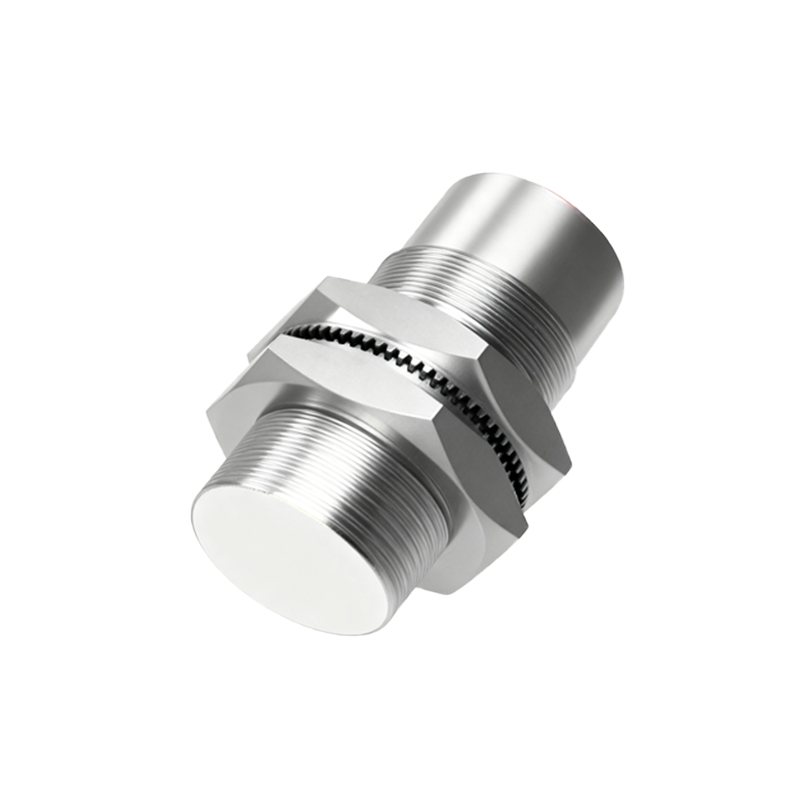
Beyond personal devices, their role in industrial automation is critical. They are deployed on assembly lines for precise object counting, jam detection in conveyor systems, and verifying the presence of components. Their non-contact nature makes them ideal for handling delicate items or operating in sterile environments. In robotics, optical proximity sensors act as simple collision avoidance systems, allowing robots to sense obstacles and navigate safely. The automotive industry integrates them into vehicles for functions like automatic trunk opening (when a foot gesture is detected underneath the bumper) and in-cabin systems to monitor driver presence or passenger occupancy for advanced airbag deployment logic.
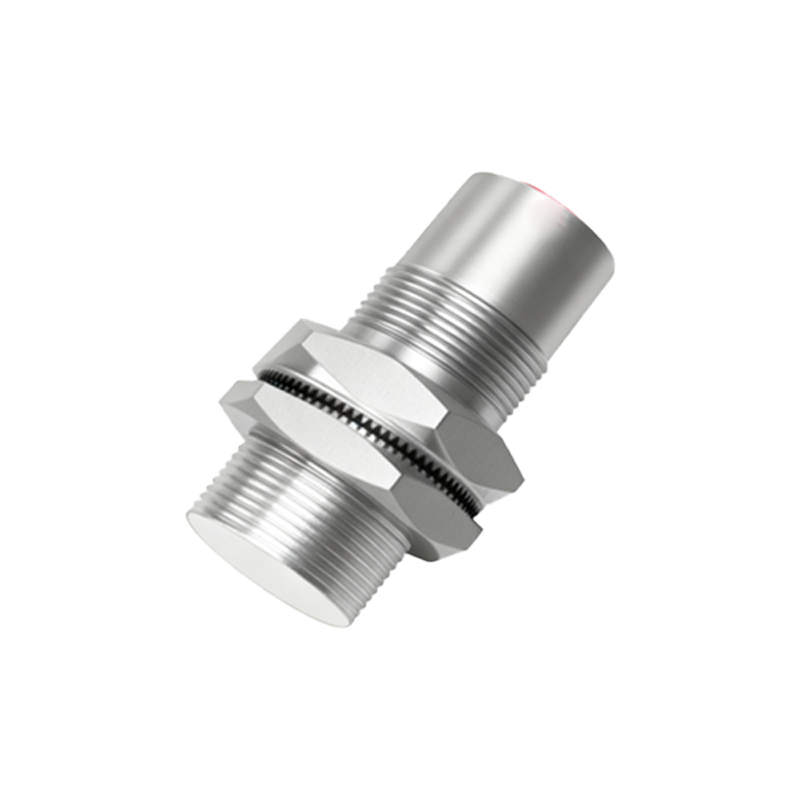
Looking toward the future, the evolution of optical proximity sensing is intertwined with the growth of the Internet of Things (IoT) and smart infrastructure. We are moving towards sensors with even smaller form factors, lower power consumption for battery-operated IoT devices, and enhanced intelligence. The integration of time-of-flight (ToF) technology is a significant trend. While traditional reflective sensors measure light intensity, ToF sensors measure the time it takes for a light pulse to travel to an object and back. This allows for precise distance measurement, not just proximity detection, opening doors for applications in gesture recognition, 3D mapping, and advanced robotics.
Furthermore, the fusion of sensor data with artificial intelligence and machine learning algorithms is creating "smarter" sensing systems. An optical proximity sensor's output can be part of a broader sensor fusion array, contributing to context-aware decisions in smart homes, healthcare monitoring devices, and interactive public displays. Challenges remain, such as ensuring consistent performance with highly reflective or absorbent (dark) surfaces, but ongoing material science and signal processing innovations continue to improve robustness.
In conclusion, the optical proximity sensor is a fundamental enabling technology of the digital age. Its ability to provide efficient, accurate, and contactless detection has cemented its place across diverse fields. From the smartphone in your pocket to the automated factory floor, these silent sentinels work continuously, bridging the gap between the physical and digital worlds. As technology advances, their capabilities will only deepen, driving further innovation in how machines perceive and respond to their environment.