In the world of industrial automation, robotics, and smart systems, precise and reliable distance measurement is paramount. Laser proximity sensors have emerged as a cornerstone technology for achieving this, offering unparalleled accuracy and versatility. Unlike traditional mechanical or ultrasonic sensors, these devices utilize focused light to detect the presence, absence, or position of an object without physical contact.
The fundamental principle behind a laser proximity sensor is triangulation or time-of-flight measurement. In the common triangulation method, the sensor projects a concentrated laser beam onto a target. The reflected light is then focused onto a position-sensitive detector, such as a CCD or PSD array. The position of the light spot on this detector shifts depending on the distance to the target. By calculating this shift, the sensor's internal processor can determine the exact distance with high precision. Time-of-flight sensors, on the other hand, measure the minute time delay between emitting a laser pulse and receiving its reflection, calculating distance based on the constant speed of light. This method is often used for longer ranges.
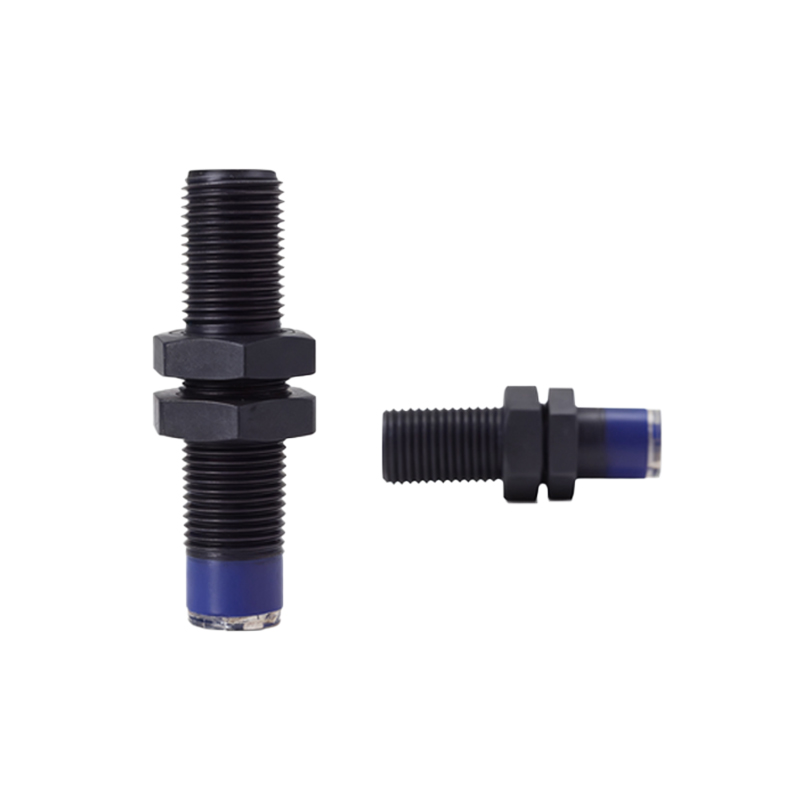
The advantages of using laser proximity sensors are significant. They provide extremely high resolution, often down to the micrometer level, making them ideal for precision tasks. Their response time is exceptionally fast, enabling use in high-speed production lines. The focused laser beam allows for precise detection of small objects or specific features and is less susceptible to interference from ambient light or background noise compared to some optical sensors. Furthermore, they can measure a wide variety of materials, including shiny, dark, or transparent surfaces, though specific models may be optimized for different surface properties.
Applications for laser proximity sensors span countless industries. In manufacturing, they are used for precise positioning of robotic arms, controlling assembly tolerances, and inspecting product dimensions. In the automotive sector, they guide autonomous vehicles, assist in parking systems, and monitor assembly line components. Within electronics, they ensure the precise placement of microchips on circuit boards. They are also vital in logistics for warehouse automation, palletizing, and level detection in silos. Even in consumer electronics, they enable features like automatic screen dimming based on user proximity.
Selecting the right laser proximity sensor requires careful consideration of several key parameters. The measuring range is the first criterion; sensors are available from short-range (a few millimeters) to long-range (several hundred meters). Accuracy and repeatability define how close the measurement is to the true value and how consistently it can be achieved, respectively. The spot size of the laser beam determines the minimum detectable object size and measurement precision on edges. Response time is critical for dynamic applications. Environmental factors such as ambient temperature, potential exposure to dust or moisture (requiring specific IP ratings), and target characteristics like color, material, and surface finish must all be evaluated. Finally, the output signal type—analog (4-20mA, 0-10V), digital (PNP/NPN), or serial communication (IO-Link, RS-485)—must be compatible with the control system.
Installation and maintenance are straightforward but crucial for optimal performance. The sensor should be mounted securely to minimize vibration. Ensuring the laser beam is perpendicular to the target surface provides the most accurate reading. Regular cleaning of the lens is necessary to prevent dust buildup from attenuating the signal. Users should also be aware of laser safety classifications (typically Class 1 or 2 for industrial sensors, which are eye-safe under normal operating conditions) and follow all manufacturer guidelines.
Looking ahead, the evolution of laser proximity sensors continues. Integration with Industrial Internet of Things (IIoT) platforms allows for predictive maintenance and data analytics. Miniaturization is making them suitable for increasingly compact devices. Advances in laser diode and detector technology are pushing the boundaries of speed, range, and cost-effectiveness. As automation becomes more sophisticated, the demand for the precise, non-contact sensing that laser proximity sensors provide will only grow, solidifying their role as an indispensable tool in modern technology.