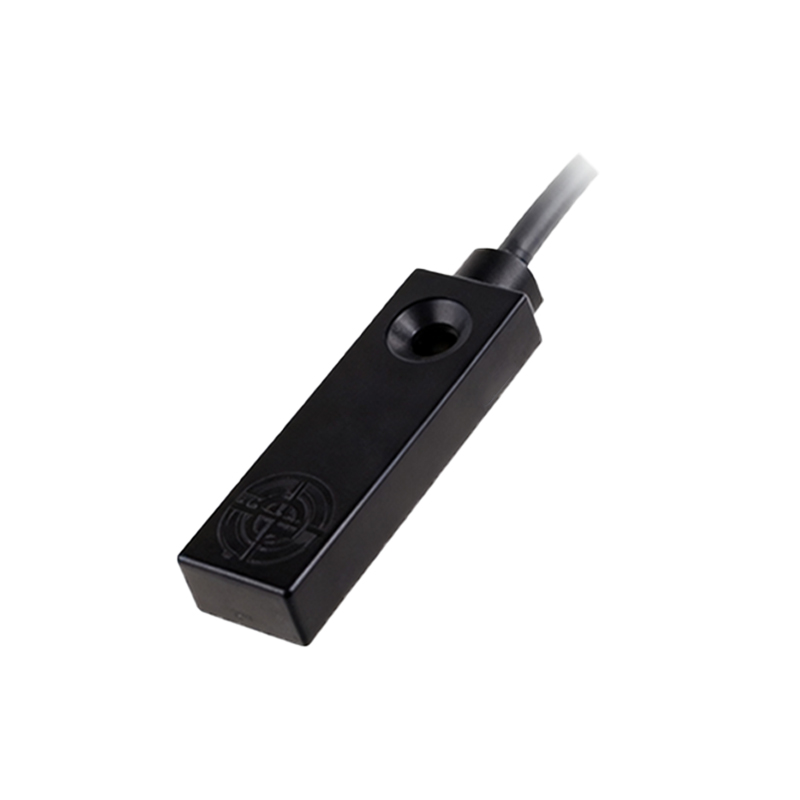
In the world of industrial automation and machine design, space is often at a premium. Components must fit into compact, intricate layouts without compromising functionality or reliability. This is where the right angle proximity sensor, a specialized variant of the standard inductive or capacitive sensor, becomes an indispensable tool. Unlike the common cylindrical barrel-style sensors that extend straight out from their mounting point, right angle models feature a sensing face that is oriented at a 90-degree angle to the body's main axis. This unique form factor allows for installation in tight corners, along machine edges, or in other locations where direct, straight-line sensing is physically impossible or impractical.
The fundamental operating principle remains consistent with standard proximity sensors. Inductive right angle sensors generate an electromagnetic field from the sensing face. When a metallic target enters this field, it causes a change in oscillation, which is detected by the sensor's circuitry, triggering a solid-state output signal. Capacitive versions work similarly but react to the presence of both conductive and non-conductive materials by detecting changes in capacitance. The key differentiator is the housing. The electronic components are packaged in a compact, often rectangular or cubic housing, with the sensing element embedded in the side, effectively "looking" around a corner. This design cleverly redirects the sensing field, solving numerous spatial challenges on the factory floor.
The applications for these sensors are vast and critical. A common use is in robotic work cells, where the sensor can be mounted flush on a bracket to detect the retracted position of a robotic arm or gripper without adding bulk. In material handling, they are perfect for monitoring the edge of a conveyor to detect the presence or absence of a pallet or product, mounted vertically so the sensing field projects horizontally across the belt path. Machine tools utilize them for tool breakage detection or for verifying the closed position of a safety guard door. Their low-profile design also makes them ideal for embedding into machinery frames or molds for part ejection verification in injection molding processes. The ability to sense from the side often eliminates the need for complex brackets or additional mechanical levers, simplifying machine design and reducing potential failure points.
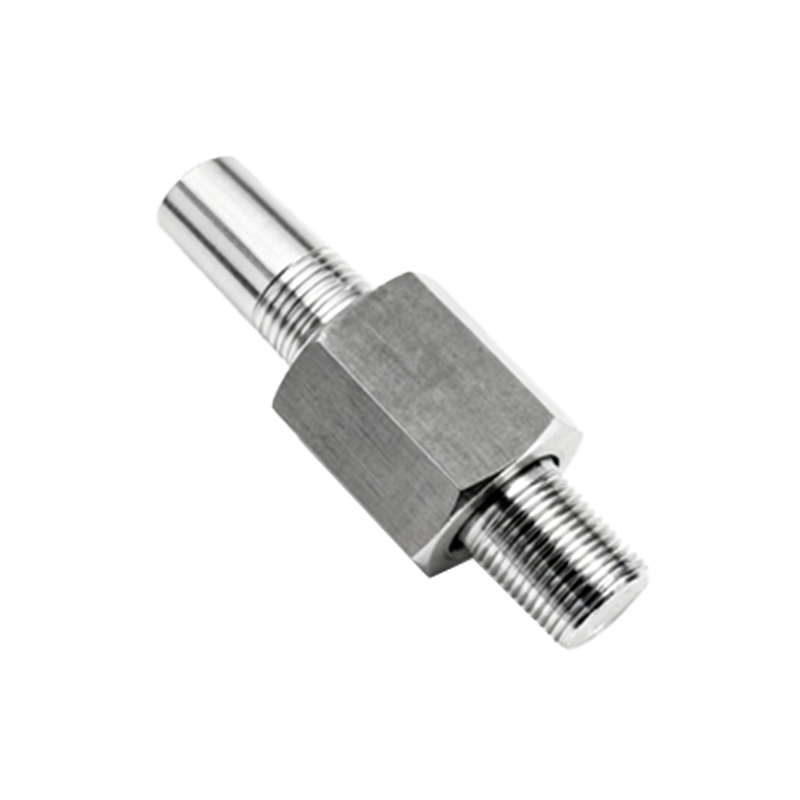
Selecting the right right angle proximity sensor requires careful consideration of several parameters beyond just the form factor. First, determine the sensing technology: inductive for metals or capacitive for a wider range of materials including plastics, wood, and liquids. Next, the sensing range is crucial; it is typically shorter than equivalent barrel sensors due to the internal configuration, so precise measurement of the required detection distance is necessary. The housing material, usually nickel-plated brass, stainless steel, or PBT plastic, must be chosen to withstand the environmental conditions, such as exposure to coolants, oils, or washdowns. Electrical characteristics like operating voltage (commonly 10-30V DC), output type (PNP/NPN, NO/NC), and connection method (pre-wired cable or quick-disconnect) must match the control system's requirements. Many modern models also feature built-in LED status indicators, short-circuit and overload protection, and immunity to electromagnetic interference, enhancing reliability in harsh industrial environments.
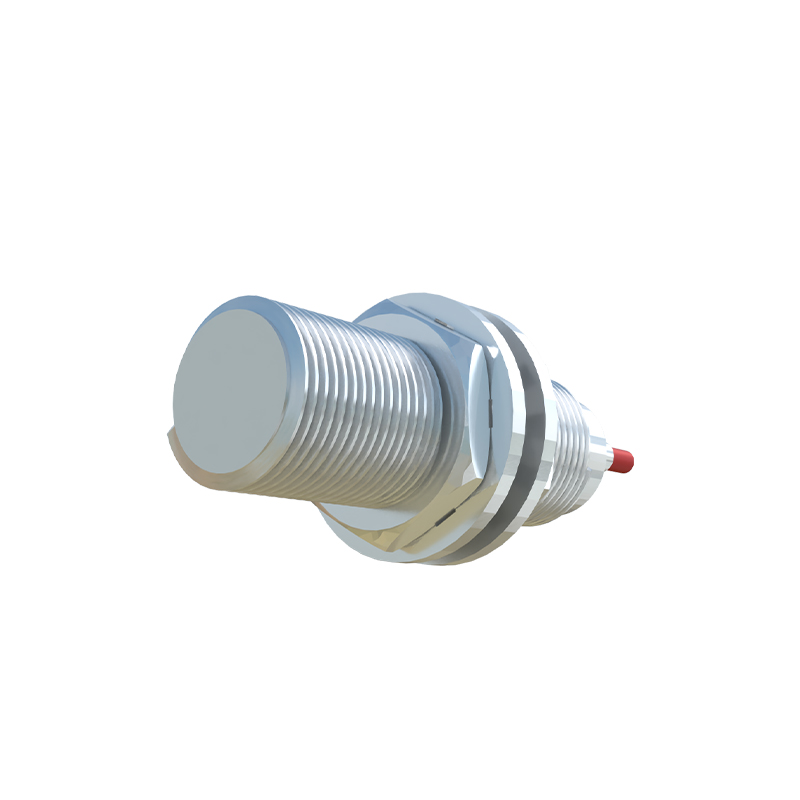
Installation and alignment are straightforward but demand attention. The sensor is typically mounted using provided threads or mounting holes. It is vital to ensure the target approaches the sensing face within the specified range and at a consistent repeatable point. Designers must account for the sensor's "dead zone"—the area immediately adjacent to the housing where detection is not possible—and ensure the target's path clears it. Maintenance is generally minimal, involving periodic cleaning of the sensing face to remove dust, dirt, or oil buildup that could attenuate the sensing field. Their solid-state design, with no moving mechanical parts, contributes to a long operational life and high resistance to vibration.
In conclusion, the right angle proximity sensor is a prime example of how a simple design innovation—bending the sensing path—can solve complex spatial problems in automation. By offering reliable non-contact detection in confined spaces, it enables more compact, efficient, and robust machine designs. For engineers and system integrators, understanding its capabilities and selection criteria is key to leveraging its full potential, ensuring seamless integration and optimal performance in countless applications where every millimeter counts.