Proximity switch sensor circuit boards are fundamental components in modern industrial control systems, enabling non-contact detection of metallic and non-metallic objects. These boards integrate sensing elements, signal conditioning circuits, and output drivers to provide reliable operation in harsh environments. The core of a typical inductive proximity sensor circuit includes an oscillator coil, which generates a high-frequency electromagnetic field. When a metallic target enters this field, eddy currents are induced, causing a change in oscillation amplitude. This change is detected by a threshold circuit, which then triggers the output switching element, usually a transistor or relay driver.
Design considerations for these circuit boards prioritize stability, noise immunity, and longevity. A robust power supply section with filtering is essential to mitigate voltage fluctuations common in industrial settings. Signal conditioning often involves amplification and filtering to distinguish true target signals from environmental electrical noise. Many advanced boards incorporate microcontrollers for programmability, allowing adjustments to sensing range, output delay, and diagnostic functions. Surface-mount technology (SMT) is widely used to enhance board density and reliability while reducing overall size.
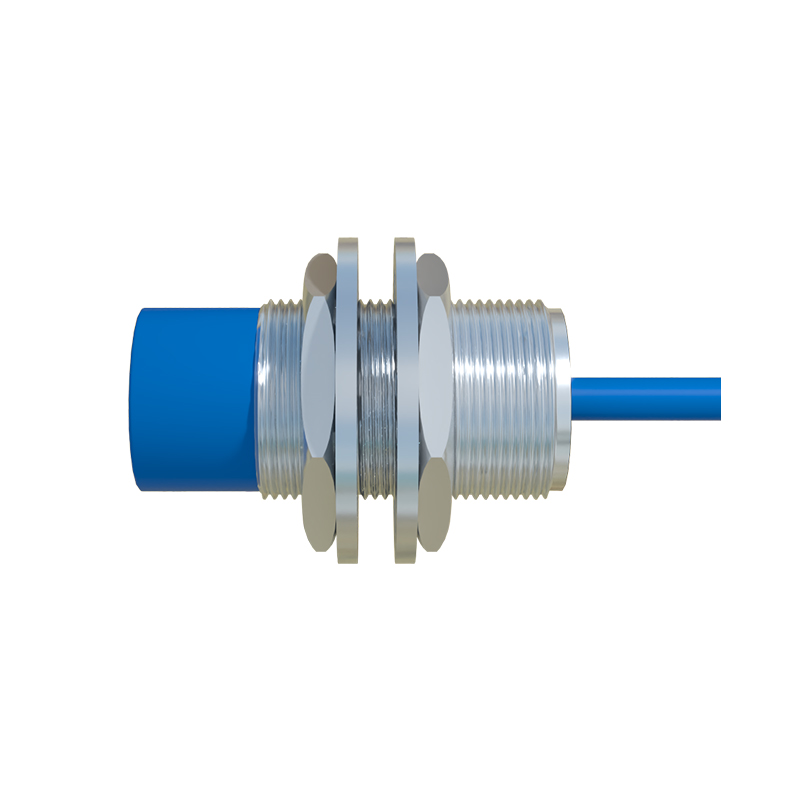
Material selection is critical. The printed circuit board (PCB) typically uses FR-4 material, but applications requiring higher thermal or mechanical stress resistance may employ ceramic or polyimide substrates. Components must be rated for industrial temperature ranges (-25°C to 70°C or wider). Conformal coating is frequently applied to protect against moisture, dust, and chemical contaminants. The sensing face of the board is often potted or shielded to focus the electromagnetic field and provide physical protection.
In application, these sensor boards are deployed across automation sectors. In automotive assembly lines, they detect the presence of parts for robotic welding. In packaging machinery, they count products on conveyors. Their fail-safe operation is vital in safety interlocks for machinery guards. Key performance parameters include sensing distance, repeat accuracy, response frequency, and protection ratings like IP67 for dust and water resistance.
Future trends involve increased integration with Industrial Internet of Things (IIoT) platforms. Smart sensor boards now feature IO-Link communication, enabling real-time parameter adjustment and condition monitoring data transmission to supervisory systems. This facilitates predictive maintenance, reducing downtime. Additionally, miniaturization continues, allowing installation in space-constrained locations without sacrificing sensing performance.
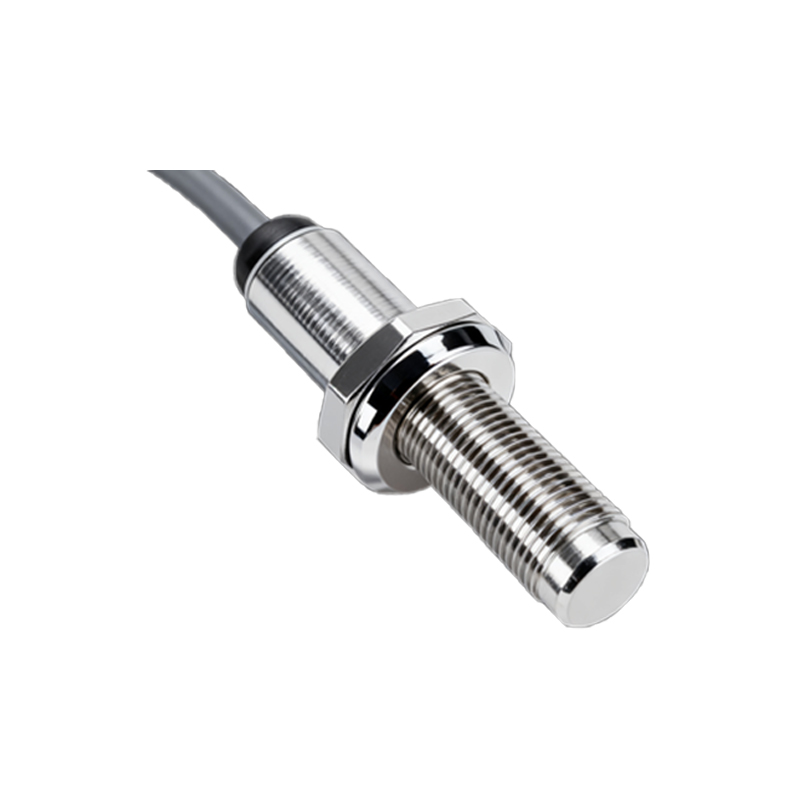
Maintenance and troubleshooting focus on the circuit board's output signals and power integrity. Common issues include false triggering from electrical interference or degraded sensing range due to coil damage. Using an oscilloscope to monitor the oscillator waveform and output signal is a standard diagnostic practice. Regular calibration checks against certified targets ensure long-term measurement consistency.
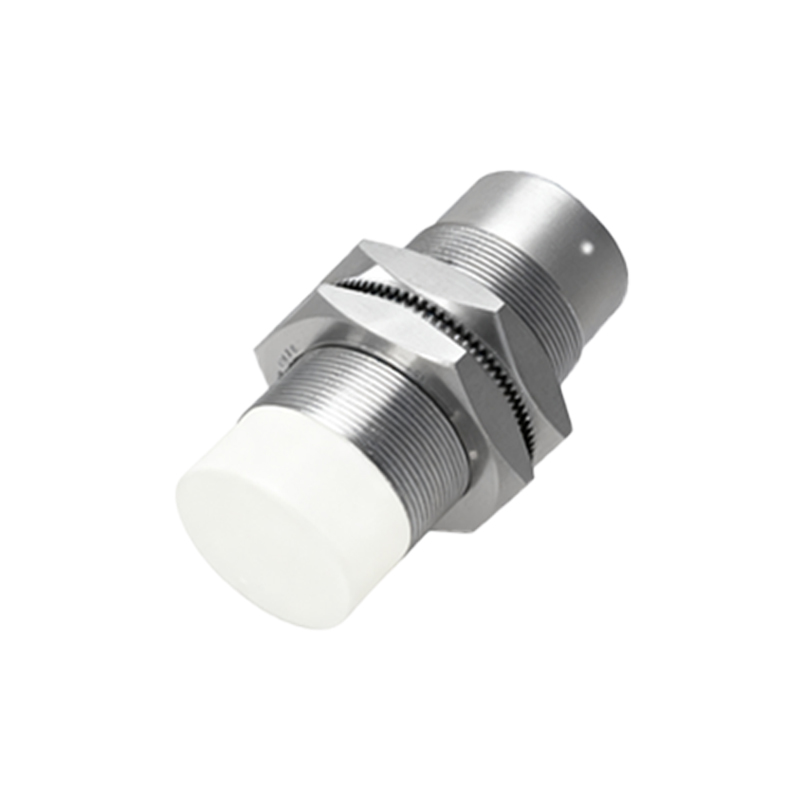
Ultimately, the design and application of proximity switch sensor circuit boards represent a synergy of electromagnetic theory, electronic engineering, and practical industrial needs. Their evolution continues to drive efficiency and intelligence in automated manufacturing processes worldwide.