In industrial automation and machinery, proximity sensors are critical components for detecting the presence or absence of objects without physical contact. However, environments with high dust levels—such as mining, woodworking, or cement production—pose significant challenges to sensor reliability. Dust accumulation can lead to false triggers, reduced sensing range, or complete failure. Understanding how proximity sensors resist dust interference is essential for selecting the right device and ensuring operational continuity.
Proximity sensors operate based on electromagnetic, capacitive, or inductive principles. Inductive sensors, common in metal detection, generate an electromagnetic field. When a metal object enters this field, eddy currents are induced, altering the sensor's oscillation amplitude and triggering detection. Dust, being non-metallic, typically doesn't affect inductive sensors directly. However, conductive dust or heavy buildup can alter the field characteristics, potentially causing malfunctions. To counter this, manufacturers employ sealed housings rated IP67 or higher, which prevent dust ingress. Additionally, sensors with robust coatings or made from materials like PTFE (polytetrafluoroethylene) resist dust adhesion.
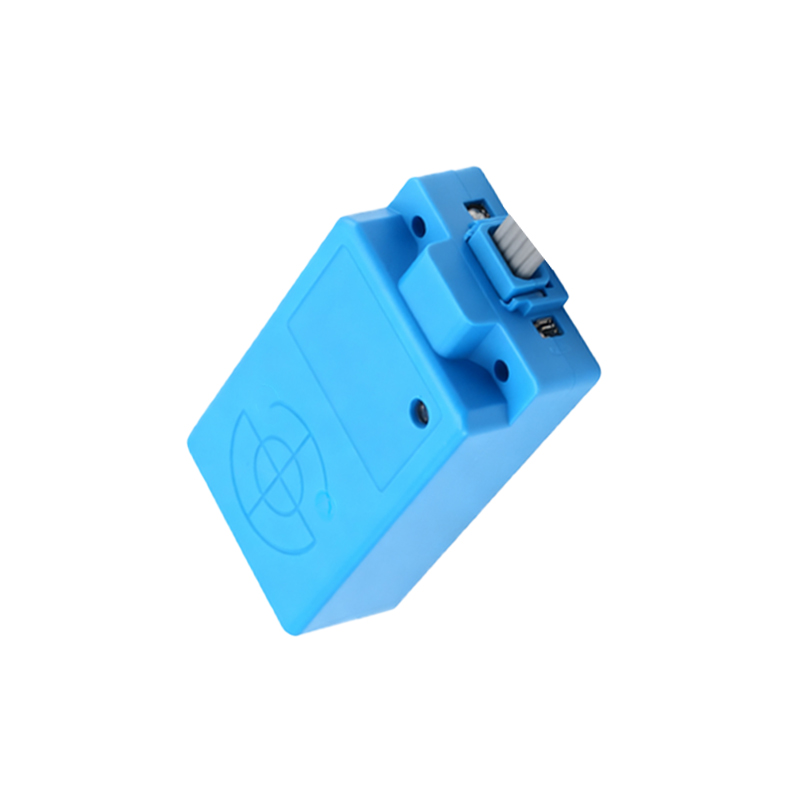
Capacitive sensors detect both metallic and non-metallic objects by measuring changes in capacitance. Dust particles, especially if moist or conductive, can accumulate on the sensor face, altering the capacitance and leading to false readings. Advanced capacitive sensors incorporate self-cleaning mechanisms or use frequency-hopping techniques to distinguish between dust and target objects. For instance, some models emit multiple frequencies and analyze the response pattern, ignoring static dust while detecting dynamic targets.
Optical proximity sensors, which use infrared or laser beams, are highly susceptible to dust. Dust on the lens can scatter or block light, reducing sensitivity. To mitigate this, optical sensors often feature air purging systems that blow compressed air across the lens, keeping it clean. Alternatively, sensors with redundant beams or dual-wavelength technology can differentiate between dust interference and genuine objects. Enclosures with wipers or hydrophobic coatings also help repel dust and moisture.
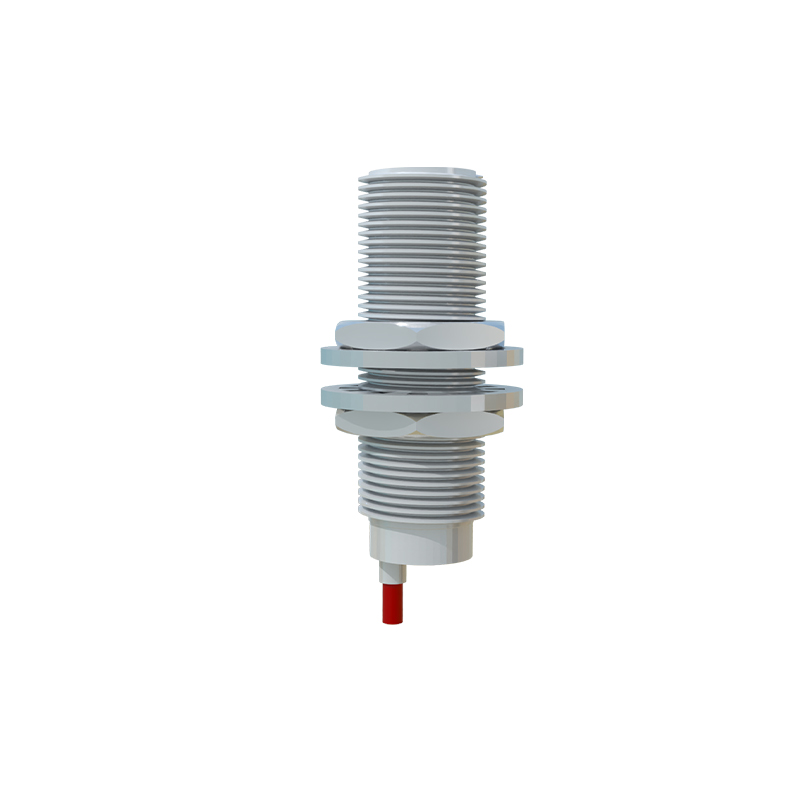
Ultrasonic sensors emit sound waves and measure the echo return time. Dust in the air can attenuate sound waves, but since ultrasonic frequencies are relatively high, they penetrate light dust effectively. Heavy dust layers on the transducer surface, though, can dampen vibrations. Manufacturers address this by using protective meshes or self-vibrating elements that shake off dust. Sensors with temperature compensation further maintain accuracy in dusty, variable environments.
Key design strategies enhance dust resistance. First, hermetic sealing with epoxy or silicone prevents internal contamination. Second, smooth sensor surfaces minimize dust accumulation. Third, adaptive algorithms in smart sensors continuously monitor performance and adjust thresholds to ignore dust-induced noise. For example, sensors with IO-Link communication can report buildup levels, enabling predictive maintenance.
In practice, selecting a dust-resistant proximity sensor involves evaluating the environment. For dry, non-conductive dust, inductive sensors with IP69K ratings suffice. In humid or conductive dust conditions, capacitive sensors with frequency modulation are preferable. Optical sensors suit clean environments or those with air purging. Regular maintenance, such as cleaning with dry air, extends sensor life.
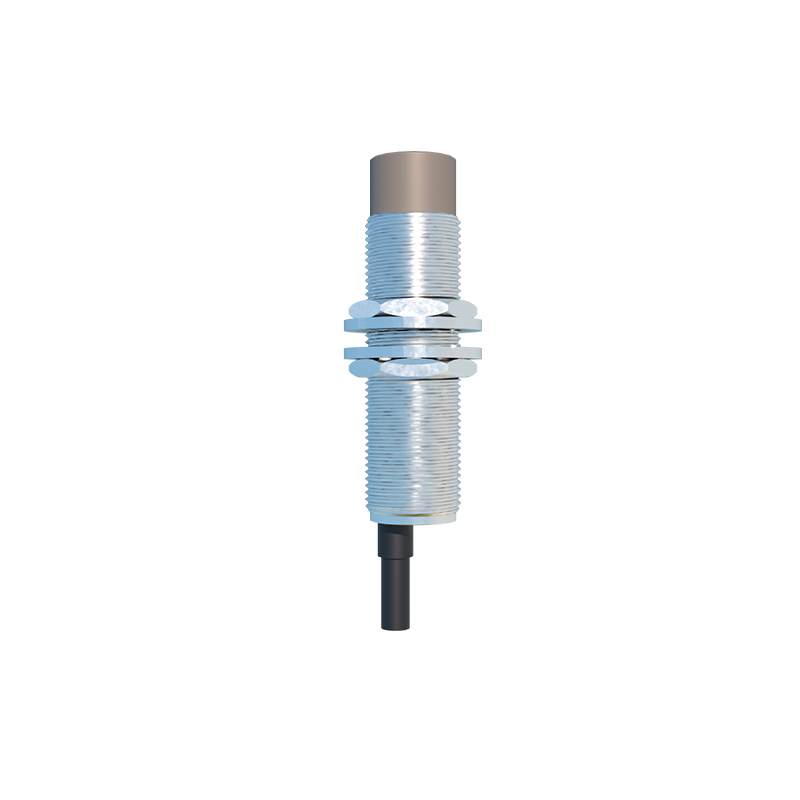
Overall, proximity sensors combat dust through a combination of physical sealing, material science, and intelligent electronics. As industries embrace Industry 4.0, sensors with embedded diagnostics and self-cleaning features will become standard, ensuring reliability even in the harshest dusty settings. By understanding these principles, engineers can optimize sensor performance and reduce downtime in dust-prone applications.