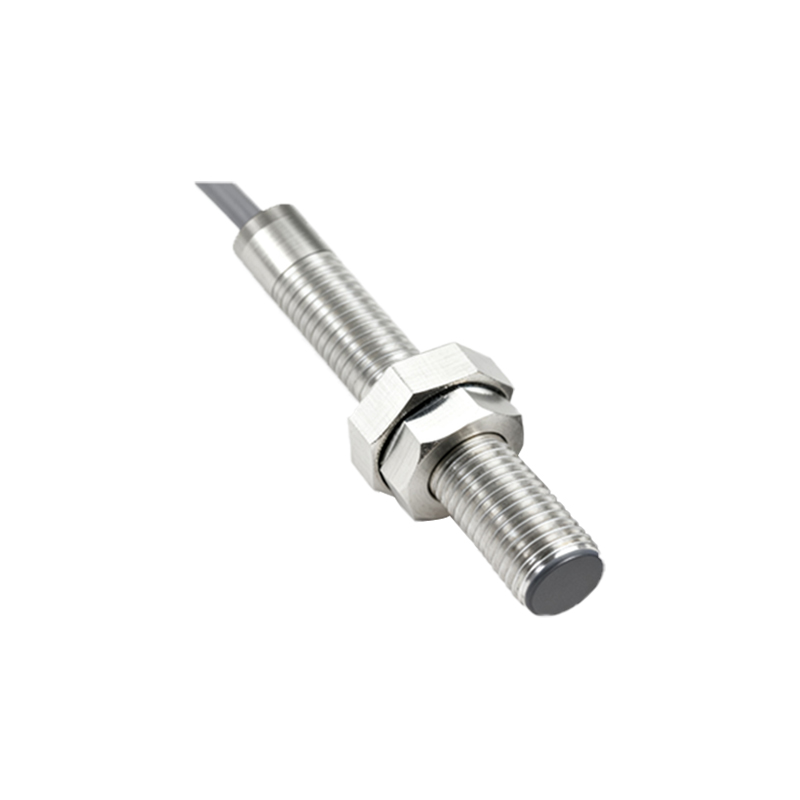
In the rapidly evolving landscape of industrial automation, the selection of a proximity sensor supplier is a critical decision that impacts operational efficiency, system reliability, and long-term cost management. Proximity sensors, as non-contact detection devices, are fundamental components in machinery, robotics, and assembly lines, enabling precise control and safety. Choosing the right branded supplier goes beyond mere product procurement; it involves a strategic partnership that ensures technological support, consistent quality, and supply chain stability.
The first consideration when evaluating a proximity sensor supplier is their technological portfolio and innovation capability. Leading brands invest significantly in research and development to offer sensors with enhanced features such as longer sensing ranges, higher switching frequencies, and robust resistance to environmental factors like dust, moisture, and electromagnetic interference. For instance, suppliers specializing in inductive, capacitive, or ultrasonic sensors should provide clear documentation on performance specifications, including temperature tolerances and housing materials (e.g., stainless steel or PBT plastic). A reputable supplier will not only supply standard products but also offer customization options to meet unique application requirements, such as specific form factors or output signals (PNP/NPN).
Quality assurance and certification are non-negotiable aspects. Top-tier suppliers adhere to international standards like ISO 9001 for quality management and often have products certified by organizations such as UL, CE, or ATEX for hazardous environments. This compliance ensures that the sensors meet rigorous safety and performance benchmarks, reducing the risk of downtime due to sensor failure. It is advisable to review the supplier's manufacturing processes, testing protocols, and warranty policies. A supplier with a transparent quality control system, including batch testing and traceability, demonstrates a commitment to reliability.
Another pivotal factor is the supplier's technical support and after-sales service. The complexity of integrating proximity sensors into existing systems often requires expert guidance. A superior supplier provides comprehensive resources, including detailed datasheets, application notes, configuration software, and access to engineering support. They should assist with installation troubleshooting, calibration, and optimization to maximize sensor lifespan and accuracy. Additionally, evaluate their distribution network and lead times; a supplier with a global logistics framework can ensure timely delivery and reduce inventory bottlenecks, which is crucial for maintaining production schedules.
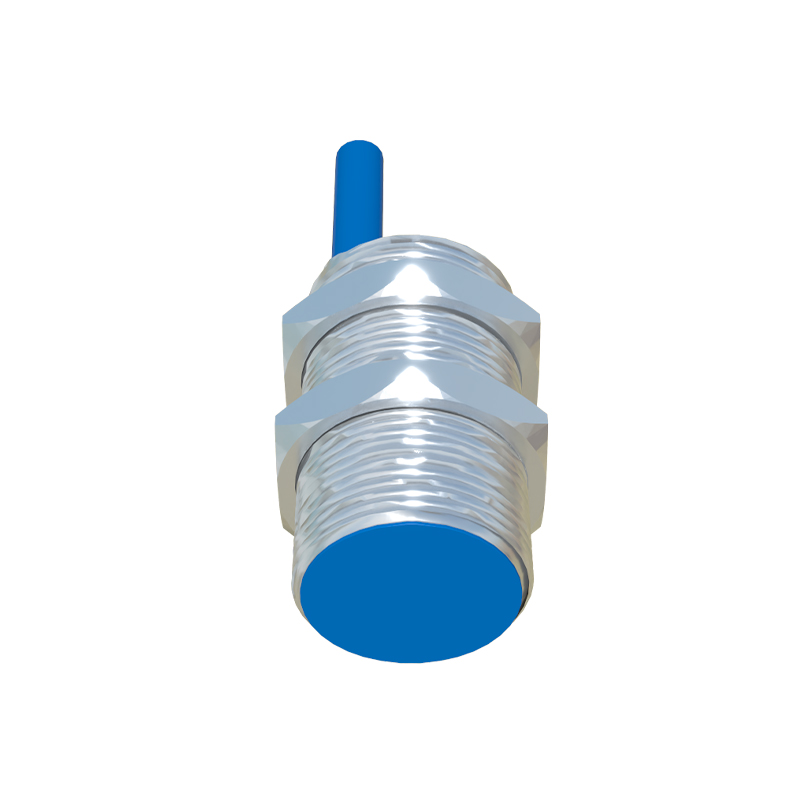
Cost considerations must be balanced with value. While initial pricing is important, focusing solely on the lowest cost can lead to higher total cost of ownership due to frequent replacements or system failures. Analyze the supplier's value proposition, which may include energy-efficient designs that lower power consumption, durable construction that minimizes maintenance, and scalability for future expansion. Some suppliers offer lifecycle management services, helping clients plan for upgrades or replacements proactively. Requesting samples for field testing is a practical step to assess performance in real-world conditions before committing to large orders.

Industry reputation and case studies provide insights into a supplier's real-world performance. Research client testimonials, peer reviews, and industry awards. Suppliers with a proven track record in sectors similar to yours—such as automotive, packaging, or material handling—are likely to understand specific challenges and deliver effective solutions. Participation in trade shows and technical publications can also indicate a supplier's thought leadership and engagement with emerging trends like IIoT (Industrial Internet of Things) integration, which enables smart sensor networks for predictive maintenance.
In conclusion, selecting the right branded proximity sensor supplier demands a holistic approach. Prioritize technological expertise, quality certifications, robust support services, and long-term value over short-term savings. By forging a partnership with a supplier that aligns with your operational goals and industry standards, you can enhance system precision, improve safety, and drive sustainable productivity gains in an increasingly automated world.