In the realm of industrial automation and machinery, proximity sensors are indispensable components, acting as the silent sentinels that detect the presence or absence of objects without physical contact. Selecting the appropriate proximity sensor is a critical engineering decision that directly impacts system reliability, efficiency, and cost. This guide provides a structured approach to proximity sensor selection, focusing on key technical parameters and application-specific considerations.
The first and most fundamental step is to define the sensing object. What material are you trying to detect? This determines the sensor technology. For detecting ferrous metals (like iron and steel), an inductive proximity sensor is the standard and most cost-effective choice. It operates by generating an electromagnetic field; when a metal object enters this field, it causes a change in oscillation, which the sensor detects. For non-ferrous metals, plastics, wood, liquids, and virtually any material, a capacitive proximity sensor is required. It detects objects by sensing changes in capacitance caused by the presence of any material that alters the dielectric constant of its sensing field. For precise position detection of any opaque object, regardless of material, photoelectric sensors (through-beam, retro-reflective, or diffuse) are ideal. Finally, for detecting magnetic fields directly, such as from a permanent magnet, a magnetic (reed or Hall effect) proximity sensor is used.
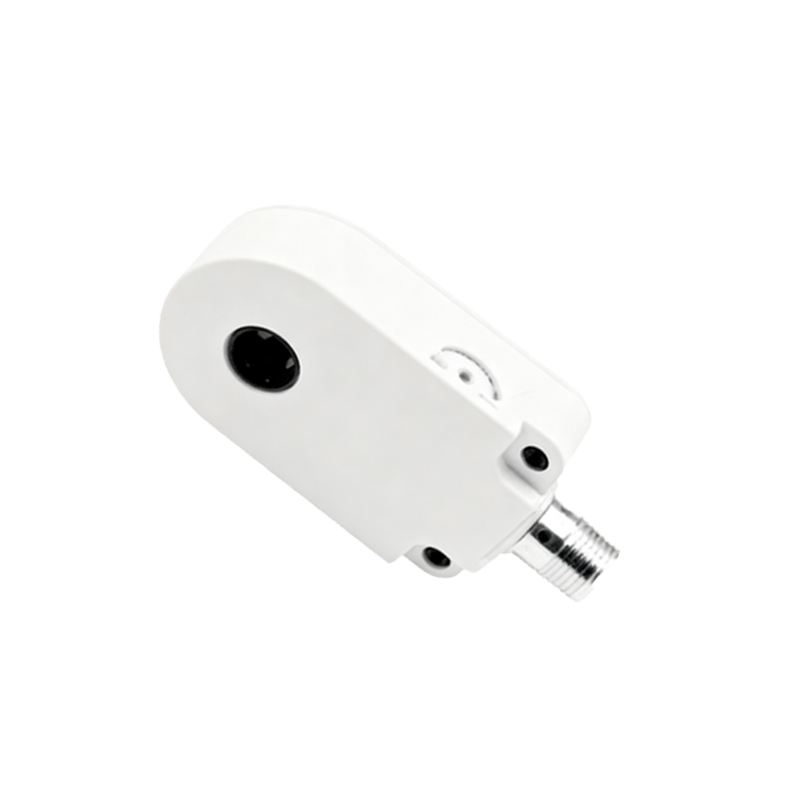
Next, consider the required sensing distance, or nominal sensing range (Sn). This is the rated operating distance under standardized conditions. It is crucial to select a sensor with a range that accommodates the physical installation constraints and the expected position of the target. Always derate the nominal range for non-standard conditions (e.g., non-ferrous metals for inductive sensors) and account for temperature variations, which can affect performance. A common rule is to utilize 50-80% of the nominal range to ensure stable operation and avoid false triggers.
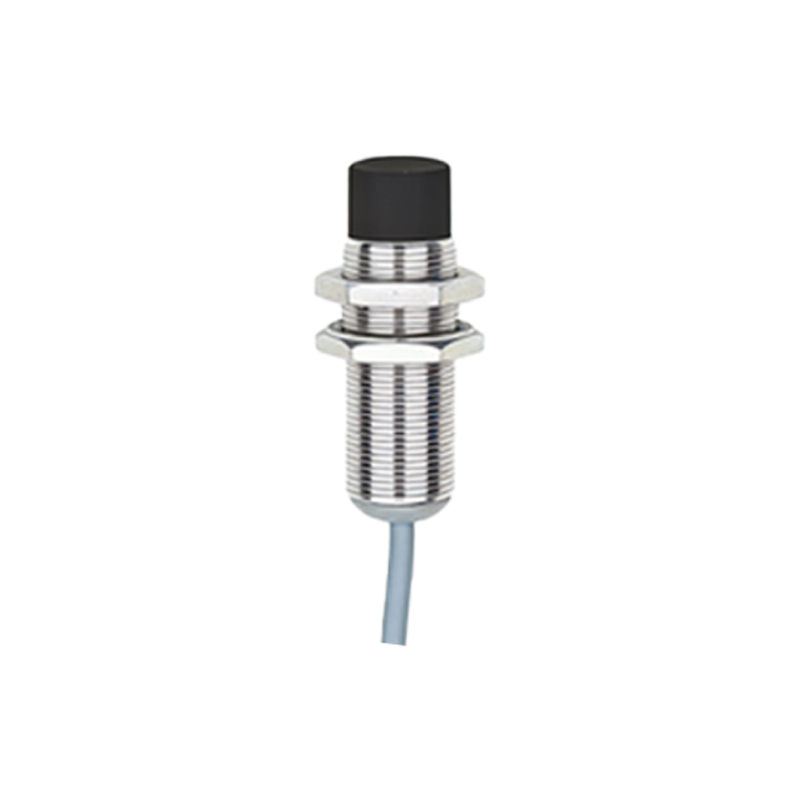
The physical characteristics of the sensor are dictated by the installation environment. Size and housing style are primary concerns. Cylindrical sensors (e.g., M8, M12, M18, M30 threaded barrels) are common for easy mounting in drilled holes. Rectangular or block-style sensors offer different mounting options. The housing material, typically nickel-plated brass, stainless steel, or PBT plastic, must be chosen based on environmental factors. For harsh environments with exposure to chemicals, coolants, or washdowns (IP67, IP68, IP69K ratings), stainless steel or high-grade plastic housings are essential. Consider also the sensing face style: shielded (flush-mountable) sensors have a shorter range but can be mounted flush in metal without affecting performance, while unshielded (non-flush) sensors offer longer ranges but require clearance around the sensing face.
Electrical specifications must match the control system. First, determine the output type needed: PNP (sourcing) or NNP (sinking). PNP is more common in Europe and many modern PLCs, providing a positive voltage output when activated. NNP is often found in North America and Japan, sinking current to ground when activated. The output configuration can be normally open (NO) or normally closed (NC). The operating voltage range (e.g., 10-30V DC) must be compatible with your power supply. Don't forget to account for the load current, ensuring it does not exceed the sensor's maximum switching capacity, and consider adding protective circuits like flyback diodes for inductive loads.
Environmental and operational factors are often the difference between success and failure. Ambient temperature limits are critical; high-temperature environments require sensors specifically rated for such conditions. Exposure to strong electromagnetic fields, welding sparks, or intense vibration can interfere with or damage standard sensors, necessitating units with enhanced immunity. For fast-moving objects or high-speed production lines, the sensor's response time (the time it takes to switch output after detecting a target) and switching frequency become critical parameters. A slow sensor might miss objects on a high-speed conveyor.
Finally, integrate all the above with your specific application. Is it for precise position detection, counting, end-of-travel limit sensing, or level control? Will the target be small, requiring a sensor with a precise sensing field? Does the application involve through-hole sensing where the target must pass through the sensor's body? For challenging applications like detecting transparent films or distinguishing between colors, specialized photoelectric or color sensors are necessary.
In conclusion, a methodical selection process—starting with the target material, then evaluating range, size, electrical specs, and environmental rigors—will lead to the optimal sensor choice. Consulting detailed datasheets and engaging with technical support from sensor manufacturers during the design phase can prevent costly downtime and ensure a robust, reliable automation solution. Remember, the cheapest sensor is rarely the most economical when considering total lifecycle cost, which includes installation, maintenance, and potential production losses from failures.