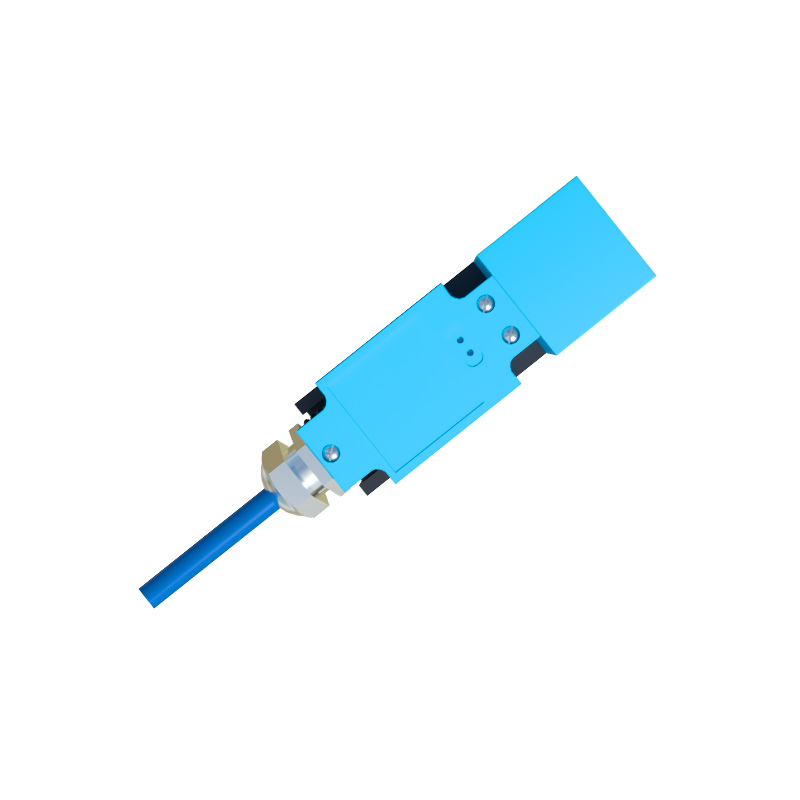
In the realm of industrial automation and machine control, proximity switches stand as fundamental components for non-contact detection. Among the diverse configurations available, the 3-wire 8mm normally open (NO) inductive proximity sensor is a particularly prevalent and versatile choice. This article delves into the operational principles, wiring methodology, key specifications, and typical applications of this sensor type, providing a comprehensive guide for engineers and technicians.
At its core, a 3-wire 8mm NO inductive proximity switch detects the presence of metallic objects without physical contact. The "8mm" denotes the nominal sensing distance, meaning the sensor can reliably detect a standard target (usually mild steel) at a distance of up to 8 millimeters. The "normally open" designation refers to the state of its output switch when no target is within the sensing range. In this condition, the output circuit is open, meaning no current flows through the load. When a valid target enters the detection field, the sensor activates, closing the switch and completing the circuit to power the connected load, such as a PLC input, relay coil, or indicator lamp.
The "3-wire" configuration is crucial for its functionality and integration with standard DC power supplies. These three wires are universally color-coded: brown for the positive supply voltage (+V), blue for the common negative or 0V, and black for the switched output signal. This design incorporates a solid-state switching element, typically a transistor (PNP or NPN), allowing the sensor to actively control the output circuit. For a normally open PNP sensor, the black wire outputs +V to the load when activated. For a normally open NPN sensor, the black wire switches the 0V connection to the load. It is imperative to match the sensor's type (PNP/NPN) with the requirements of the control system to ensure proper operation.
Key electrical and performance specifications define its suitability for various applications. Operating voltage typically ranges from 10-30V DC, offering compatibility with common industrial control voltages. The output current rating, often around 200mA, dictates the maximum load it can drive directly. Response frequency, measured in Hertz, indicates how quickly the sensor can detect objects passing by, a critical factor in high-speed counting or positioning tasks. Additionally, factors like housing material (often nickel-plated brass or stainless steel), ingress protection rating (e.g., IP67 for dust and temporary immersion protection), and temperature range ensure reliability in harsh industrial environments.
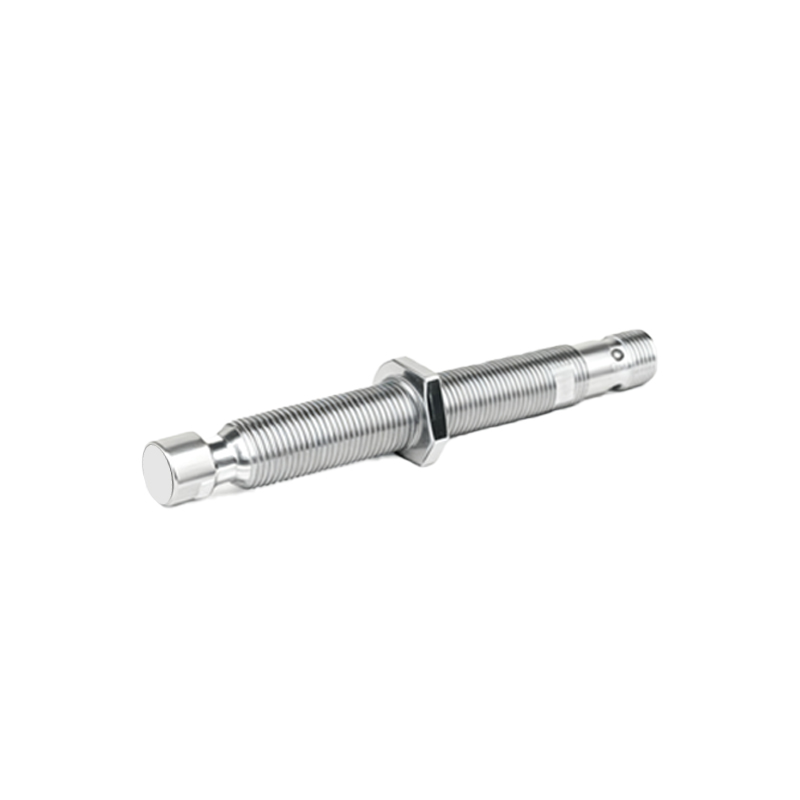
The advantages of the 8mm form factor are significant. Its compact size allows for installation in space-constrained locations. The 8mm sensing distance provides a reliable buffer for detection while minimizing the risk of accidental collision. The 3-wire design offers a simple, robust connection compared to 2-wire variants, which have stricter voltage drop limitations, and provides a clear, low-impedance signal ideal for modern programmable logic controllers.
Application scenarios for these sensors are extensive across manufacturing and processing industries. They are routinely employed for position sensing of machine parts, such as verifying the end-of-travel of a cylinder or the presence of a workpiece on a conveyor. They serve as essential components in rotary encoding for speed monitoring or simple counting operations. In automated assembly lines, they detect the presence or absence of metal components, triggering subsequent actions in the sequence. Their robustness also makes them suitable for use in metalworking, packaging machinery, and material handling systems.
When selecting and installing a 3-wire 8mm NO proximity sensor, several best practices should be observed. First, confirm the required sensing target material and size, as detection distance can vary for metals other than mild steel (e.g., aluminum or copper). Second, ensure the correct PNP (sourcing) or NPN (sinking) type is selected to interface correctly with the controller. During installation, maintain the recommended lateral and axial spacing between multiple sensors to prevent mutual interference. Always refer to the manufacturer's datasheet for precise specifications regarding mounting, sensing curves, and environmental limits.
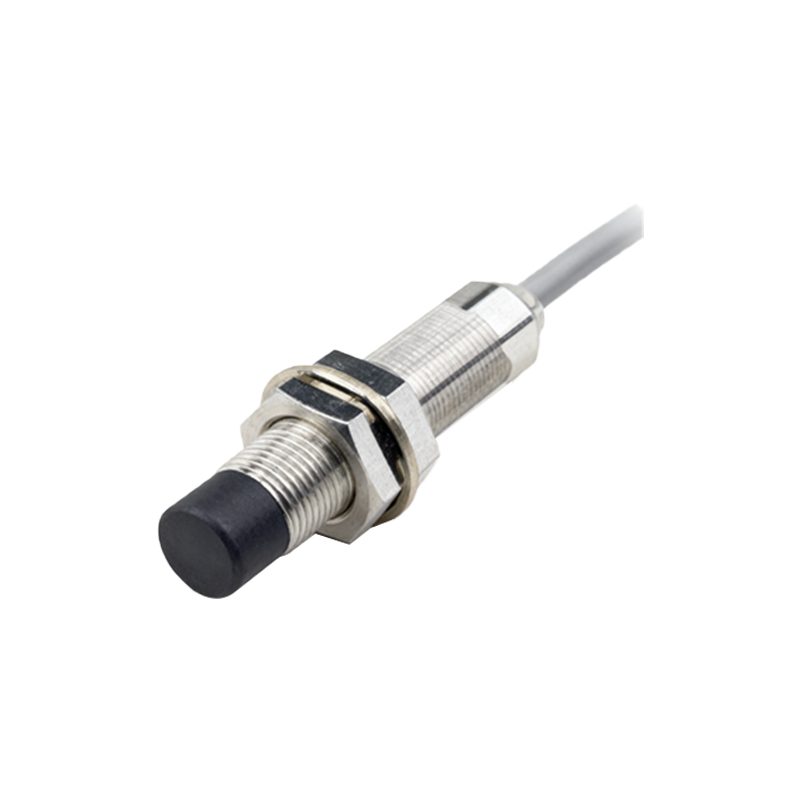
In conclusion, the 3-wire 8mm normally open inductive proximity switch is a cornerstone of industrial sensing. Its reliable non-contact operation, standardized wiring, compact design, and adaptability to demanding conditions make it an indispensable tool for engineers designing and maintaining automated systems. A thorough understanding of its operation and specifications enables optimal selection and deployment, ensuring robust and efficient machine control.