In the realm of industrial automation and machinery, proximity sensors are indispensable components for non-contact detection of metallic and, in some cases, non-metallic objects. Their reliability is paramount for ensuring operational safety, process efficiency, and system longevity. While much attention is given to selecting the correct sensor type (inductive, capacitive, ultrasonic) and its electrical specifications, a critical mechanical aspect often underestimated is the installation torque. Applying the correct tightening torque during sensor mounting is not a mere procedural step; it is a fundamental engineering practice that directly impacts sensor performance, housing integrity, and long-term stability.
The primary purpose of specifying and adhering to a precise installation torque is to ensure a hermetic seal and secure mechanical fixation. Proximity sensors, especially those with IP67, IP68, or IP69K ratings, rely on the compression of sealing elements like O-rings or gaskets between the sensor body and the mounting nut or the threaded hole in the mounting bracket. Insufficient torque fails to compress these seals adequately, leading to potential ingress of coolants, oils, dust, or other contaminants. This compromises the sensor's environmental protection, leading to premature failure. Conversely, excessive torque is equally detrimental. It can over-compress and permanently deform the sealing elements, crack the sensor's polymer housing (common in plastic-bodied sensors), strip the threads (in metal-bodied sensors or the host material), or even cause internal misalignment of the sensing coil and electronics. Such damage often manifests as erratic switching behavior, reduced sensing distance, or complete sensor failure.
Determining the correct torque value is not arbitrary. It is a function of several key variables. First and foremost, consult the manufacturer's datasheet. Reputable manufacturers provide explicit torque specifications, typically in Newton-meters (Nm) or inch-pounds (in-lb). These values are derived from rigorous testing of the sensor's material composition, thread design (e.g., M8, M12, M18, M30), and seal type. The mounting material is another crucial factor. Installing a sensor into a soft material like aluminum requires more caution than into cast iron or steel, as the threads in softer materials are more prone to stripping. Standard torque values for common metric threaded inductive sensors in a steel nut are often in these ranges: M8: 5-10 Nm, M12: 10-20 Nm, M18: 20-40 Nm, M30: 40-80 Nm. However, these are general guidelines; the manufacturer's specification always takes precedence.
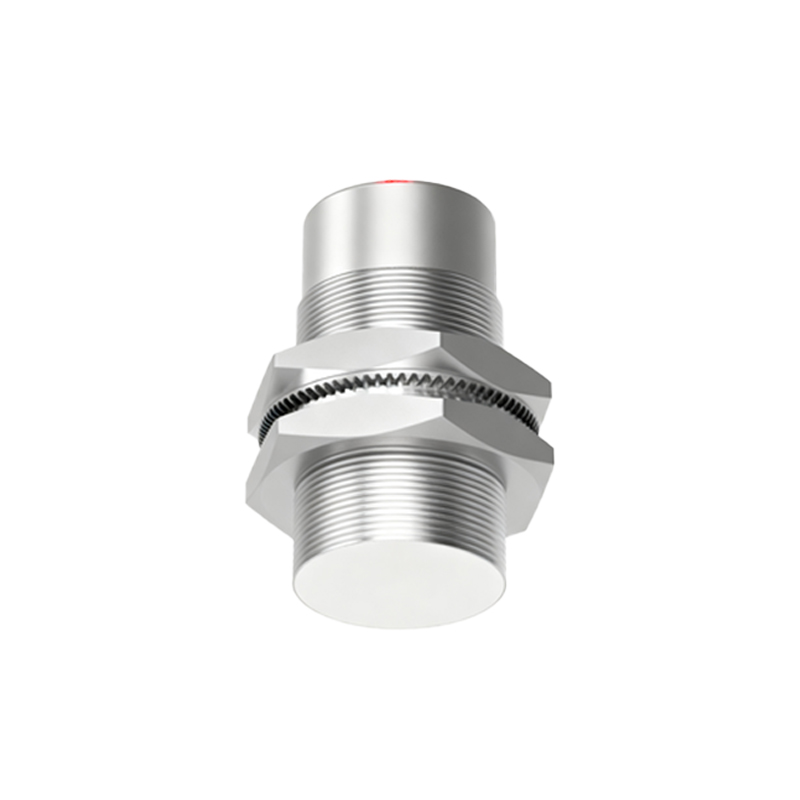
The installation process demands the right tools and technique. A calibrated torque wrench is essential for critical applications. Using an ordinary open-end wrench or adjustable spanner relies on the technician's "feel," which is highly inconsistent and unreliable for achieving specified torque values. The process should be clean: ensure the sensor threads and the host threads are free of dirt, chips, or old sealant. Hand-tighten the sensor first until the sealing surface contacts the mounting bracket, then apply the final torque in a smooth, continuous motion with the torque wrench. Avoid jerky movements or "tightening a little more for good measure." For sensors with a hexagonal body or a separate lock nut, follow the specific tightening sequence if provided. After installation, it is good practice to perform a functional test. Verify the sensor's switching output with a target at its nominal sensing distance to confirm no internal damage occurred during mounting.
In high-vibration environments, such as on presses, stamping machines, or mobile equipment, the secure fixation provided by correct torque is vital to prevent the sensor from loosening over time. A loose sensor can shift position, altering the detection point and potentially causing machine faults or safety incidents. Some applications may benefit from the use of thread-locking adhesives or mechanical lock washers, but their compatibility with the sensor housing material and potential effect on the seal must be evaluated. Never apply thread seal tape (PTFE tape) on the threads of a sensor that uses axial face sealing, as it can interfere with the proper seating of the O-ring.

In conclusion, the installation torque for a proximity sensor is a critical parameter that bridges mechanical integrity with electrical functionality. Neglecting this specification undermines the sensor's designed performance and protection ratings. By treating torque specifications with the same importance as voltage and current ratings, engineers and technicians can significantly enhance system reliability, reduce unscheduled downtime, and ensure the safe, precise operation of automated machinery. Always prioritize manufacturer guidelines, employ proper tools, and integrate torque control into standard installation protocols.