In the industrial automation and harsh environment applications, low temperature proximity sensors have become indispensable components for ensuring operational reliability and safety. These sensors are specifically engineered to maintain accurate detection capabilities in extreme cold conditions, typically ranging from -40°C to as low as -196°C, depending on the technology and construction. The pricing of low temperature proximity sensors is influenced by multiple factors, including sensing technology, materials, performance specifications, and market demand.
The core technologies used in low temperature proximity sensors include inductive, capacitive, and magnetic sensing principles. Inductive sensors, which detect metallic objects, are commonly used in freezing environments such as cold storage warehouses and outdoor winter automation systems. Their prices vary based on sensing range, housing material (stainless steel or specialized polymers), and ingress protection ratings. For instance, a standard inductive sensor rated for -40°C may cost between $50 to $150, while high-performance models with extended temperature limits or enhanced durability can exceed $300.
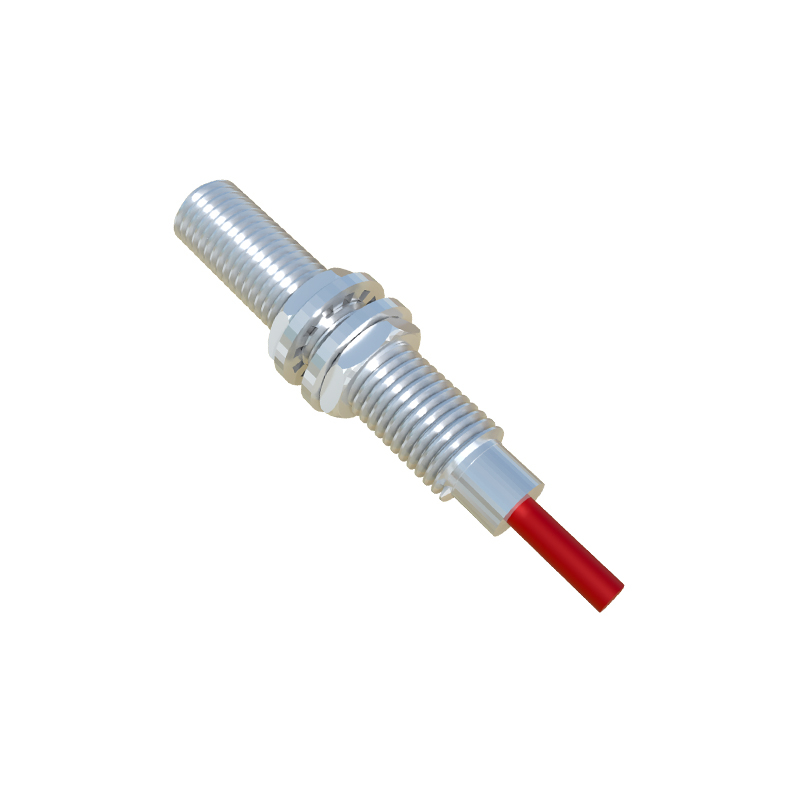
Capacitive sensors, capable of detecting both metallic and non-metallic objects, are often employed in food processing or pharmaceutical industries where low-temperature monitoring is required. These sensors typically incorporate temperature-compensated circuits and specialized coatings to prevent condensation and ice formation. The price range for capacitive low temperature sensors generally falls between $80 and $250, with advanced versions featuring self-diagnostic functions or digital outputs commanding higher prices.
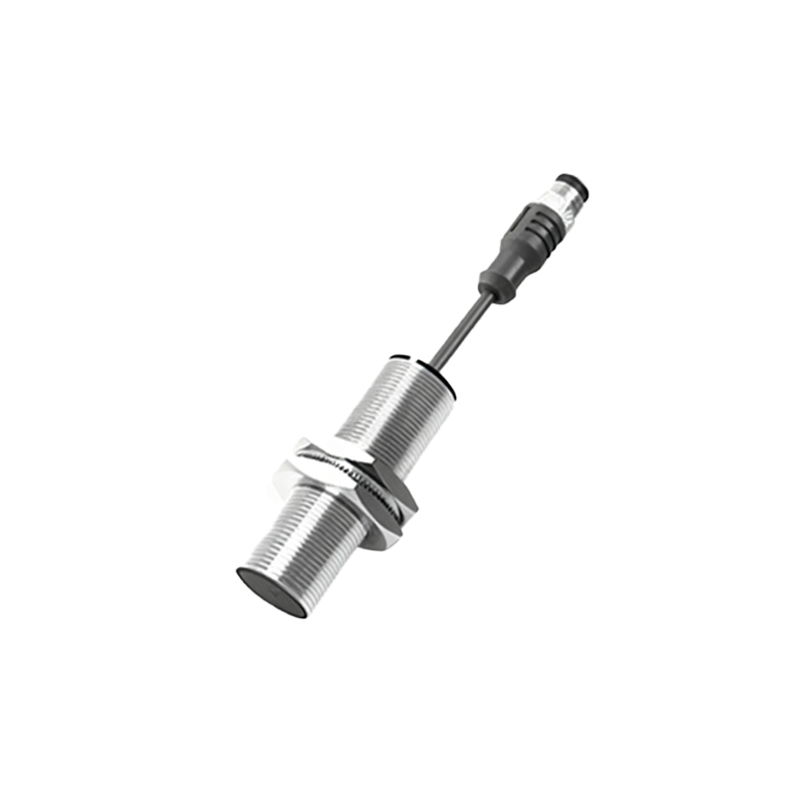
Magnetic proximity sensors, utilizing reed switches or Hall-effect components, are favored for their simplicity and reliability in cryogenic applications. They are frequently found in liquefied gas handling and aerospace industries. Prices for magnetic sensors start around $40 for basic models but can reach over $200 for explosion-proof or ultra-low temperature variants.
Material selection significantly impacts both performance and cost. Sensors designed for prolonged exposure to extreme cold often utilize stainless steel housings, PTFE cables, and hermetic seals to prevent internal condensation. These materials increase manufacturing costs but ensure long-term stability. Additionally, sensors with integrated heating elements to prevent frost accumulation add approximately 20-30% to the base price.
Market trends indicate a growing demand for low temperature proximity sensors in emerging sectors such as renewable energy (wind turbine monitoring in polar regions), electric vehicle battery management systems in cold climates, and cryogenic research facilities. This demand, coupled with advancements in semiconductor technology enabling wider operating temperature ranges, is gradually reducing prices for standard models while premium features continue to command higher margins.
When evaluating low temperature proximity sensor prices, engineers must consider total cost of ownership rather than just initial purchase price. Factors such as calibration frequency, maintenance requirements, and mean time between failures (MTBF) in low-temperature environments critically influence long-term expenses. Suppliers often provide lifecycle cost analyses to assist in selection.
The global market for low temperature proximity sensors is projected to grow at a CAGR of 6.2% from 2023 to 2030, with price stabilization expected as manufacturing scales and material innovations progress. However, geopolitical factors affecting rare-earth materials and specialized electronics may introduce price volatility for high-end sensor models.
In summary, the pricing of low temperature proximity sensors reflects a balance between technological sophistication, material durability, and application-specific requirements. While entry-level sensors provide basic functionality for moderate cold conditions, investment in higher-precision, robust sensors often yields superior reliability and lower lifecycle costs in truly extreme environments.