In the realm of industrial automation and control systems, the seamless interaction between sensing devices and switching components forms the backbone of efficient and reliable operations. Among these critical components, proximity sensors and relays stand out for their fundamental roles. This article delves into their individual functionalities, integration methodologies, and practical applications, providing a comprehensive overview for engineering professionals.
Understanding Proximity Sensors
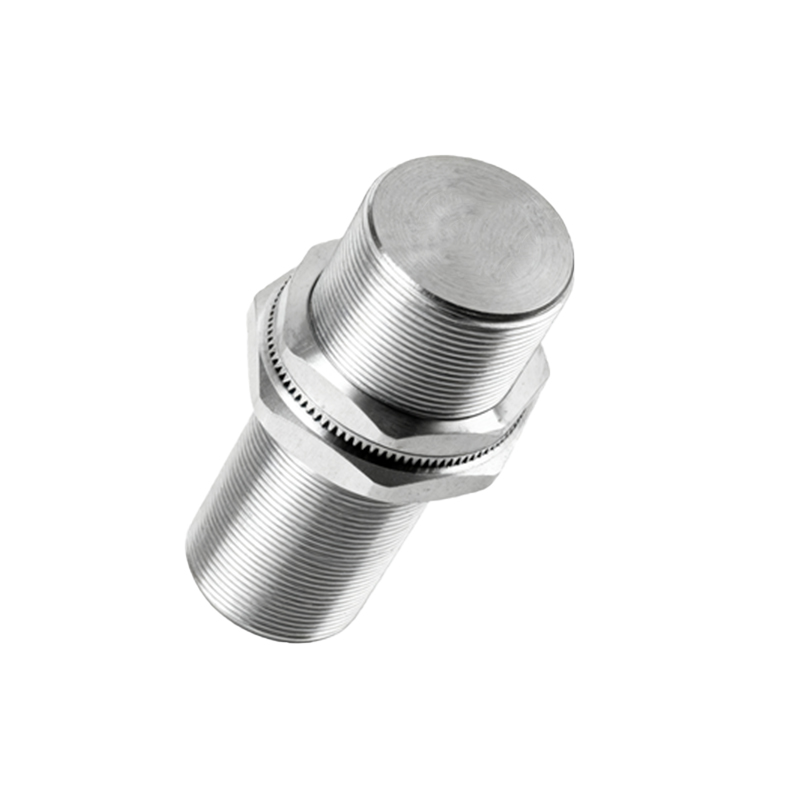
A proximity sensor is a non-contact electronic device designed to detect the presence or absence of an object within its sensing range without physical contact. It achieves this by emitting an electromagnetic field or a beam of electromagnetic radiation and looking for changes in the field or return signal. The primary types include:
Inductive Proximity Sensors: Detect metallic objects (ferrous and non-ferrous) by generating an oscillating electromagnetic field. The presence of a metal object dampens the oscillation, triggering a switch in the output state. They are highly reliable, resistant to environmental contaminants like dust and oil, and ideal for harsh industrial environments.
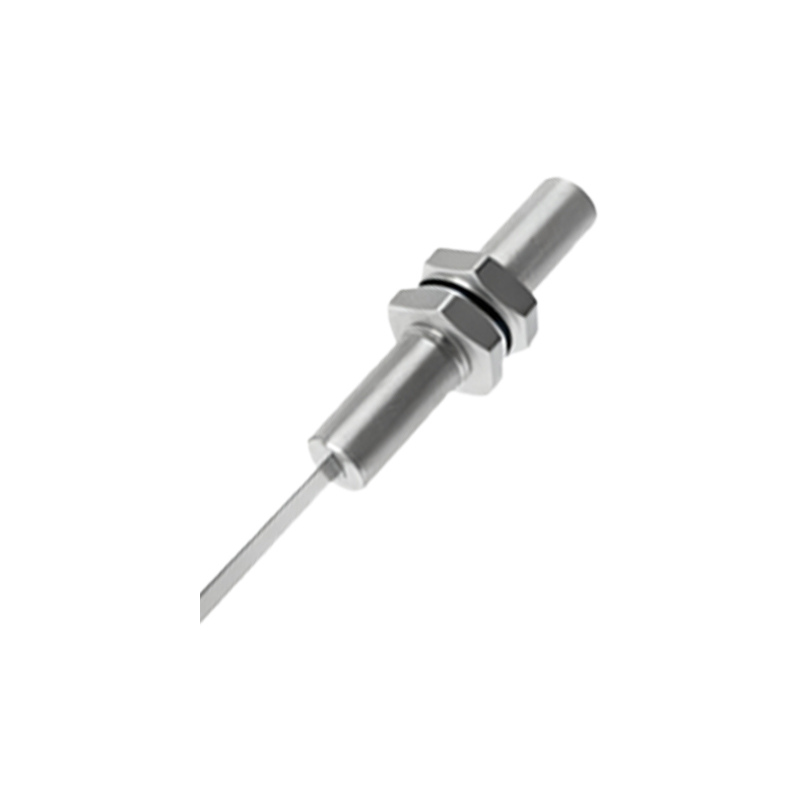
Capacitive Proximity Sensors: Can detect both metallic and non-metallic objects (plastics, wood, liquids, granules) by measuring changes in capacitance. They are versatile but can be influenced by environmental factors like humidity.
Ultrasonic Proximity Sensors: Use sound waves to detect objects and can measure distance. Effective for clear liquid level detection, transparent objects, or applications requiring precise positioning.
Photoelectric Sensors: Utilize light beams (visible, infrared, laser) to detect objects. They offer long sensing ranges and can detect virtually any material.
The output from these sensors is typically a discrete DC signal (e.g., PNP or NPN transistor output, 24V DC) or, in some advanced models, an analog signal or digital communication via protocols like IO-Link.
The Role of Relays
A relay is an electrically operated switch. It uses a low-power electrical signal (the coil) to control a circuit with a higher power or different voltage/current characteristic (the contacts). The core principle is electromagnetism: energizing the coil creates a magnetic field that physically moves the contacts to open or close the load circuit.
Electromechanical Relays (EMRs): Feature physical moving contacts. They provide complete electrical isolation between the coil and contact circuits and can switch AC or DC loads. However, they have mechanical wear, slower switching speeds, and can produce contact bounce.
Solid-State Relays (SSRs): Use semiconductor components (like thyristors or transistors) to perform switching without any moving parts. They offer faster switching, silent operation, high reliability, and resistance to vibration. They are ideal for frequent switching but may generate heat and require careful thermal management.
Relays act as indispensable intermediaries, allowing a low-current sensor signal to control high-power actuators like motors, solenoids, heaters, or lamps.
System Integration: Sensor to Relay to Load
The standard integration loop is straightforward yet powerful. A 24V DC power supply is commonly used in industrial panels. The proximity sensor is connected to this supply. When the sensor detects a target, its output transistor switches, allowing current to flow through the relay's coil circuit. This energizes the coil, causing the relay's contacts to change state (e.g., from Normally Open to closed). These contacts are wired in series with the main power supply and the final load (e.g., a three-phase motor starter coil). Thus, the tiny detection event is amplified to control significant industrial machinery.
Key Application Examples
1. Machine Guarding and Safety: An inductive proximity sensor monitors the position of a safety guard door. If the door opens during machine operation, the sensor's signal changes, de-energizing a safety relay, which immediately cuts power to the machine drives, ensuring operator safety.
2. Object Counting and Sorting on Conveyors: Photoelectric sensors detect packages on a conveyor line. Each detection pulse is sent to a relay (or a programmable logic controller - PLC, which internally uses relay logic). After a preset count, the relay activates a pneumatic diverter to route the package to the correct lane.
3. Liquid Level Control in Tanks: Capacitive or ultrasonic sensors monitor fluid levels in storage tanks. When a low-level is detected, a relay is energized to start a pump for refilling. Conversely, a high-level signal de-energizes the relay to stop the pump, preventing overflow.
4. Positioning and End-of-Travel Detection: Inductive sensors are widely used to detect the home or limit position of a linear actuator or robotic arm. The signal from the sensor, via a relay, informs the controller to stop or reverse the drive motor, ensuring precise and repeatable movement.
Design Considerations and Best Practices