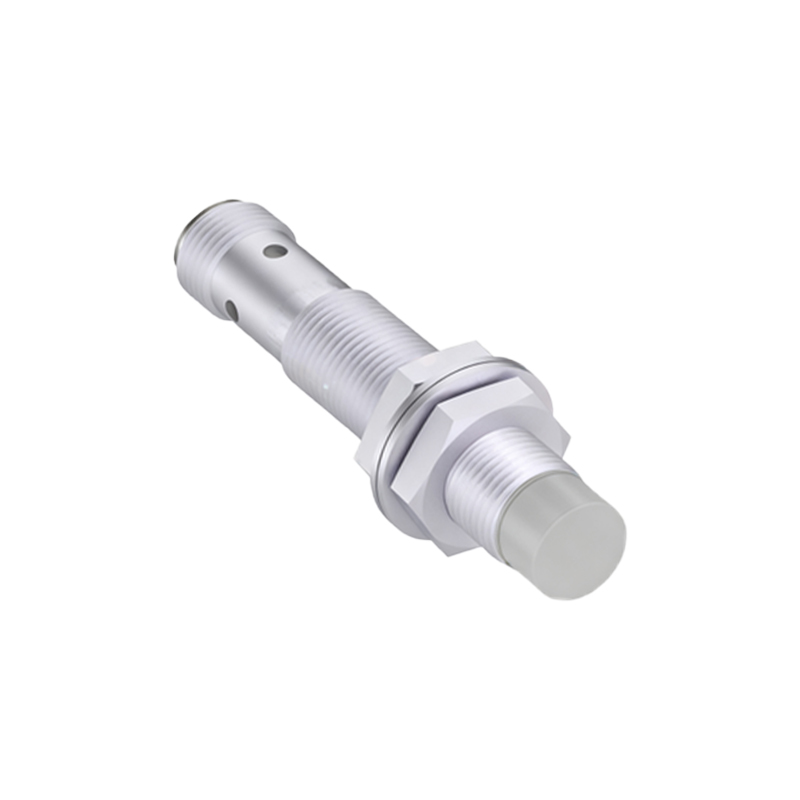
Proximity sensors are indispensable components in modern industrial automation, enabling non-contact detection of objects within a defined range without physical touch. These devices enhance efficiency, reliability, and safety across various sectors, including manufacturing, automotive, and packaging. Understanding the different types of proximity sensors is crucial for selecting the right technology for specific applications. This guide explores the primary categories, operating principles, and typical use cases.
Inductive proximity sensors are widely used for detecting metallic objects. They operate by generating an electromagnetic field from a coil and oscillator. When a metal target enters this field, it induces eddy currents, causing a change in oscillation amplitude. This change is detected by the sensor's circuitry, triggering an output signal. Inductive sensors excel in harsh environments with dust, oil, or moisture, as they are sealed and resistant to contaminants. Common applications include position sensing in machinery, metal part counting, and conveyor systems. They are available in various shapes, such as cylindrical, rectangular, and ring types, with sensing ranges typically up to 60 mm.
Capacitive proximity sensors can detect both metallic and non-metallic materials, including liquids, plastics, and wood. They function by generating an electrostatic field between two electrodes. When an object enters this field, it alters the capacitance, leading to a change in oscillation. The sensor detects this shift and activates the output. Capacitive sensors are ideal for level detection in tanks, material handling, and presence sensing of non-metallic items. They often feature adjustable sensitivity to compensate for different materials or environmental conditions. However, they may be influenced by humidity or temperature variations, requiring careful installation.
Ultrasonic proximity sensors utilize sound waves beyond human hearing (typically 20 kHz to 200 kHz) to detect objects. They emit ultrasonic pulses and measure the time taken for echoes to return after hitting a target. By calculating the distance based on sound speed, these sensors provide precise measurements. Ultrasonic sensors are versatile, capable of detecting solids, liquids, or granular materials, regardless of color or transparency. They are commonly used in distance measurement, object profiling, and liquid level control. While effective, they can be affected by air turbulence, temperature, or soft materials that absorb sound.
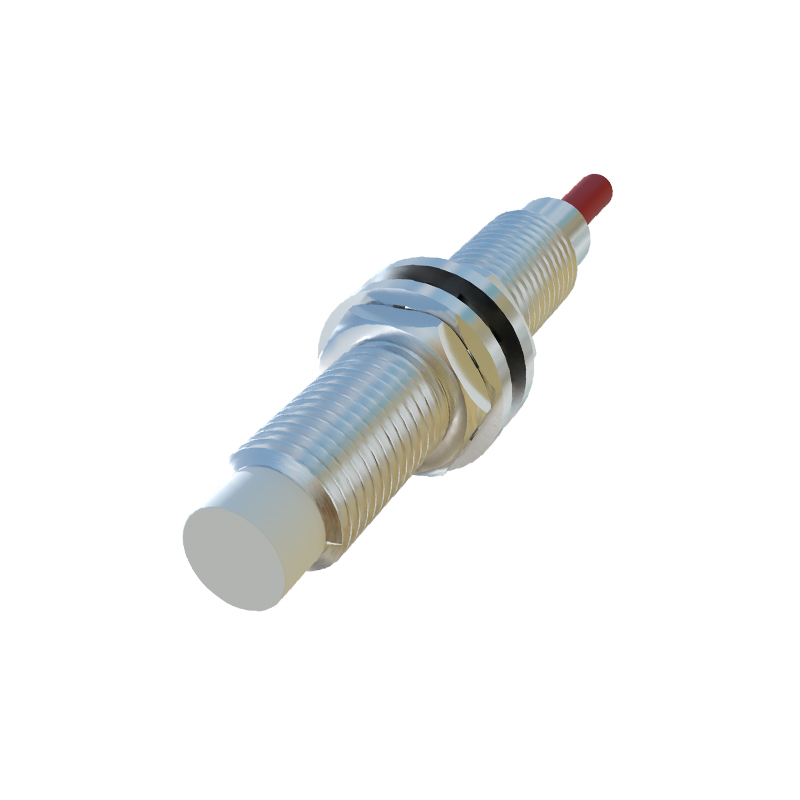
Magnetic proximity sensors, or reed switches, detect magnetic fields generated by permanent magnets. They consist of two ferromagnetic reeds sealed in a glass tube. When a magnet approaches, the reeds attract and close the circuit, producing an output signal. These sensors are simple, cost-effective, and suitable for high-speed applications. They are often employed in safety systems, door position sensing, and automotive controls. However, they have limited sensing ranges and may be susceptible to interference from external magnetic fields.
Photoelectric proximity sensors use light beams to detect objects. They comprise an emitter (usually LED or laser) and a receiver. When an object interrupts or reflects the light beam, the receiver detects the change and triggers the output. Photoelectric sensors are categorized into through-beam, retro-reflective, and diffuse-reflective types. Through-beam sensors offer long ranges and high accuracy, while diffuse-reflective sensors are compact and easy to install. They are excellent for detecting transparent or colored objects, packaging verification, and conveyor belt monitoring. Environmental factors like dust, fog, or ambient light can affect performance, necessitating proper shielding.
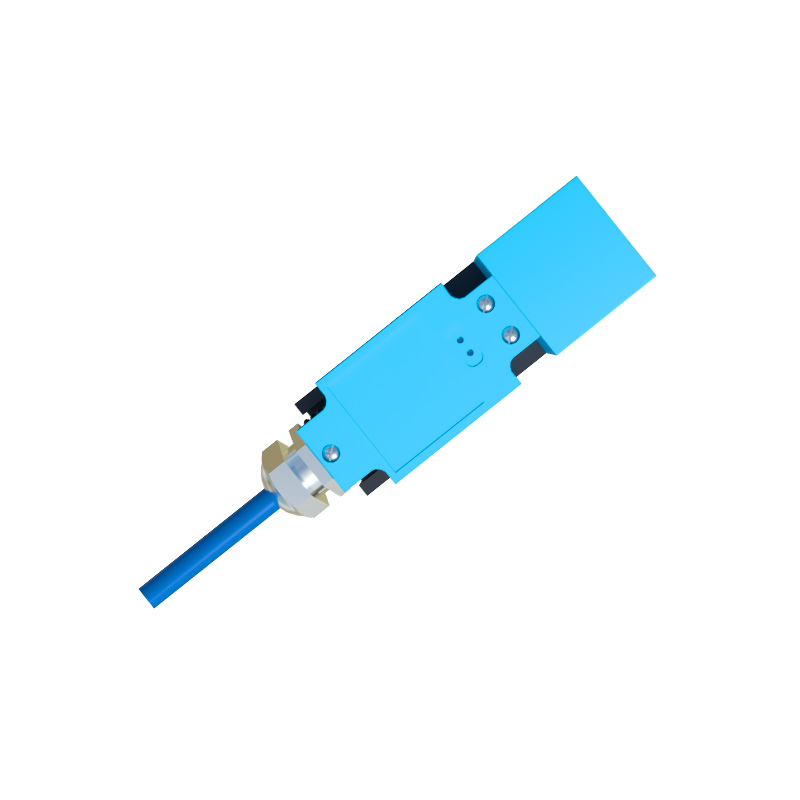
Each type of proximity sensor has distinct advantages and limitations. Inductive sensors are robust for metal detection but limited to conductive materials. Capacitive sensors offer material versatility but require calibration. Ultrasonic sensors provide distance data but may be sensitive to environmental noise. Magnetic sensors are durable yet range-restricted. Photoelectric sensors are flexible but influenced by ambient conditions. Selection depends on factors such as target material, sensing distance, environmental challenges, and cost.
In industrial settings, proximity sensors contribute to automation by enabling precise control, reducing downtime, and enhancing safety. For instance, in automotive assembly lines, inductive sensors ensure correct part placement, while ultrasonic sensors monitor fluid levels. Regular maintenance, including cleaning and calibration, ensures longevity and accuracy. As technology advances, smart sensors with IoT connectivity are emerging, allowing real-time monitoring and predictive maintenance.
Ultimately, choosing the right proximity sensor involves a thorough analysis of application requirements. Consulting datasheets and manufacturer guidelines can aid in optimal integration. By leveraging the appropriate sensor type, industries can achieve higher productivity and operational excellence.