In the demanding world of industrial automation and machinery, the reliability of sensing technology is paramount. Waterproof proximity sensors have emerged as critical components, designed to deliver consistent, accurate performance in environments where moisture, dust, and other contaminants are constant threats. Unlike standard inductive or capacitive sensors, waterproof variants are engineered with specialized housings, sealed connectors, and robust materials to withstand exposure to liquids, high-pressure washdowns, and corrosive substances. This makes them indispensable in industries such as food and beverage processing, pharmaceutical manufacturing, wastewater management, and outdoor machinery.
The core technology behind these sensors remains based on non-contact detection principles. Inductive waterproof proximity sensors detect metallic objects, while capacitive types can detect both metallic and non-metallic materials, including liquids and granular substances. The key differentiator is the ingress protection (IP) rating. A true waterproof proximity sensor typically carries a rating of IP67, IP68, or IP69K. An IP67 rating guarantees protection against temporary immersion in water, IP68 indicates protection against prolonged immersion under specified pressure, and IP69K certifies the sensor can withstand close-range, high-pressure, high-temperature spray downs commonly used in industrial cleaning processes. Selecting the appropriate IP rating is the first critical step in application design.
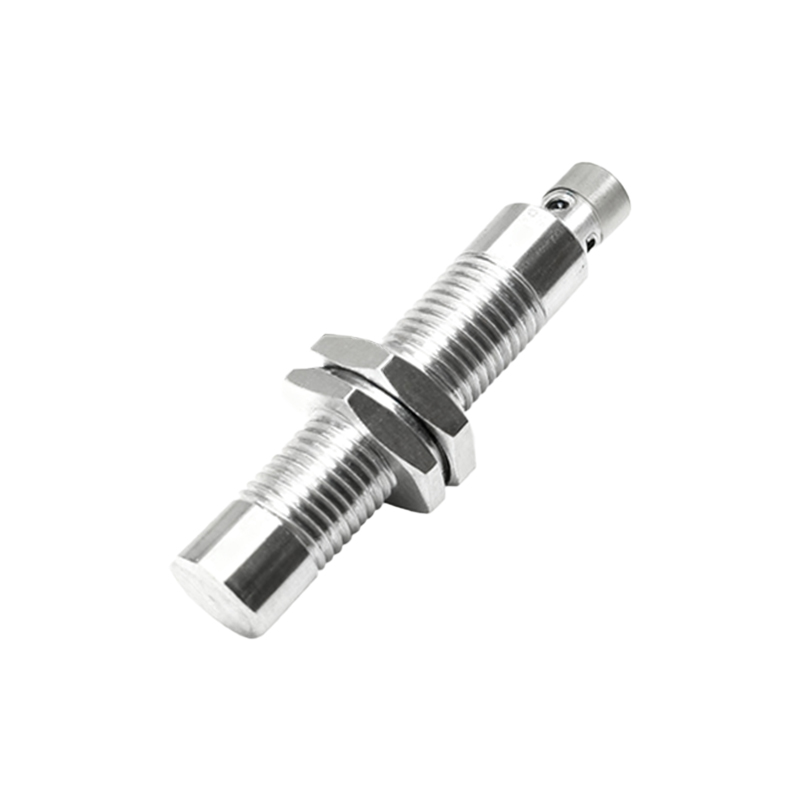
Construction materials play a vital role in longevity. High-grade stainless steel housings, often in 316 or 304 grades, are standard for the sensing face and body in harsh environments. These materials offer excellent resistance to corrosion from chemicals, salts, and steam. The sensing face is typically a rugged, thick polymer or ceramic layer that protects the internal coil and electronics while allowing the electromagnetic field to pass through. Cables are either integrally molded with a high-strength seal or connected via sealed, threaded connectors (e.g., M12 connectors) to prevent water ingress at the junction point.
The applications for waterproof proximity sensors are vast and varied. In food processing plants, they are used to detect product presence on conveyors, monitor fill levels in tanks, or control packaging machinery, all while enduring frequent sanitation cycles with caustic cleaners. In automotive manufacturing, they operate reliably in robotic welding cells where coolant mist is prevalent. Marine and offshore applications rely on them for equipment positioning and safety interlocks, exposed to saltwater spray. Agricultural and construction machinery utilize these sensors for position feedback on moving arms and booms, facing mud, rain, and extreme temperatures.
When integrating a waterproof proximity sensor, several technical parameters require careful consideration beyond the IP rating. The sensing distance, which may be slightly reduced compared to a standard sensor due to the thicker front cap, must be factored into mechanical design. Temperature range is another crucial factor; ensure the sensor's operating and storage temperatures align with the environmental extremes of the application. Electrical output types (PNP/NPN, NO/NC) and supply voltage compatibility (typically 10-30V DC) must match the control system's requirements. For advanced diagnostics, some modern sensors feature IO-Link communication, providing data on operational status, temperature warnings, and signal strength, enabling predictive maintenance.
Installation and maintenance, while straightforward, demand attention to detail to preserve the waterproof integrity. Follow the manufacturer's guidelines for tightening torque on mounting nuts and connector glands. Avoid mounting the sensor in a location where water can pool directly on the face or cable entry point. Regularly inspect the sensor housing and cable for physical damage or degradation of seals. While the sensors are designed to be maintenance-free, periodic checks ensure long-term reliability and prevent unexpected downtime.
In conclusion, waterproof proximity sensors are not merely optional upgrades but essential engineering solutions for modern industrial operations. They bridge the gap between sophisticated automation control and the unforgiving realities of wet, dirty, and corrosive working environments. By understanding their specifications, construction, and proper application, engineers and system integrators can significantly enhance the resilience, safety, and efficiency of their automated systems, ensuring continuous operation and protecting valuable assets from environmental damage.