In the rapidly evolving landscape of industrial automation and smart systems, proximity sensors stand as critical components for non-contact detection. This guide presents a comprehensive visual and technical overview of the latest advancements in proximity sensor technology, providing engineers and procurement specialists with a detailed image repository and analysis.
The first category we explore is the new generation of Inductive Proximity Sensors. Modern designs have shifted towards miniaturization and enhanced performance. High-resolution images reveal sleek, cylindrical housings in stainless steel (e.g., V4A/AISI 316L) with significantly reduced mounting dimensions, such as M8 and even M5 threads. Key visual features include integrated LED status indicators (often multi-color for diagnostic functions) and robust, flush-mountable designs. Internally, advanced ASICs (Application-Specific Integrated Circuits) provide improved noise immunity and temperature stability. Look for images showcasing models with IO-Link communication capability, which allows for parameterization and real-time data exchange, moving beyond simple switching signals.
Next, we delve into Capacitive Proximity Sensors. The latest models exhibit enhanced sensitivity for detecting non-metallic objects like liquids, plastics, and wood grains. High-quality photographs highlight their flat or rectangular sensing faces, often with adjustable sensitivity potentiometers protected under a sealed cover. New variants feature polymer housings resistant to aggressive chemicals. A notable advancement visible in cutaway images is the guarded field design, which minimizes false triggers from the surrounding material, making them ideal for level detection in tanks or material handling.
Ultrasonic Proximity Sensors represent a leap in sensing range and versatility. Contemporary images display compact, rectangular or barrel-shaped devices with integrated transducers. They are increasingly found in background suppression models, capable of ignoring objects beyond a set distance. Technical diagrams illustrate the principle of time-of-flight measurement. Look for product images highlighting their application in challenging environments—detecting transparent objects like glass bottles, monitoring fill levels in opaque containers, or ensuring precise positioning in logistics, all conditions where optical or inductive sensors fail.
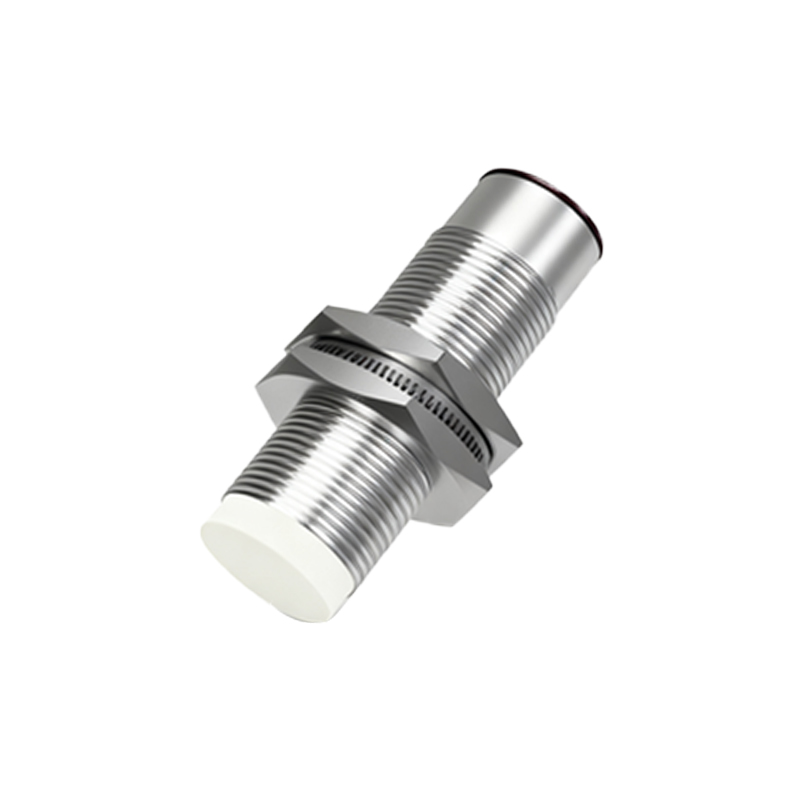
Magnetic Proximity Sensors (Reed and Hall Effect) have also seen substantial refinement. Photographs show incredibly compact SMD (Surface-Mount Device) versions for PCB integration alongside traditional cylindrical housings. Advanced Hall-effect sensors are now available in 3D versions, capable of detecting magnetic field strength in multiple axes. Application images frequently depict their use in pneumatic cylinder position feedback, with magnets embedded in the piston, showcasing their reliability in high-speed, repetitive motion.
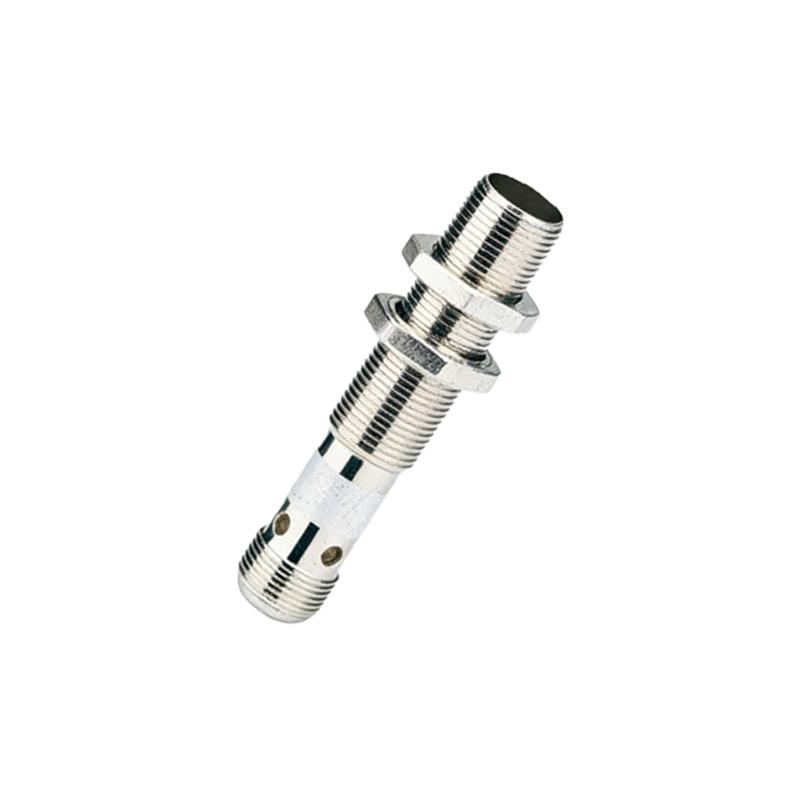
A significant trend is the rise of Photoelectric Sensors with Proximity Mode (Diffuse Reflectors). While traditionally considered a separate category, many modern photoelectric sensors offer a true background suppression or fixed-field proximity mode. Images highlight sensors with precise, visible red or laser light spots. New designs incorporate ToF (Time-of-Flight) technology and CMOS matrix sensors, enabling not just detection but also simple distance measurement. Visual examples show their superior performance in detecting small, low-contrast, or highly reflective objects on production lines.
The integration of Functional Safety is a critical visual and technical marker. Many new proximity sensors are designed to meet SIL 2/PL d or SIL 3/PL e standards per IEC 61508 and ISO 13849. Product images and datasheet graphics prominently feature the relevant safety logos. These sensors often have dual independent outputs or specific monitoring circuits, which are detailed in connection diagrams.
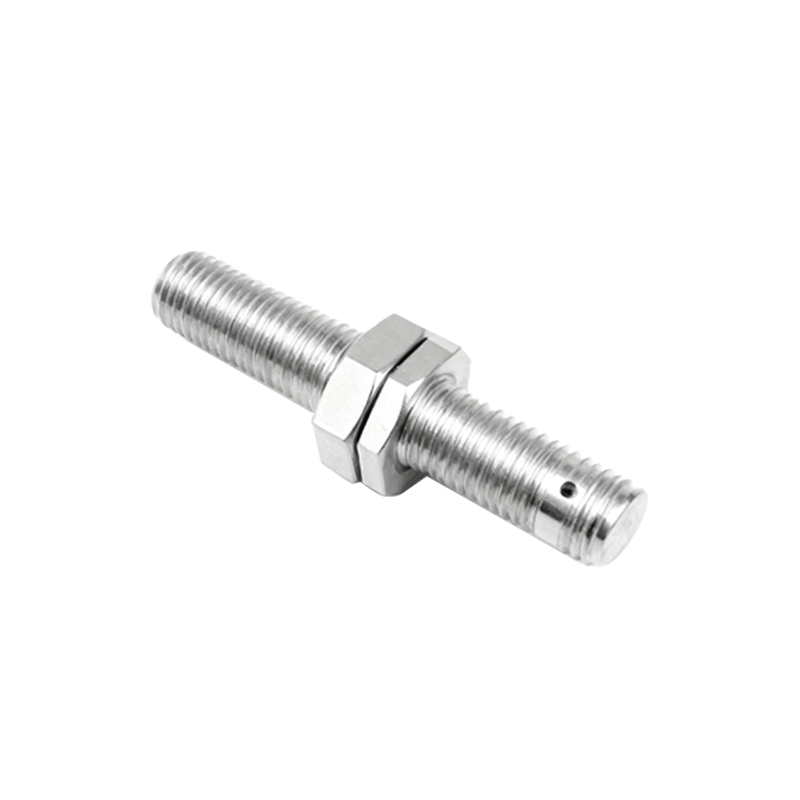
Finally, Connectivity and Housing innovations are immediately apparent. A vast collection of images showcases the dominance of M8 and M12 quick-disconnect connectors, often in 4-pin or 5-pin configurations for IO-Link. There is a clear move towards standardized form factors per IEC 60947-5-2. Pictures also illustrate sensors with extended temperature ranges (-40°C to 85°C), high IP67, IP68, and IP69K ratings for washdown environments, and specialized coatings for welding cell applications (resistant to spatter).
This image-centric review underscores that the future of proximity sensing lies in smarter, more connected, and more application-specific devices. Engineers must consider not just the sensing principle, but also the communication protocol, safety rating, and environmental robustness—all features clearly documented in modern technical imagery and datasheets.