Photoelectric sensors, commonly referred to as photo eyes or proximity switches, are indispensable components in modern industrial automation. These devices operate on the principle of detecting the presence, absence, or distance of an object using a light transmitter and receiver. Unlike inductive or capacitive proximity sensors, photoelectric sensors are not limited to metallic targets and can detect a wide range of materials, including plastics, glass, and liquids, making them incredibly versatile. This tutorial provides a comprehensive guide to understanding, selecting, and applying photoelectric proximity switches in various industrial settings.
The fundamental working principle involves the emission of a light beam—typically infrared, visible red, or laser—from the transmitter. The receiver then detects changes in this beam caused by the target object. There are three primary sensing modes: through-beam, retro-reflective, and diffuse (proximity) mode. Through-beam sensors consist of separate transmitter and receiver units; an object is detected when it interrupts the beam. This mode offers the longest sensing range and highest reliability. Retro-reflective sensors use a single housing containing both emitter and receiver, along with a reflector. The beam returns to the receiver via the reflector, and detection occurs when the beam is blocked. Diffuse or proximity sensors also house both elements but rely on light reflected directly from the target object itself, making them ideal for short-range applications where installing a reflector is impractical.
Selecting the appropriate photoelectric sensor requires careful consideration of several key parameters. Sensing range, defined as the maximum distance at which the sensor can reliably detect an object, is paramount. Environmental factors such as ambient light, dust, fog, or temperature extremes can significantly impact performance. For instance, sensors with modulated LED light sources are preferred in environments with high ambient light to prevent false triggers. The response time, or the speed at which the sensor can detect an object and send an output signal, is critical for high-speed production lines. Output types also vary, including discrete NPN/PNP transistors, analog current/voltage, and IO-Link digital communication for advanced diagnostics and parameter setting.
Installation and alignment are crucial for optimal operation. Ensure the sensor is securely mounted to avoid vibration-induced misalignment. For through-beam and retro-reflective types, precise alignment between the emitter, receiver, and reflector is necessary. Many modern sensors feature visible red or laser beams and built-in alignment indicators (like LED status lights) to simplify this process. Always follow the manufacturer's guidelines for mounting distances and avoid placing sensors where buildup of dirt or debris could obscure the lens. Regular maintenance, including lens cleaning with appropriate solvents, is recommended to sustain long-term reliability.
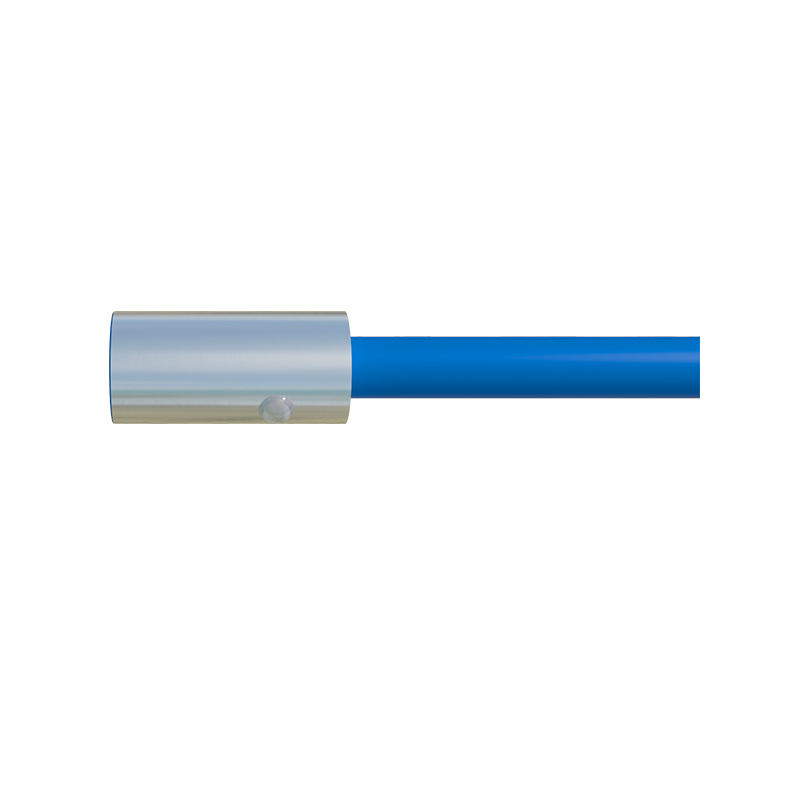
Common applications span across packaging, material handling, automotive assembly, and food & beverage industries. They are used for tasks such as object counting on conveyors, detecting fill levels in transparent bottles, verifying the presence of components in assembly jigs, and ensuring precise positioning in robotic pick-and-place systems. Advanced variants offer background suppression, which allows detection of an object within a specific distance window while ignoring objects beyond it, and color contrast detection for sorting applications.
Troubleshooting typically involves checking power supply connections, verifying alignment, inspecting for physical damage or dirty lenses, and monitoring the sensor's indicator LEDs. Understanding the datasheet specifications regarding light-on/dark-on operation (logic for output activation) and hysteresis (the difference between switch-on and switch-off points) is essential for resolving operational issues.
In conclusion, photoelectric proximity switches are powerful tools for non-contact detection. By mastering their operating principles, selection criteria, and application best practices, engineers and technicians can significantly enhance the efficiency, flexibility, and intelligence of automated systems.