In the realm of industrial automation, proximity sensors are indispensable components, acting as the "eyes" of machinery by detecting the presence or absence of objects without physical contact. Selecting the correct specification and model is critical for ensuring system reliability, efficiency, and safety. This article delves into the key parameters and common model designations to guide engineers and technicians in making informed choices.
The core specification of any proximity sensor is its sensing principle. The two primary types are Inductive and Capacitive. Inductive sensors detect metallic objects (ferrous and non-ferrous) by generating an electromagnetic field. Their sensing range is influenced by the target metal type, with standardized ranges typically defined for mild steel. Common inductive models include cylindrical forms (e.g., M8, M12, M18, M30 threaded barrels) and rectangular block styles. Capacitive sensors, on the other hand, can detect nearly any material—liquids, plastics, wood, or granular substances—by measuring changes in capacitance. They are ideal for level detection or non-metallic object sensing.
Another crucial specification is the sensing distance, or "Sn." This nominal range is guaranteed under specified conditions and is a key factor in mechanical mounting design. For instance, an inductive sensor with an Sn of 5mm should be mounted so the target approaches within that distance. It is vital to note that the effective sensing distance can be reduced when detecting non-standard metals (like aluminum or copper) for inductive sensors or different dielectric materials for capacitive ones.
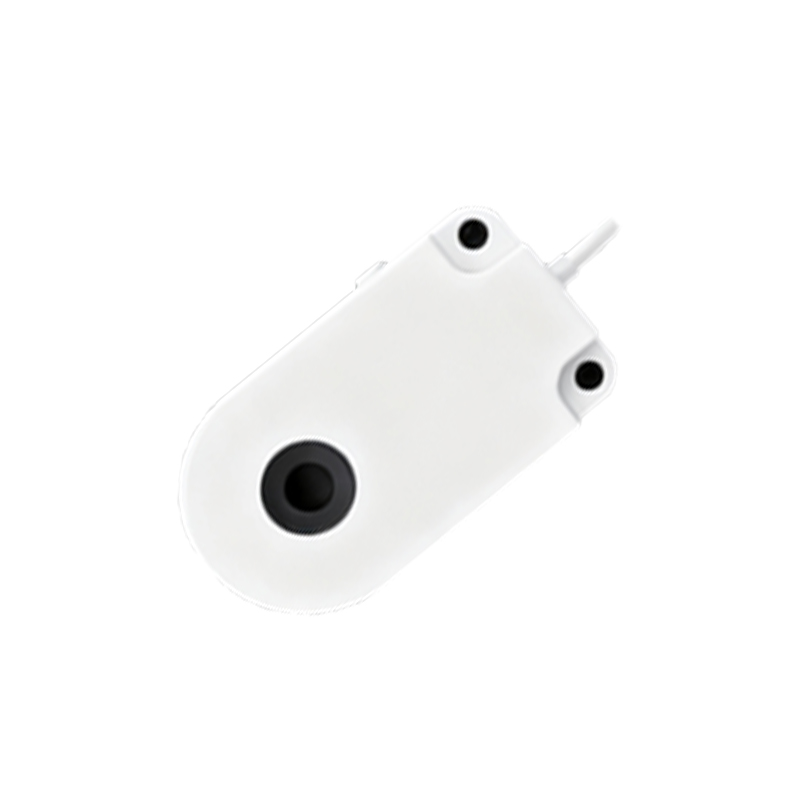
Output configuration is equally important. Sensors are available with Digital outputs, typically as either NPN (sinking) or PNP (sourcing) transistor outputs, which are standard for programmable logic controller (PLC) interfaces. The choice between NPN and PNP depends on the input circuit of the controller. Some models offer Analog outputs (4-20mA or 0-10V), providing a signal proportional to the distance to the target, useful for positioning applications. Additionally, the number of wires defines the type: 2-wire sensors (AC/DC) connect directly in series with the load, while 3-wire and 4-wire sensors have separate power, ground, and signal lines, offering more stable performance.
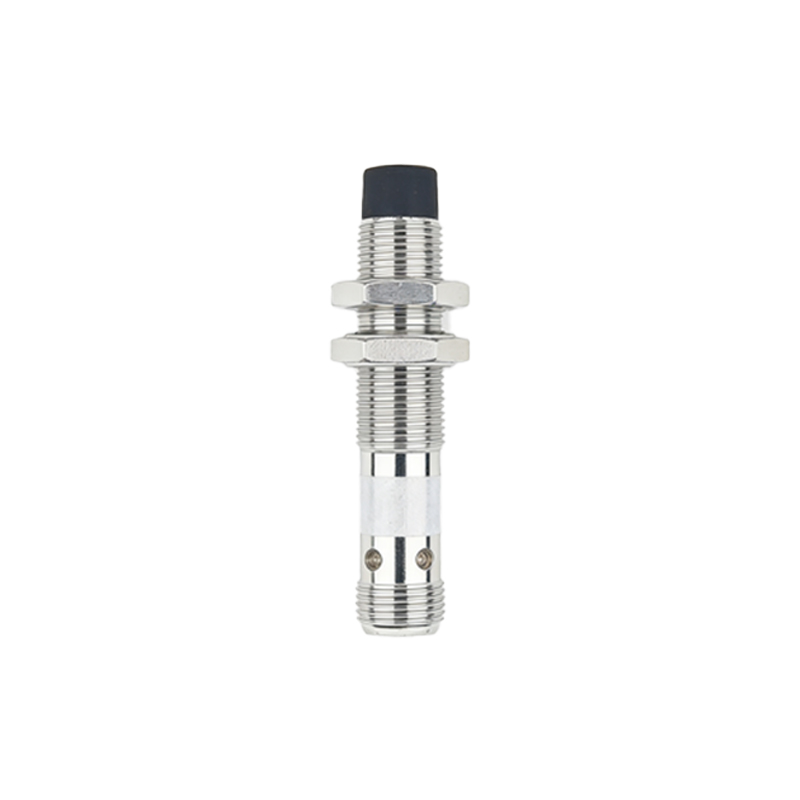
Environmental ratings are non-negotiable for industrial durability. The Ingress Protection (IP) rating, such as IP67 or IP69K, indicates the level of protection against dust and water. An IP67-rated sensor can withstand temporary immersion, making it suitable for washdown environments. The housing material, usually stainless steel (e.g., V2A/AISI 304, V4A/AISI 316) or nickel-plated brass, determines corrosion resistance. Operating temperature range, vibration, and shock resistance are also specified to ensure performance in harsh conditions.
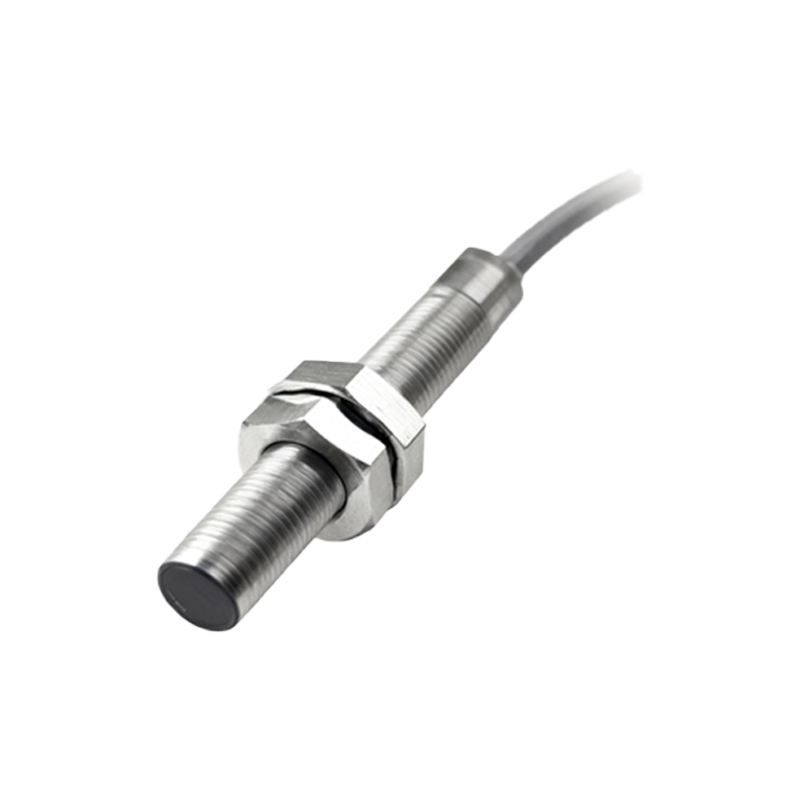
Electrical specifications include the supply voltage range (e.g., 10-30V DC or 20-250V AC), current consumption, and switching frequency (how many on/off cycles per second). A high switching frequency is essential for high-speed applications like counting small parts on a conveyor.
Regarding model designations, manufacturers use specific codes. A typical model number might read "E2A-M18KN08-WP-B1." Decoding this: "E2A" could be the series (inductive), "M18" the housing diameter (18mm), "KN" might indicate a short cylindrical shape with an M18 thread, "08" often denotes an 8mm sensing distance, "WP" could mean a PNP output (or similar), and "B1" might specify a certain connector or cable style. It is imperative to consult the manufacturer's datasheet for precise decoding.
Other specialized types include Magnetic (reed or Hall effect) sensors for detecting permanent magnets, often used in cylinder position feedback, and Ultrasonic sensors for longer-range detection and distance measurement.
In conclusion, selecting a proximity sensor requires a systematic review of the application: target material, required sensing distance, electrical interface, environmental challenges, and mechanical constraints. Understanding the specifications—sensing principle, Sn, output type, IP rating, and electrical data—allows for the precise selection of a model from a catalog, ensuring seamless integration and long-term operational success. Always prioritize sensors from reputable manufacturers that provide comprehensive technical data to support your critical automation decisions.