In the realm of industrial automation, precision and reliability are non-negotiable. The V30 Proximity Sensor stands as a cornerstone technology, engineered to meet the rigorous demands of modern manufacturing, packaging, material handling, and automotive assembly lines. This comprehensive guide delves into the operational principles, key specifications, application benefits, and selection criteria for the V30 series, providing electrical engineers and system integrators with the essential knowledge for optimal implementation.
At its core, the V30 is an inductive proximity sensor. It operates on the principle of electromagnetic induction. The sensor generates a high-frequency oscillating electromagnetic field from its active face. When a metallic target (ferrous or non-ferrous, depending on the model) enters this detection field, eddy currents are induced within the target. This causes a change in the oscillation amplitude within the sensor's internal LC tank circuit. A dedicated evaluation circuit detects this change and triggers a solid-state switching output, signaling the presence of the object. This non-contact detection method eliminates mechanical wear, ensuring a long operational life exceeding millions of cycles.
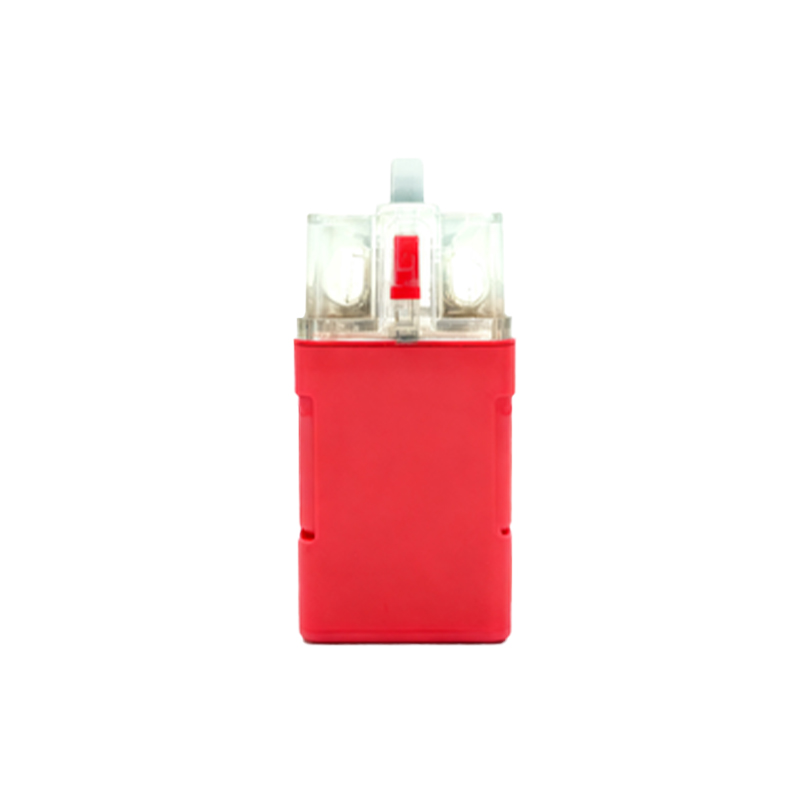
The V30 series is distinguished by several critical specifications. First is its sensing range, typically available in variants from 2mm to 15mm. Engineers must carefully select the nominal sensing distance (Sn) while considering factors like target material, size, and installation conditions, often derating the value for non-ferrous metals. The housing is a key feature, commonly constructed from nickel-plated brass or stainless steel (e.g., V30-15M4-N), offering exceptional resistance to oils, coolants, and physical impacts. This robust IP67 or IP69K ingress protection rating makes it suitable for harsh washdown environments in food and beverage or pharmaceutical applications.
Output configurations are versatile, including NPN (sinking) and PNP (sourcing) transistor outputs in normally-open (NO) or normally-closed (NC) logic. Some advanced models offer analog (4-20mA or 0-10V) or IO-Link outputs for precise distance measurement and advanced diagnostics. The operating voltage range is typically 10-30V DC, compatible with standard industrial control voltages. A crucial performance metric is the switching frequency, which can reach up to 5 kHz in some models, enabling high-speed counting or positioning tasks on fast-moving production lines.
The benefits of integrating V30 sensors into automation systems are substantial. Their non-contact nature guarantees maintenance-free operation and high reliability, critical for minimizing machine downtime. They provide exceptional repeat accuracy, often within microns, ensuring consistent process quality. The absence of mechanical parts allows them to detect objects without physical force, making them ideal for fragile items. Furthermore, their immunity to ambient light, dust (within specified limits), and acoustic noise makes them more robust than optical or ultrasonic sensors in many industrial settings.
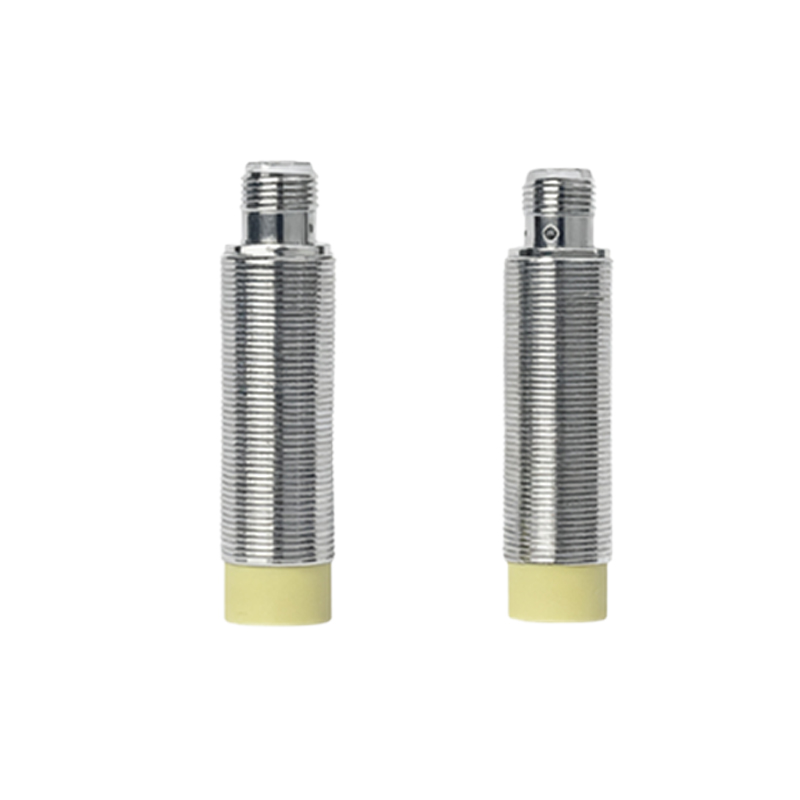
Typical applications are vast. In automotive manufacturing, V30 sensors verify the presence of pistons in engine blocks or detect the position of robotic arms. In packaging machinery, they count bottles on a conveyor or control the fill level by detecting the position of a piston in a filler. In metal stamping presses, they provide crucial end-of-stroke detection for safety interlocks. Their rugged design also allows for use in automated guided vehicles (AGVs) for obstacle detection or alignment.
Selecting the correct V30 model requires a systematic approach. Begin by defining the target material (steel, aluminum, brass, etc.). Next, determine the required sensing distance and factor in any necessary derating. The installation environment dictates the housing material and IP rating; stainless steel is mandatory for corrosive or sanitary zones. Electrical integration requires matching the output type (NPN/PNP) to the PLC input card and ensuring the load current does not exceed the sensor's rating. Finally, consider the connection style: pre-wired cables or quick-disconnect M8 or M12 connectors for easy replacement.
Installation and wiring are straightforward but demand attention to detail. Maintain the recommended lateral and axial spacing between multiple sensors to prevent mutual interference. Ensure the target approaches the sensor's sensing face perpendicularly for maximum range and accuracy. For wiring, strictly adhere to the datasheet's diagrams. For a 3-wire DC sensor, connect the brown wire to +V, the blue wire to 0V, and the black wire (the switched output) to the PLC input. Always implement proper shielding and grounding to mitigate electromagnetic interference (EMI) in electrically noisy environments.
In conclusion, the V30 Proximity Sensor is a proven, versatile workhorse in industrial automation. Its robust construction, reliable non-contact sensing, and high-speed performance make it an indispensable component for enhancing efficiency, safety, and quality in countless applications. By understanding its technology and following proper selection and installation guidelines, engineers can leverage its full potential to build more resilient and