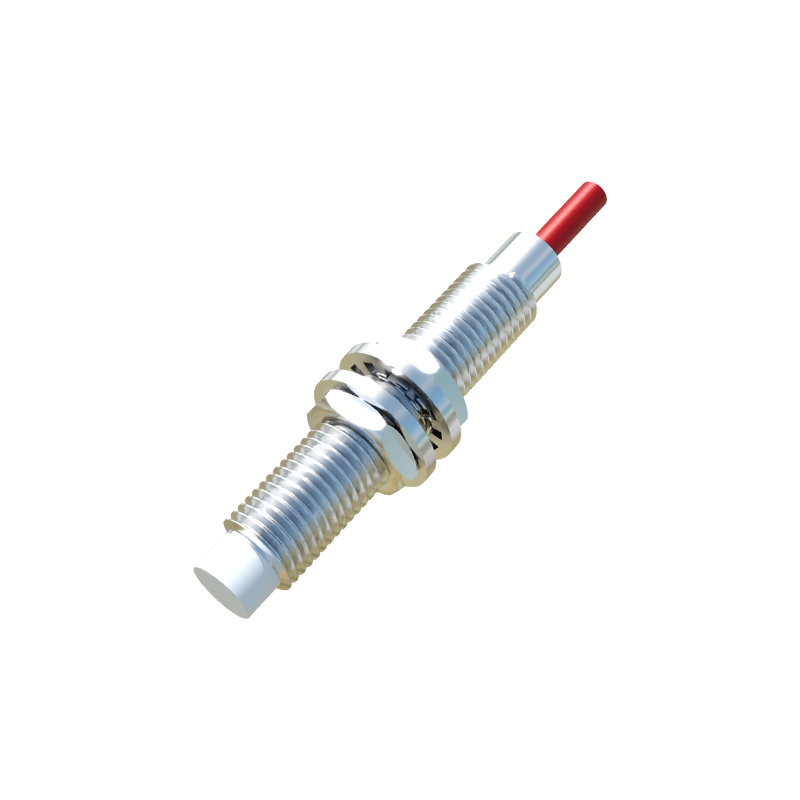
In the demanding world of industrial automation, the reliability of sensing technology is paramount. Corrosion-resistant proximity sensors have emerged as critical components, specifically engineered to withstand some of the most aggressive and challenging environments. Unlike standard inductive or capacitive sensors, these specialized devices are built with longevity and consistent performance in mind, even when exposed to moisture, chemicals, salt spray, extreme temperatures, and abrasive particulates.
The core principle of a proximity sensor remains unchanged: it detects the presence or absence of a target object without physical contact, typically through electromagnetic fields. However, the distinction lies in the materials and construction. A true corrosion-resistant sensor features a housing crafted from high-grade stainless steel, such as 316L or 304, which offers superior resistance to pitting and crevice corrosion. Furthermore, the sensing face is often protected by a specialized coating or is made from a chemically inert material like PTFE (Teflon) or PPS. The seals are equally vital, employing multiple layers of high-quality elastomers like FKM (Viton) or EPDM to achieve an IP67, IP68, or IP69K rating, ensuring protection against high-pressure washdowns and fluid ingress.
The applications for these robust sensors are vast and varied. In the food and beverage industry, they are indispensable for processes involving frequent cleaning with caustic sanitizers and acidic solutions. In marine and offshore operations, sensors must resist constant saltwater exposure. Chemical processing plants rely on them to function amidst vapors and splashes of corrosive agents. Wastewater treatment facilities, pulp and paper mills, and mining operations all present unique corrosive challenges that standard sensors simply cannot endure.
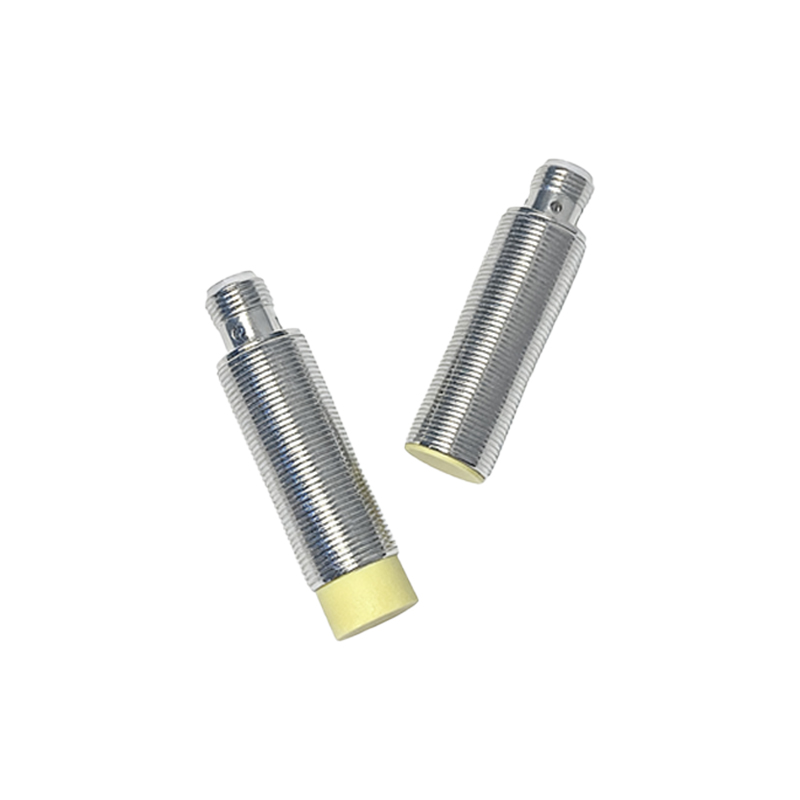
Selecting the appropriate corrosion-resistant proximity sensor requires careful consideration of several factors. First, identify the specific corrosive agent: is it acidic, alkaline, solvent-based, or saline? The sensor material must be compatible. Next, consider the environmental conditions, including operating temperature range, pressure, and the need for washdown capability. The sensing distance, output type (PNP/NPN, analog, IO-Link), and electrical connection (pre-wired, quick-disconnect) must align with the control system's requirements. It is also crucial to verify certifications for specific industries, such as USDA, FDA, or 3-A Sanitary Standards for food safety, or ATEX/IECEx for hazardous areas.
Installation and maintenance, while simplified by the robust design, still demand attention. Proper mounting, using the correct gaskets or brackets, ensures the integrity of the seals. Regular visual inspections for coating damage or seal degradation are recommended. While these sensors are designed for extended service life, proactive replacement as part of a preventative maintenance schedule is more cost-effective than unplanned downtime due to sensor failure.

The integration of smart features, such as IO-Link communication, is becoming increasingly common even in corrosion-resistant models. This allows for continuous monitoring of sensor health, parameter adjustments on-the-fly, and predictive maintenance alerts, further enhancing system reliability and operational efficiency.
In conclusion, investing in high-quality corrosion-resistant proximity sensors is not merely a purchase of a component but a strategic decision for operational resilience. They form a first line of defense in automation systems, ensuring continuous, accurate detection that protects larger capital investments from the detrimental effects of harsh industrial environments. By specifying the correct sensor for the specific corrosive challenge, engineers and plant managers can significantly reduce maintenance costs, minimize production stoppages, and guarantee a higher level of safety and process consistency.