In the realm of industrial automation and electronic systems, proximity sensors play a pivotal role in detecting the presence or absence of objects without physical contact. These devices are essential for applications ranging from assembly lines and robotics to safety mechanisms and consumer electronics. When we refer to "high-definition images" of proximity sensors, it typically involves detailed visual representations that showcase their design, internal components, installation setups, and operational principles with clarity and precision. Such images are invaluable for engineers, technicians, and enthusiasts seeking to understand, select, or troubleshoot these sensors effectively.
Proximity sensors operate based on various technologies, including inductive, capacitive, ultrasonic, and optical methods. Inductive sensors, for instance, detect metallic objects by generating an electromagnetic field, while capacitive sensors respond to both metallic and non-metallic materials by measuring changes in capacitance. High-definition images can illustrate these differences vividly, highlighting features like sensing ranges, housing materials, and connection interfaces. For example, a close-up photo might reveal the coil structure in an inductive sensor or the lens of an optical sensor, aiding in visual identification and comparison.
The importance of high-quality images extends beyond mere aesthetics. In technical documentation, catalogs, and online resources, clear visuals help users grasp complex concepts quickly. A high-definition image might show a sensor mounted on a machine, with arrows indicating detection zones or labels pointing to key parts like LED indicators or wiring terminals. This enhances comprehension, especially when paired with explanatory text about specifications such as response time, output types (e.g., NPN or PNP), and environmental ratings (e.g., IP67 for dust and water resistance).
Moreover, in today's digital age, high-definition images are crucial for e-commerce and educational platforms. Engineers often rely on detailed photos to verify product compatibility or assess build quality before purchase. For instance, an image showcasing the compact size of a miniature proximity sensor can assist in space-constrained designs, while a cross-sectional view might explain how internal circuitry functions. These visuals bridge the gap between theoretical knowledge and practical application, making them a staple in industry forums, training materials, and manufacturer websites.
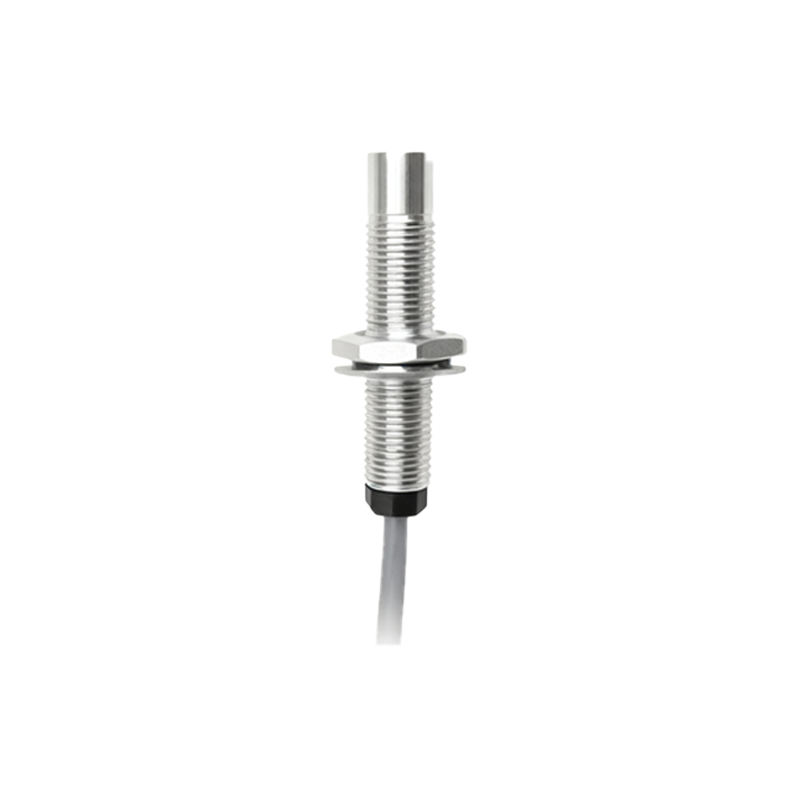
When searching for or creating such images, it's essential to focus on resolution, lighting, and angles to capture fine details. A well-lit photo from multiple perspectives can reveal textures, markings, and dimensions that low-quality images might obscure. Additionally, annotated diagrams or infographics can simplify explanations, such as illustrating how a sensor's output signal changes when an object enters its field. This visual approach not only aids in learning but also supports efficient decision-making in projects involving automation, machinery, or IoT systems.
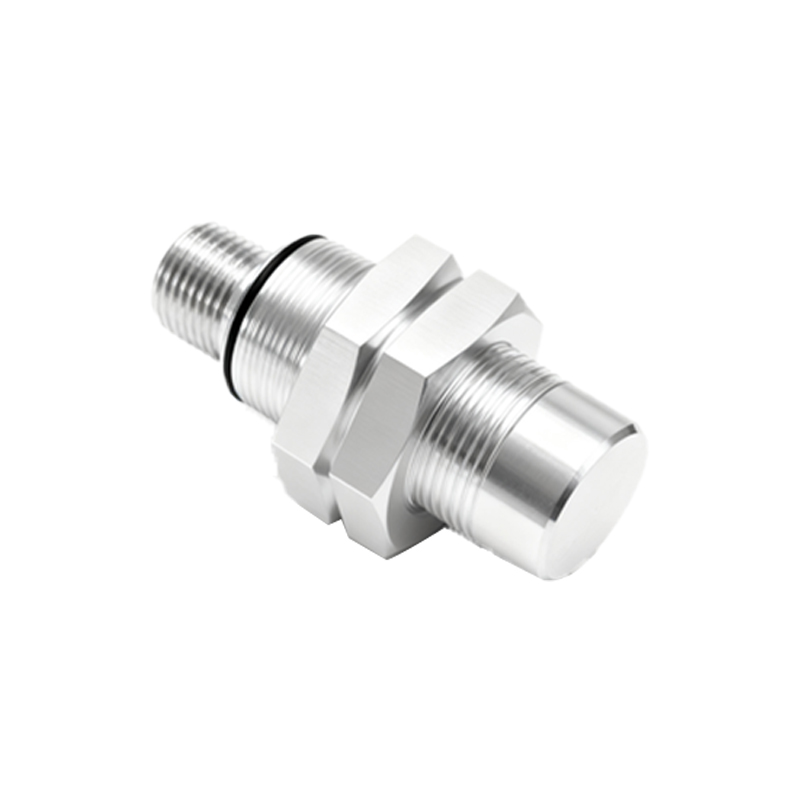
In summary, high-definition images of proximity sensors serve as powerful tools for education, selection, and implementation in the electrical and automation industries. They transform abstract technical data into tangible insights, fostering better understanding and innovation. Whether you're a seasoned engineer or a novice, leveraging these visuals can enhance your ability to work with these critical components, ensuring optimal performance and reliability in diverse applications.