In the realm of industrial automation, proximity sensors are indispensable components for detecting the presence or absence of objects without physical contact. Among the various types available, proximity sensors with delay functions have gained significant traction due to their enhanced operational flexibility and reliability. This article delves into the technical aspects, working principles, and practical applications of these sophisticated sensors, providing insights for engineers and technicians in the electrical and automation sectors.
Proximity sensors with delay functions, often referred to as time-delay proximity sensors, integrate a timing mechanism into standard inductive, capacitive, or photoelectric sensors. The core functionality involves detecting an object and then initiating a controlled delay before sending an output signal. This delay can be configured as either an on-delay or off-delay. An on-delay timer activates the output after a preset time once the target is detected, while an off-delay timer maintains the output for a set duration after the object moves away. This feature is crucial in processes where precise timing synchronization is required to prevent false triggers, ensure sequential operations, or manage safety intervals.
The working principle hinges on the sensor's ability to generate an electromagnetic field or light beam. For inductive sensors, commonly used for metal detection, a coil and oscillator produce a field that induces eddy currents in a metallic object, altering the oscillation amplitude and triggering detection. The integrated timer then processes this signal based on user-defined parameters. Similarly, capacitive sensors detect changes in capacitance caused by non-metallic materials, and photoelectric sensors rely on light beam interruption. The delay function is typically programmable via built-in potentiometers, digital interfaces, or remote configuration tools, allowing adjustments from milliseconds to several minutes. Key parameters include sensing distance, response time, delay range, and environmental ratings like IP67 for dust and water resistance.
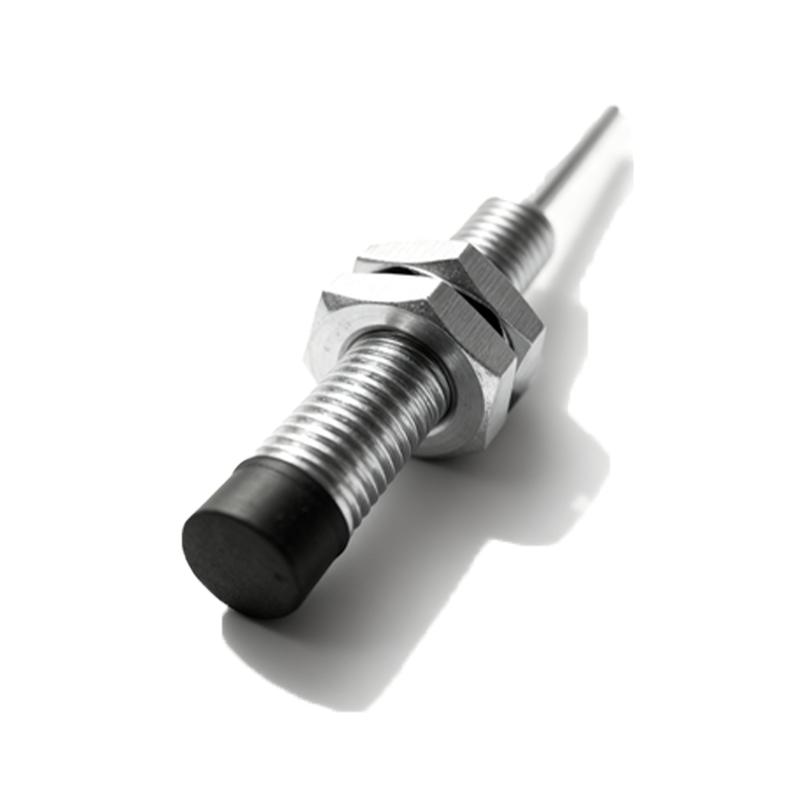
Applications of proximity sensors with delay functions span diverse industries. In manufacturing assembly lines, they coordinate robotic arms to wait briefly before gripping components, reducing collision risks. In packaging machinery, delays ensure containers are properly positioned before sealing or labeling. Automotive plants utilize them for timed welding operations, where sensors detect car parts and delay signals to synchronize with welding robots. Additionally, in material handling systems, off-delays prevent conveyor jams by keeping motors running briefly after objects pass. Safety systems also benefit; for instance, sensors with delays can monitor access doors, maintaining alarms for a set period after unauthorized entry.
Selecting the right sensor involves considering factors such as the detection material, required sensing range, delay accuracy, and environmental conditions. Inductive sensors are ideal for metals in harsh environments, while capacitive versions suit liquids or plastics. Photoelectric sensors offer long-range detection for varied surfaces. Engineers must also evaluate output types (e.g., PNP/NPN transistors or relay outputs) and power supply compatibility (typically 10-30V DC). Regular maintenance, including cleaning lenses or checking for electromagnetic interference, ensures longevity. Innovations like IoT-enabled sensors with network connectivity for remote delay adjustments are emerging trends, enhancing smart factory integration.
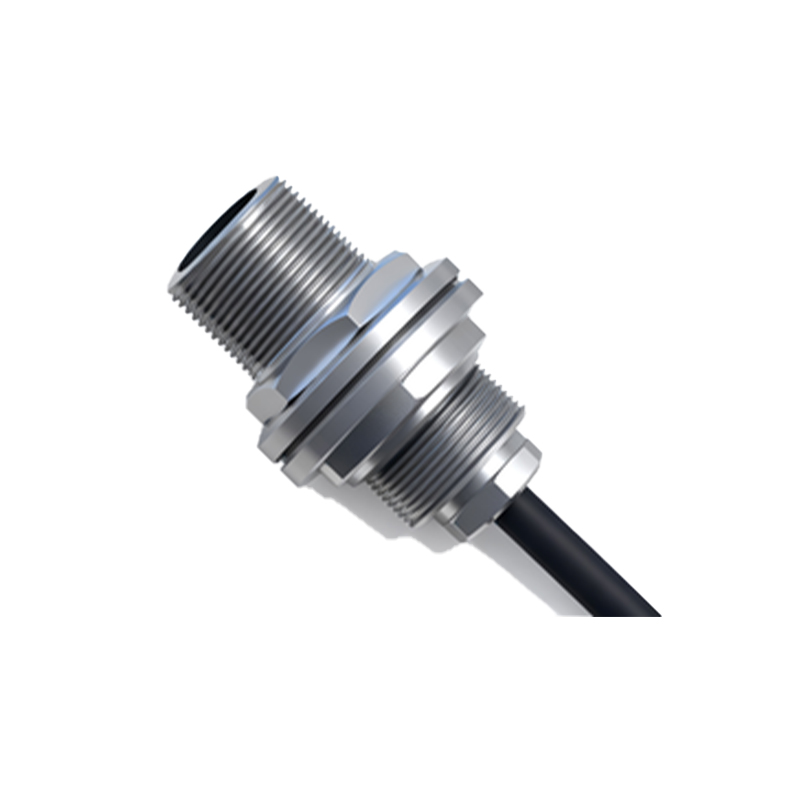
In conclusion, proximity sensors with delay functions represent a pivotal advancement in industrial automation, offering tailored timing solutions that boost efficiency and safety. By understanding their technical nuances and applications, professionals can optimize system designs and address complex operational challenges. As industries evolve toward greater automation, these sensors will continue to play a vital role in enabling precise, reliable control across myriad processes.