In the intricate world of industrial automation and machinery, proximity sensors are the silent sentinels. These non-contact devices detect the presence or absence of an object, playing a critical role in positioning, counting, and safety applications across manufacturing lines, automotive assembly, and packaging systems. When a key inductive, capacitive, or photoelectric sensor fails, it can bring an entire production cell to a grinding halt. The immediate question for maintenance engineers and plant managers becomes: "Where can I find a reliable proximity sensor repair shop?" This guide outlines the primary avenues for locating professional repair services, ensuring minimal downtime and optimal performance restoration.
The first and often most reliable port of call is the Original Equipment Manufacturer (OEM). Most major sensor manufacturers, such as Siemens, Omron, Schneider Electric, Pepperl+Fuchs, and Balluff, maintain extensive global and regional service networks. Visiting the official website of the sensor's brand is the definitive step. Navigate to the "Support" or "Services" section, where you will typically find a "Service Locator" or "Find a Repair Center" tool. By entering your location details, you can access a list of authorized service partners or factory-certified repair facilities. The paramount advantage of choosing an OEM-authorized shop is guaranteed expertise. Technicians are trained specifically on that brand's product lines, use genuine replacement parts, and adhere to strict calibration standards. Repairs often come with a warranty, and the sensor will be restored to its original specifications, which is crucial for sensitive applications. While this path might involve higher costs and potentially longer shipping times if a local center isn't available, the assurance of quality is unparalleled for critical components.
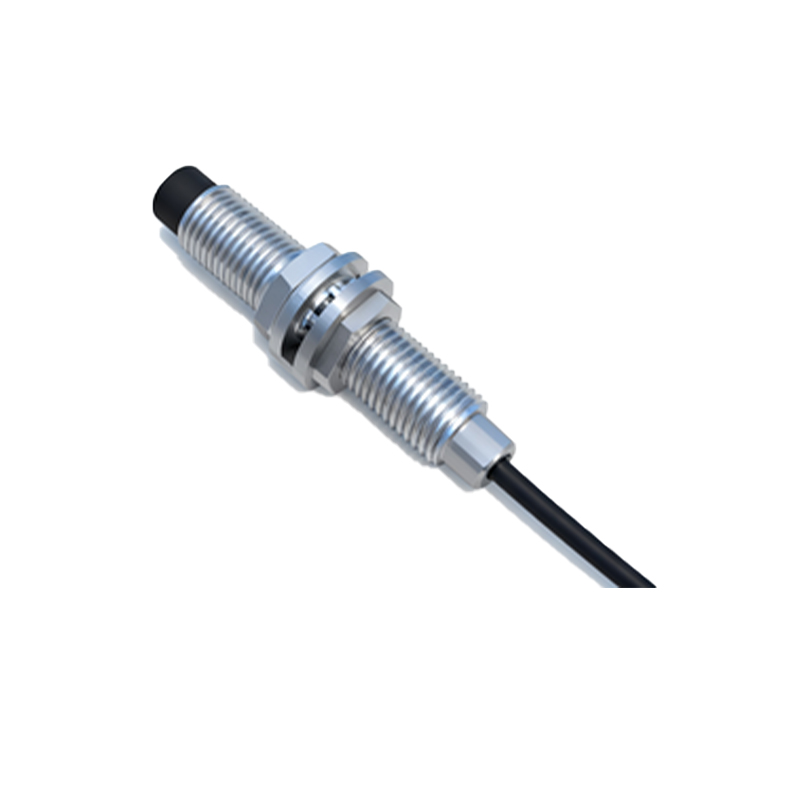
For a more localized and potentially faster solution, specialized industrial electronics repair companies are invaluable. These independent shops are not tied to a single brand but possess broad expertise in repairing a wide array of sensors, drives, PLCs, and other control system components. To find them, use precise search terms on Google or industry-specific directories. Queries like "industrial sensor repair near me," "proximity sensor repair service [Your City/State]," or "automation controls repair shop" will yield relevant results. The key is to vet these providers thoroughly. Examine their website for technical capabilities: Do they list specific sensor brands and types they service? Do they mention calibration equipment and clean-room facilities for optical sensors? Look for case studies or client testimonials from similar industries. A reputable shop should offer a free evaluation or diagnostic service, providing a detailed quote before any work begins. Their turnaround time is often a major selling point, with many offering expedited services to get your equipment back online within 24-48 hours.
Beyond direct repair shops, consider the network of industrial distributors and system integrators in your area. Major distributors like Graybar, Rexel, or Applied Industrial Technologies do more than just sell new components. Many have established technical service departments or have partnerships with local repair specialists. Contacting your regular supplier's technical sales representative can be an efficient shortcut. They have a vested interest in maintaining your business and can provide a trusted referral. Similarly, the system integrator who designed or installed your automation system possesses in-depth knowledge of your specific setup and sensor requirements. They frequently either offer in-house repair services or have a go-to subcontractor for such work, ensuring the repaired sensor is seamlessly reintegrated into your control logic.
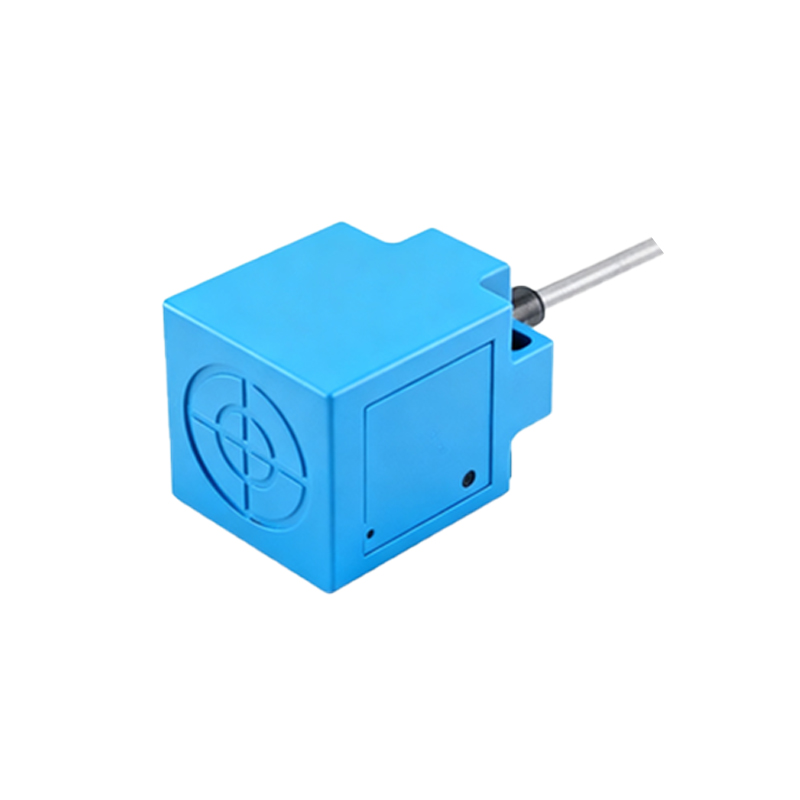
Finally, for obsolete or hard-to-find sensors, seeking out niche or dedicated sensor repair boutiques can be the only solution. Some companies focus exclusively on legacy systems or particular technologies, like ultra-high-frequency or extreme-environment sensors. Finding these requires more targeted research, often within industry forums, trade association member lists (like ISA - International Society of Automation), or by asking for recommendations from peers at other manufacturing facilities. LinkedIn groups for automation professionals can also be a rich source of referrals for specialized repair services.
Before shipping off your faulty sensor, always perform basic troubleshooting: check wiring connections, power supply voltage, and for optical sensors, clean the lens. Document the model number, part number, and the fault symptom. This information will expedite the repair process regardless of the shop you choose. Investing in a qualified repair service for a proximity sensor is not merely a cost; it is a strategic decision for maintaining operational continuity, preserving capital investment, and ensuring the long-term reliability of your automated processes.