In the rapidly evolving landscape of industrial automation, proximity switch sensors stand as critical components for non-contact detection, ensuring precision, reliability, and safety across manufacturing, automotive, and robotics sectors. These sensors, which detect the presence or absence of objects without physical contact, have become indispensable in modern electrical and control systems. Based on global market analysis, technological innovation, and industry adoption, here is an in-depth look at the top five proximity switch sensors dominating the international scene.
First, inductive proximity sensors are widely recognized for their robustness in detecting metallic objects. Utilizing electromagnetic fields, these sensors excel in harsh industrial environments where dust, moisture, or vibrations are prevalent. Leading manufacturers like Siemens and Omron have advanced models with enhanced sensing ranges and immunity to electrical noise, making them ideal for assembly lines and machinery where metal parts are common. Their durability and long operational life contribute to their widespread use in automotive manufacturing and heavy equipment.
Second, capacitive proximity sensors offer versatility by detecting both metallic and non-metallic materials, including liquids, plastics, and glass. Operating on changes in capacitance, these sensors are crucial in industries like packaging, food processing, and pharmaceuticals, where diverse materials require accurate sensing. Brands such as Pepperl+Fuchs and Schneider Electric have developed compact, high-performance capacitive sensors with adjustable sensitivity, allowing for precise control in applications like level detection or material handling. Their ability to function through non-metallic barriers adds to their adaptability in complex setups.
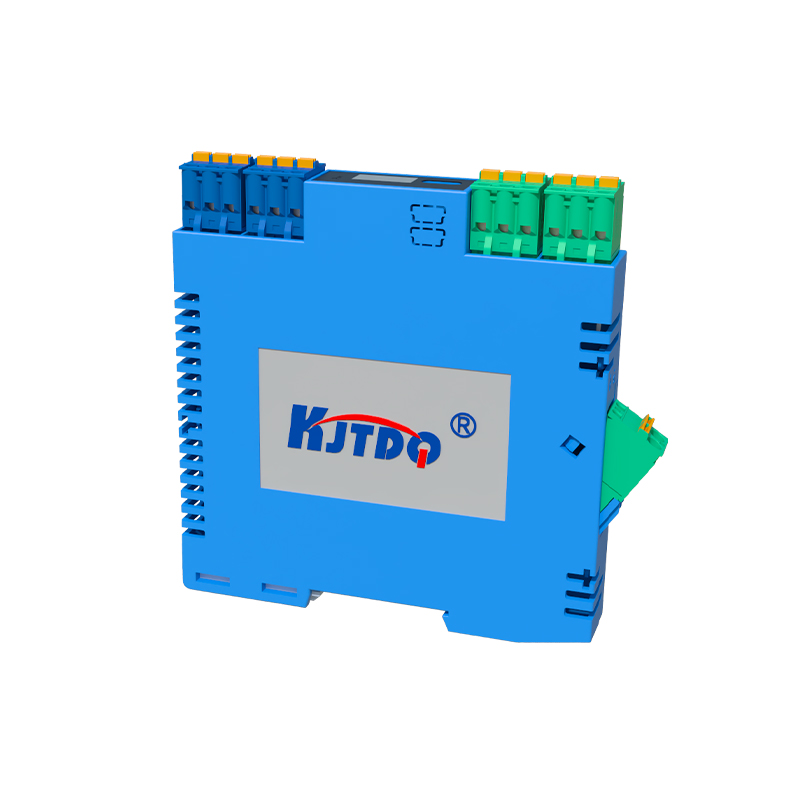
Third, ultrasonic proximity sensors use sound waves to measure distance and detect objects, regardless of material composition. Known for their long-range capabilities and accuracy, they are favored in logistics, agriculture, and automotive parking systems. Companies like Banner Engineering and SICK AG produce ultrasonic sensors with advanced features like temperature compensation and noise filtering, ensuring reliable performance in outdoor or variable conditions. These sensors are particularly valuable for applications requiring precise positioning or obstacle avoidance in automated guided vehicles (AGVs).
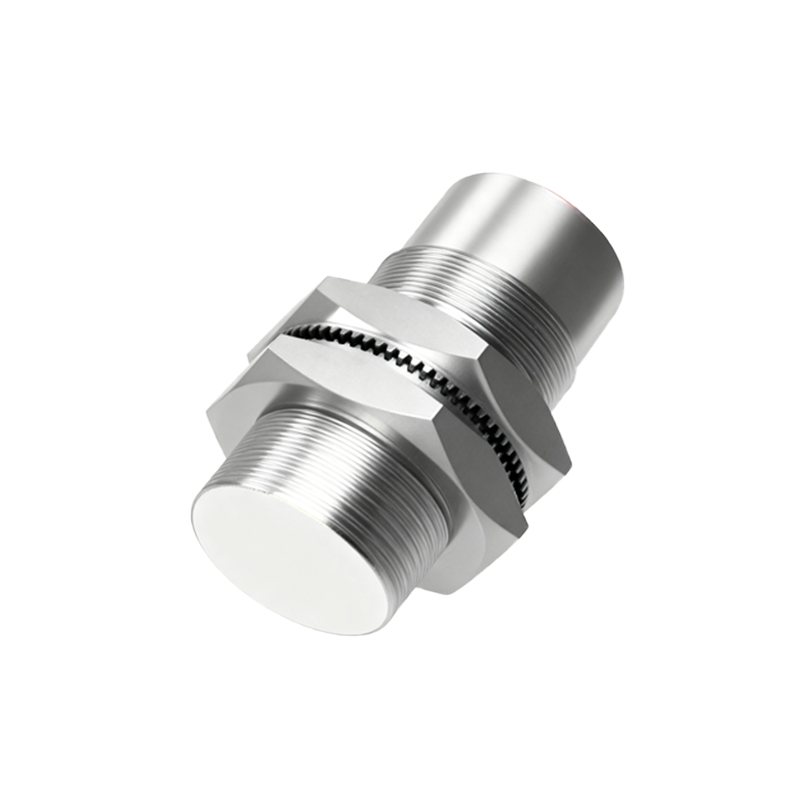
Fourth, photoelectric proximity sensors, which employ light beams for detection, are celebrated for their high speed and flexibility. Available in through-beam, retro-reflective, and diffuse models, they suit a range of environments from clean rooms to rugged factories. Key players like Keyence and Rockwell Automation offer photoelectric sensors with infrared or laser technology, enabling detection of small or transparent objects with millisecond response times. In electronics manufacturing and packaging lines, these sensors enhance efficiency by enabling rapid sorting and quality checks.
Fifth, magnetic proximity sensors, often based on reed switches or Hall effect technology, are specialized for detecting magnetic fields, commonly in safety systems or position sensing. They are compact, energy-efficient, and resistant to contaminants, making them popular in automotive braking systems, door controls, and renewable energy setups. Manufacturers like Honeywell and TE Connectivity have innovated with solid-state magnetic sensors that provide high reliability in extreme temperatures, supporting applications in aerospace and industrial machinery.
The global market for proximity switch sensors is driven by trends like Industry 4.0 and IoT integration, with smart sensors offering connectivity for predictive maintenance and data analytics. When selecting a sensor, engineers must consider factors such as sensing range, environmental conditions, material compatibility, and output type (e.g., PNP/NPN). Regular calibration and adherence to international standards (e.g., IEC 60947-5-2) are essential for optimal performance. As technology advances, emerging innovations like miniaturization and enhanced energy efficiency are set to redefine sensor capabilities, further solidifying their role in automated systems worldwide.