Proximity sensors, the silent workhorses of modern automation, have evolved far beyond simple detection tasks. These non-contact devices, capable of identifying the presence or absence of an object within a defined range without physical touch, are now foundational to efficiency, safety, and innovation. Their application scope spans from the palm of your hand to sprawling industrial complexes, driven by diverse technologies like inductive, capacitive, ultrasonic, and photoelectric sensing.
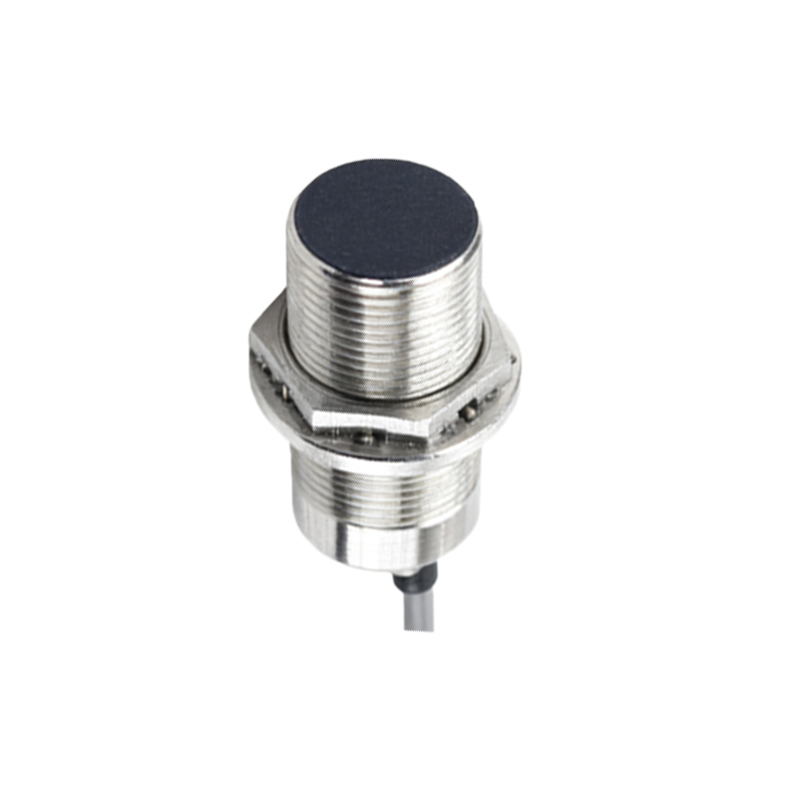
In the industrial manufacturing sector, proximity sensors are indispensable for automation and control. On assembly lines, inductive sensors reliably detect metallic components, ensuring precise positioning of parts for robotic arms. They monitor the speed and position of conveyor belts, trigger counting mechanisms, and provide essential feedback for programmable logic controllers (PLCs). In machine tools, they act as limit switches, preventing over-travel and protecting expensive equipment from damage. The harsh environments of factories—filled with dust, vibration, and coolant—demand the robustness that many proximity sensors provide.
The automotive industry leverages these sensors extensively for both production and within the vehicle itself. During manufacturing, they ensure correct part placement in welding and assembly robots. In modern vehicles, proximity sensors enable keyless entry systems, activate power tailgates when a foot gesture is detected, and form the core of parking assistance systems. Ultrasonic sensors embedded in bumpers measure distances to obstacles, providing audible or visual warnings to the driver and enabling semi-autonomous parking functions.
Consumer electronics represent a ubiquitous and growing application field. The smartphone is a prime example, where an infrared or capacitive proximity sensor detects when the phone is held to the ear. This simple function deactivates the touchscreen to prevent accidental inputs and turns off the display to save battery life. Similarly, automatic faucets, soap dispensers, and hand dryers in public restrooms use infrared sensors for hygienic, hands-free operation. Interactive kiosks and touchless switches also rely on this technology.
In the realm of aerospace and aviation, reliability is paramount. Proximity sensors monitor landing gear deployment and lock status, detect door closures, and monitor turbine blade tip clearance in jet engines. Their ability to function in extreme temperatures and high-vibration environments makes them critical for flight safety and system diagnostics.
The food and beverage and pharmaceutical industries often require sanitary, washdown-safe sensors. Capacitive proximity sensors can detect non-metallic materials like glass, plastic, and liquid levels through container walls. They are used to detect fill levels in bottles, presence of packaging materials, and ensure proper capping on production lines. Their sealed housings withstand high-pressure cleaning, maintaining hygiene standards.
Emerging applications continue to push boundaries. In robotics, arrays of proximity sensors provide a sense of "touch" or near-field awareness, allowing robots to navigate cluttered spaces safely alongside humans. In smart agriculture, they monitor grain levels in silos. Even in building automation, they contribute to energy savings by controlling lighting and HVAC systems based on room occupancy detected by motion-sensing variants.
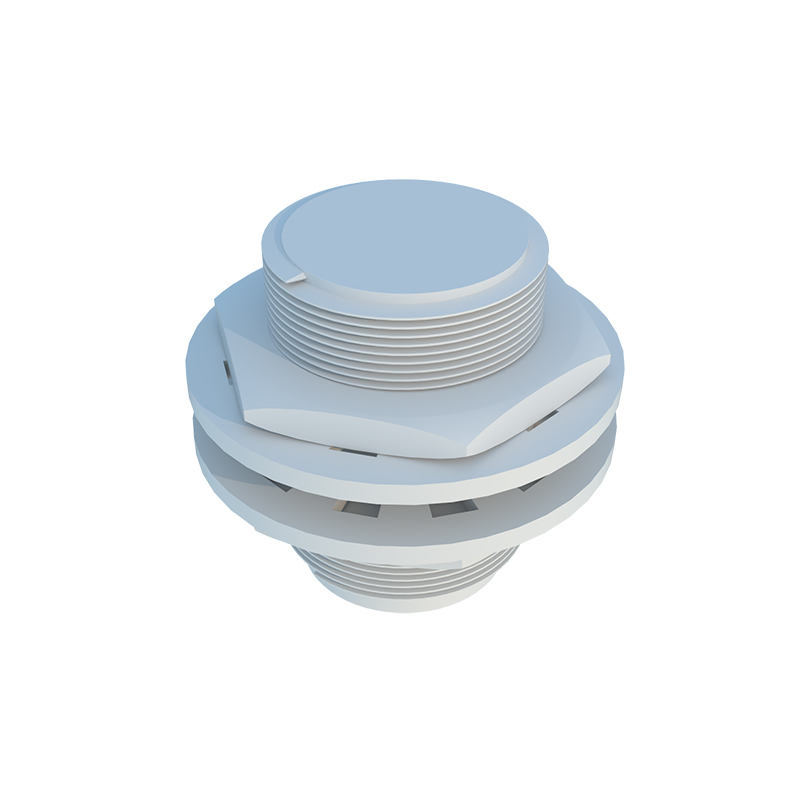
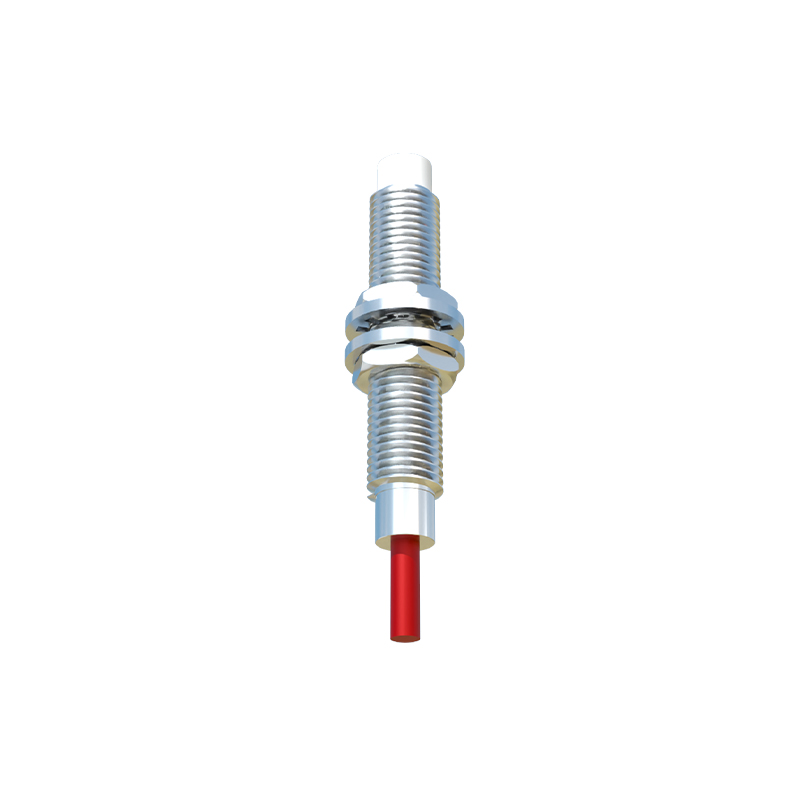
The selection of a proximity sensor depends on the target material, required sensing distance, environmental conditions, and output needs. Inductive sensors excel with metals, capacitive sensors handle a wider range of materials including liquids, ultrasonic sensors are ideal for longer ranges and challenging surfaces, and photoelectric sensors offer great versatility for precise detection.
From enhancing user convenience in everyday devices to ensuring precision and safety in critical industrial processes, the application range of proximity sensors is vast and continually expanding. Their role as a fundamental enabling technology for the Internet of Things (IoT) and Industry 4.0 is solidifying, making them a cornerstone of our increasingly automated and intelligent world.