In the world of automation, electronics, and smart devices, proximity sensors are the silent workhorses. From preventing your smartphone screen from turning off during a call to ensuring robotic arms operate safely, these devices detect the presence or absence of nearby objects without physical contact. A common and crucial question for engineers, designers, and hobbyists alike is: how much power does a proximity sensor actually consume? The answer is not a single figure but a spectrum, influenced by technology, design, and operational mode.
At its core, power consumption for any electronic component is measured in watts (W) or, more commonly for small sensors, in milliwatts (mW). For proximity sensors, power draw is typically low, but it can range from microwatts (µW) for ultra-low-power variants to several watts for heavy-duty industrial models. The primary factors determining this consumption are the sensing technology and the sensor's operational state.
Let's break down the power profiles of the most common proximity sensor types:
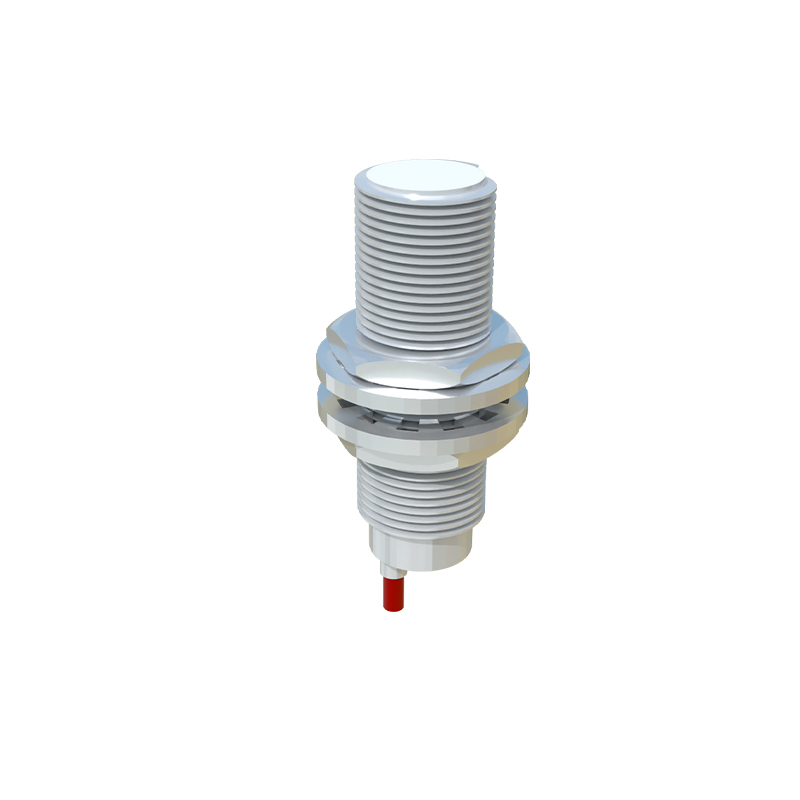
Inductive and Capacitive Sensors: Widely used in industrial automation, these sensors are known for reliability. A standard 12-24V DC inductive sensor might have a quiescent (idle) current draw of 10-20 milliamps (mA). At 24V, this translates to 0.24 to 0.48 watts. When activated (detecting a metal object), the current draw might increase slightly. Their power use is consistent but relatively higher than some digital options.
Ultrasonic Sensors: These sensors emit sound waves and measure their echo. Power consumption is highly dependent on the measurement cycle. A typical module might consume 15-20 mA during the active ping phase but drop to a few milliamps in sleep mode. Average consumption can be managed through careful programming, often sitting in the 0.1W to 0.5W range during active duty cycles.
Infrared (IR) and Photoelectric Sensors: These use light beams. Simple IR proximity sensors, like those in phones, are incredibly frugal, often drawing less than 1 mA (around 0.005W at 5V) when carefully managed. Larger, modulated photoelectric sensors for industrial use may draw 20-50 mA (0.25W to 1.2W at 24V) to power a stronger emitter and receiver circuit.
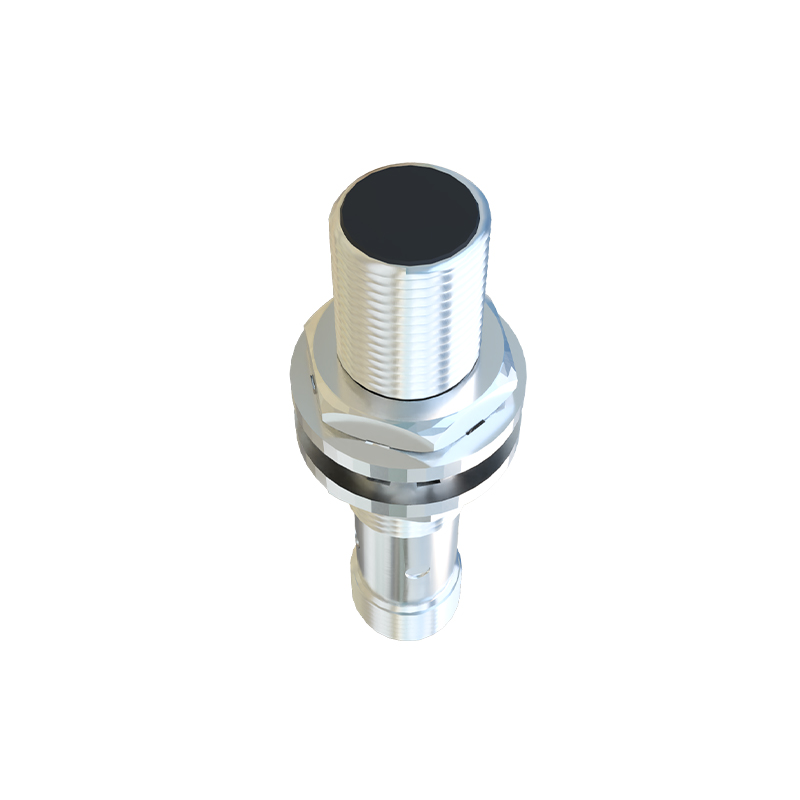
Magnetic (Hall Effect) Sensors: These are among the most power-efficient. A digital Hall-effect sensor can easily operate on a supply current of 5-10 mA (0.025W to 0.05W at 5V), with some nano-power versions drawing less than 1 µA in sleep mode, making them ideal for battery-powered applications.
The modern trend, especially for IoT and portable devices, is toward ultra-low-power operation. This is achieved not just through chip design but via smart operational modes:
Continuous Sensing: The sensor is always on, leading to constant power draw. Simple but inefficient for battery life.
Polling/Wake-on-Approach: The sensor sleeps (drawing µW) and wakes up at predefined intervals to check for objects. This reduces average consumption significantly.
Interrupt-Driven: The sensor sleeps indefinitely until a specific event (like a preliminary passive infrared detection) triggers the main active sensor. This offers the lowest average power, crucial for devices that must last years on a coin cell battery.
For example, a proximity sensor in a modern smartphone is designed to be interrupt-driven and may have an average power consumption measured in microwatts, contributing negligibly to daily battery drain. In contrast, a large ultrasonic sensor continuously monitoring liquid level in a tank might consume a steady 0.8 watts.
When selecting a sensor, considering power is vital for system design. For mains-powered industrial panels, sensor power is often a secondary concern to reliability and range. For battery-powered devices, it becomes a primary constraint. Always consult the sensor's datasheet, focusing on key parameters: Supply Voltage (V), Quiescent Current (Iq), Active Current, and any Sleep/Standby Current specifications. Multiplying voltage by current gives you power in watts.
In conclusion, asking "how much power" requires asking further questions: What technology? What is its duty cycle? What is the supply voltage? While a ballpark figure for common sensors might be between 0.01W and 1W, understanding the underlying factors enables optimal selection for energy efficiency, cost, and performance, ensuring your application runs smoothly without an unexpected power burden.