In the dynamic industrial landscape of Dazhou, a city known for its significant contributions to sectors like natural gas, chemicals, and manufacturing in Sichuan Province, the role of precision and automation cannot be overstated. At the heart of many automated systems and safety mechanisms lies a critical component: the proximity switch sensor. This guide delves into the functionality, types, applications, and selection criteria for these essential devices within the Dazhou context.
A proximity switch sensor, often simply called a proximity sensor, is a non-contact electronic device designed to detect the presence or absence of an object within its sensing range without any physical contact. It operates by emitting an electromagnetic field or a beam of electromagnetic radiation (like infrared light), and then looking for changes in the field or return signal. The primary advantage is the elimination of mechanical wear and tear, leading to higher reliability, longer service life, and the ability to detect fragile or small objects that might be damaged by physical switches.
Several types of proximity sensors are prevalent in Dazhou's industrial applications. Inductive proximity sensors are among the most common. They detect metallic objects, primarily ferrous metals like iron and steel, which are extensively used in local machinery and automotive parts manufacturing. These sensors generate an oscillating electromagnetic field. When a metal object enters this field, it induces eddy currents, causing a change in oscillation that the sensor detects. Capacitive proximity sensors, on the other hand, can detect both metallic and non-metallic materials such as plastics, liquids, powders, and wood. This makes them suitable for Dazhou's chemical and packaging industries, where material variety is high. They work by sensing changes in capacitance caused by the presence of any material that alters the dielectric constant of the space between the sensor and the target. For longer-range detection or specific material requirements, ultrasonic and photoelectric sensors are also employed. Photoelectric sensors use light beams and are excellent for detecting objects regardless of material, while ultrasonic sensors use sound waves, effective in challenging environments with dust or vapor, common in some industrial settings.
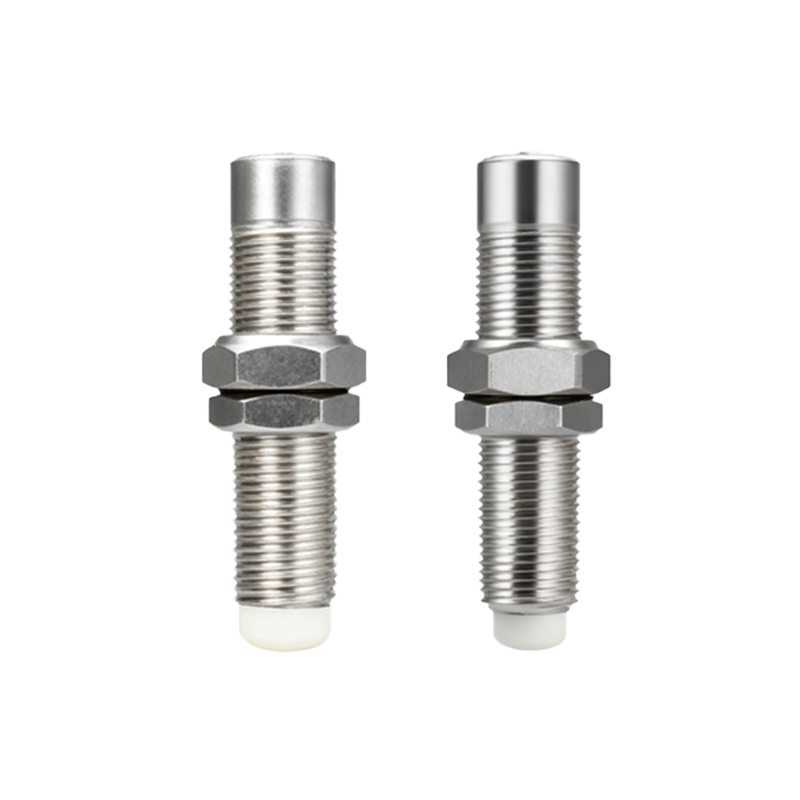
The applications within Dazhou are vast and integral to operational efficiency and safety. On automated production lines, these sensors are used for precise object counting, positioning control of robotic arms, and verifying the presence of components on conveyor belts. In the realm of machine safety, they serve as vital components in safety interlocks on heavy machinery, ensuring guards are in place before operation commences, thereby protecting workers. They are also crucial in material handling systems for level detection in silos or tanks—monitoring the levels of grains, chemicals, or other bulk materials. Furthermore, in the automotive and machinery assembly plants, they ensure precise alignment and assembly by confirming part placement.
Selecting the right proximity switch sensor for an application in Dazhou requires careful consideration of several factors. First, the sensing distance, which must be chosen with a margin to account for installation tolerances and potential object variations. The target material is paramount; choosing an inductive sensor for a plastic bottle cap detection would lead to failure. Environmental conditions in Dazhou's industrial zones, such as temperature extremes, presence of oil, coolants, or dust, dictate the required ingress protection (IP) rating of the sensor housing. Output type is another key decision; sensors typically provide digital signals (like NPN or PNP transistor outputs) to interface directly with Programmable Logic Controllers (PLCs) or other control systems ubiquitous in modern factories. Finally, physical size and mounting style must align with the spatial constraints of the machinery.
For businesses and engineers in Dazhou, sourcing high-quality proximity sensors involves engaging with reputable suppliers who understand local industrial demands. Regular maintenance, though minimal, involves keeping the sensing face clean from debris and periodically checking for proper alignment and electrical connections to ensure continuous, fault-free operation. As Dazhou continues to advance its industrial base, integrating smart sensors with IoT capabilities for predictive maintenance and data analytics represents the next frontier, further enhancing productivity and operational intelligence.