In the world of automation and smart technology, detecting the presence or absence of an object without physical contact is a fundamental task. This is where proximity sensors come into play. Among the various types available, proximity sensors that incorporate magnets—often referred to as magnetic proximity sensors or reed switch-based sensors—offer a unique and highly reliable solution for specific applications. Unlike optical or capacitive sensors, these devices utilize magnetic fields to trigger a response, making them exceptionally robust in challenging environments.
At the heart of a magnetic proximity sensor is a simple yet ingenious component: the reed switch. This switch consists of two ferromagnetic, flexible metal reeds sealed within a glass tube filled with an inert gas. The reeds are positioned so that their ends overlap slightly but do not touch. When a permanent magnet is brought within a certain range—the sensing distance—the magnetic field causes the two reeds to magnetize and attract each other, bending until they make contact and close the electrical circuit. When the magnet is removed, the reeds' natural spring force pulls them apart, breaking the circuit. This "make or break" action is the fundamental principle. In a typical setup, the sensor housing contains the reed switch, while a separate permanent magnet is attached to the moving object to be detected. The sensor detects the magnet's approach or departure.
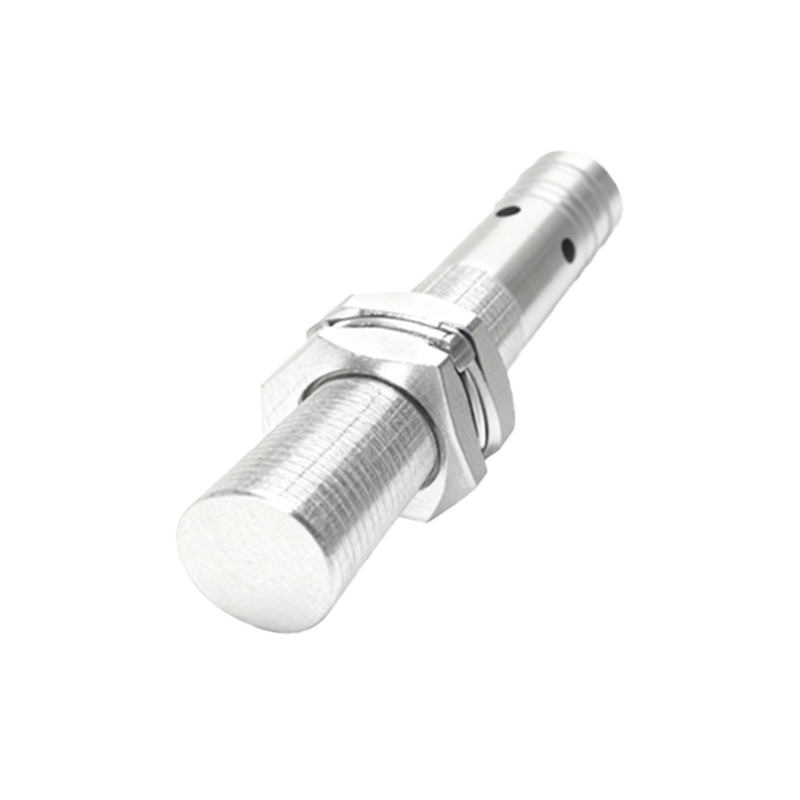
The primary advantage of this magnetic design is its remarkable immunity to environmental factors. Because the sensitive contacts are hermetically sealed in glass, they are completely protected from dust, dirt, moisture, oil, and corrosive atmospheres. This makes magnetic proximity sensors ideal for use in washdown areas, outdoor equipment, automotive applications under the hood, and heavy industrial machinery where contaminants are prevalent. They are also unaffected by ambient light, color, or surface texture of the target object, concerns that often plague optical sensors. Their operation is purely magnetic.
Another significant benefit is their longevity and reliability. With no mechanical wear between the sensor and the magnet (as the switching action happens inside the sealed reed switch), and no moving parts exposed to the environment, these sensors can endure hundreds of millions of switching cycles. They are also inherently safe in explosive atmospheres because the sealed switch cannot generate sparks outside its enclosure. The sensing is also typically binary—either fully on or off—providing a clear, unambiguous signal.
However, these sensors have specific limitations. The sensing distance is relatively short, usually ranging from a few millimeters to about 50 millimeters, depending on the magnet's strength and sensor design. The target must be a magnet; they cannot detect standard ferrous or non-ferrous metals like inductive or capacitive sensors can. The strength of the magnetic field is also critical; if it's too weak, the sensor won't activate, and if it's too strong or misaligned, it might cause the reeds to stick closed.
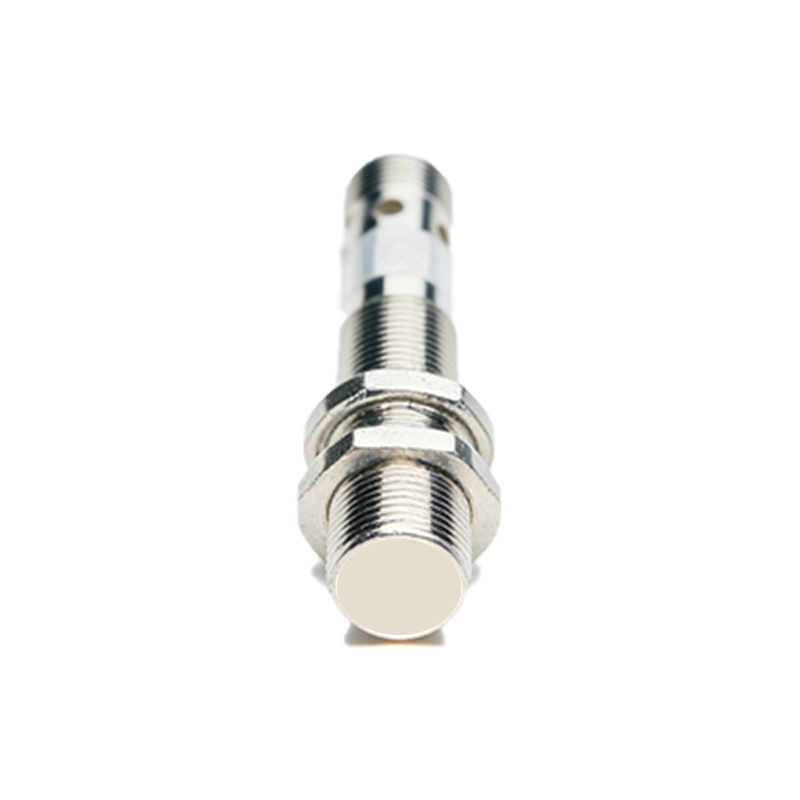
So, where do we find these workhorses in action? Their applications are vast and critical. A classic example is in door and window security systems, where a sensor on the frame and a magnet on the door/window detect openings. In the automotive industry, they are used to detect the position of seats, hoods, trunks, and gear selectors. In industrial cylinders, a magnet embedded in the piston is detected by a sensor on the cylinder body to provide precise end-of-stroke position feedback. They are ubiquitous in home appliances like washing machines (lid position) and refrigerators (door ajar). Medical devices, vending machines, and even simple DIY projects utilize them for reliable, low-power switching.
When selecting a magnetic proximity sensor, key parameters to consider include the sensing distance, the type of output (normally open or normally closed), the operating voltage and current, the housing material (often nickel-plated brass or stainless steel for durability), and the temperature range. Proper installation is also crucial, ensuring correct alignment between the sensor and magnet for optimal performance.
In conclusion, proximity sensors with magnets provide a elegantly simple, extraordinarily durable, and environmentally tough solution for non-contact position sensing. While not suitable for every detection task, their unique combination of sealed reliability, insensitivity to dirt, and long operational life ensures they remain an indispensable component in the designer's toolkit for applications where failure is not an option. Their silent, magnetic operation continues to be a cornerstone of reliability in both everyday gadgets and complex industrial systems.