Proximity sensors are critical components in modern towing vehicles, ensuring safe and efficient operations by detecting the presence of objects or other vehicles without physical contact. These sensors, often based on inductive, capacitive, or ultrasonic technologies, play a vital role in automated braking systems, collision avoidance, and parking assistance. However, like all electronic components, they are susceptible to various faults that can compromise vehicle safety and performance. Understanding these common issues and their troubleshooting methods is essential for maintenance engineers and fleet operators.
One of the most frequent problems encountered with proximity sensors is false triggering or failure to detect objects. This can stem from environmental factors such as dirt, mud, or ice accumulation on the sensor surface, which obstructs the detection field. In industrial or off-road settings, towing vehicles often operate in harsh conditions where sensors are exposed to contaminants. Regular cleaning with appropriate solvents and ensuring proper sealing can mitigate this issue. Additionally, electromagnetic interference (EMI) from nearby high-voltage equipment or radio frequencies can disrupt sensor signals, leading to erratic behavior. Shielding the sensor cables and relocating them away from potential interference sources are effective countermeasures.
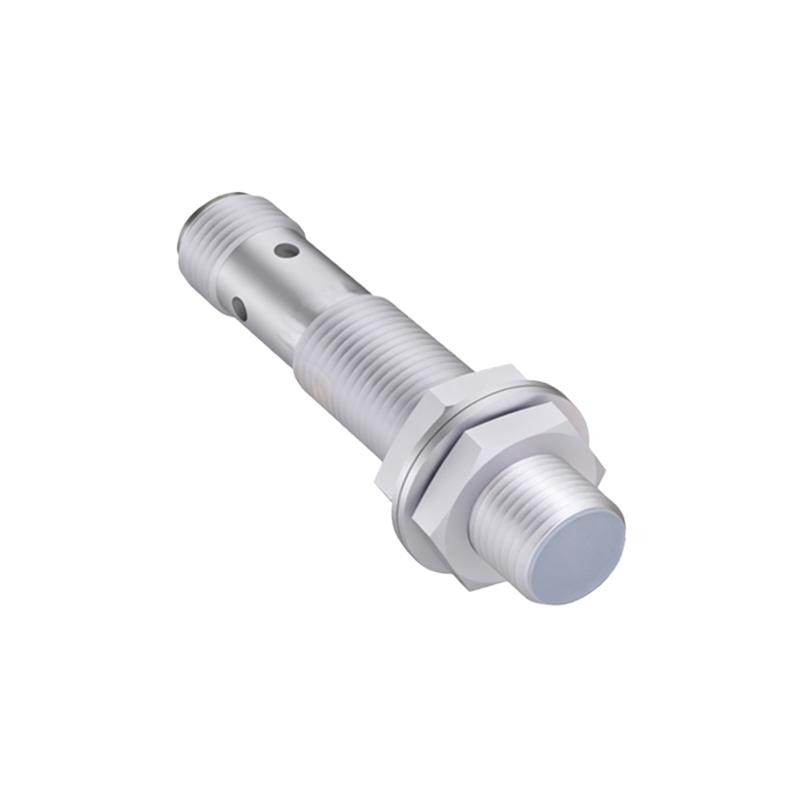
Another common fault involves sensor misalignment. Due to vibrations and mechanical shocks during towing operations, sensors may shift from their calibrated positions, resulting in inaccurate distance measurements. This misalignment can cause unnecessary braking or, worse, failure to activate safety systems when needed. Technicians should periodically verify sensor alignment using manufacturer-specified tools and recalibrate as necessary. It’s also advisable to inspect mounting brackets for wear or damage, as loose fittings can exacerbate alignment issues.
Electrical failures are equally prevalent. Over time, wiring harnesses connected to proximity sensors can suffer from corrosion, fraying, or short circuits, especially in areas exposed to moisture and chemicals. Voltage fluctuations in the vehicle’s electrical system may also damage sensor circuitry. Using a multimeter to check for consistent power supply and signal output is a standard diagnostic step. If the sensor receives power but produces no signal, internal component failure—such as a damaged oscillator in inductive sensors—might be the cause. In such cases, replacement is often more cost-effective than repair.
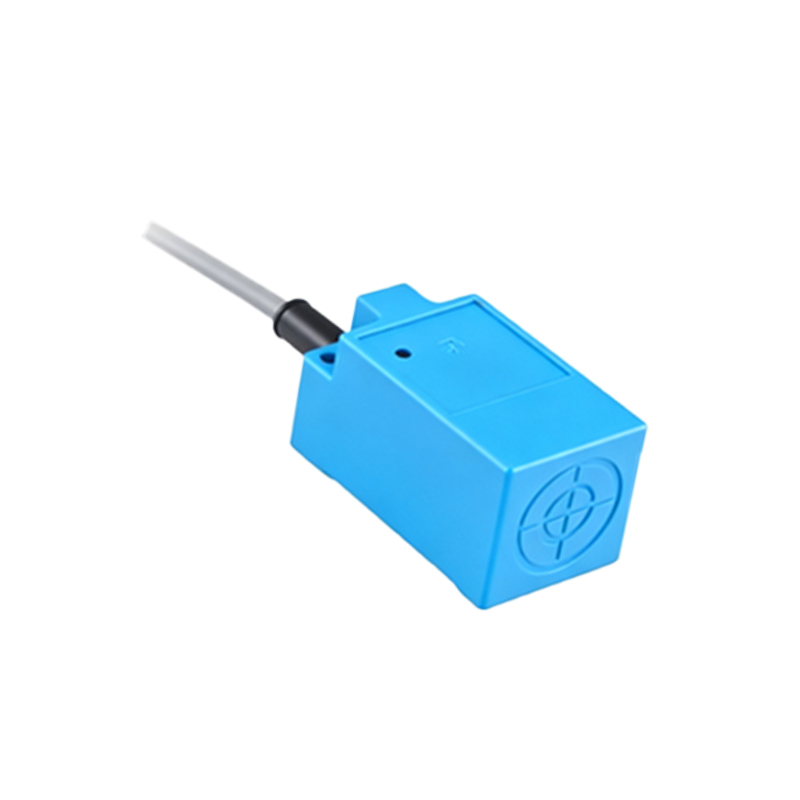
Temperature extremes pose another challenge. Proximity sensors have specified operating ranges, and exceeding these limits can lead to temporary malfunction or permanent damage. For instance, in extremely cold environments, sensor response times may slow down, while excessive heat can cause thermal drift, altering detection thresholds. Selecting sensors rated for the vehicle’s operational climate and ensuring adequate ventilation around electronic units can prevent temperature-related failures.
Software and calibration issues should not be overlooked. Modern towing vehicles integrate sensors with onboard computer systems, and outdated firmware or incorrect calibration parameters can lead to performance degradation. Regularly updating software and following calibration protocols during maintenance checks are crucial. Diagnostic tools provided by manufacturers can help identify software glitches and reset sensors to factory defaults if needed.
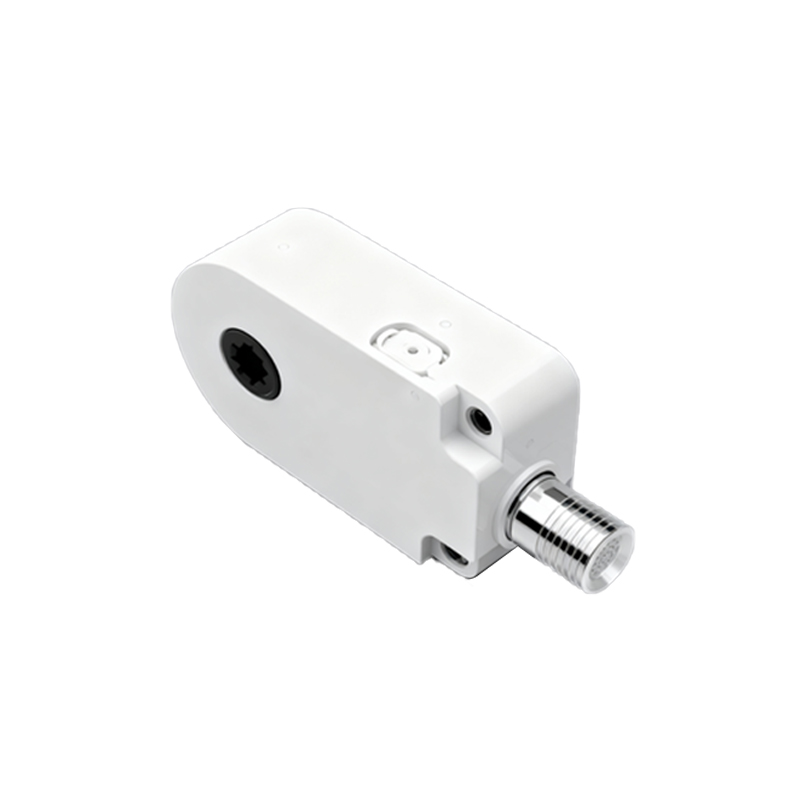
Preventive maintenance is key to minimizing proximity sensor faults. Implementing a schedule that includes visual inspections, functional tests, and environmental assessments can extend sensor lifespan. Training operators to recognize early warning signs, such as intermittent alerts or reduced system responsiveness, also aids in proactive troubleshooting. When faults persist, consulting technical manuals and leveraging manufacturer support ensures accurate diagnosis and repair.
In summary, while proximity sensors enhance the safety and automation of towing vehicles, they require diligent maintenance to function reliably. By addressing common issues like contamination, misalignment, electrical faults, temperature effects, and software errors, engineers can uphold operational standards and prevent costly downtime. As technology advances, newer sensor models with improved durability and self-diagnostic features may reduce these challenges, but a foundational understanding of current troubleshooting practices remains indispensable.