In the world of industrial automation and electronic systems, the reliable detection of metallic objects is a fundamental task. Among various metals, copper presents a unique set of characteristics that influence how proximity sensors interact with it. Unlike ferrous metals like iron or steel, copper is a non-ferrous, highly conductive material. This distinction is crucial for understanding the operation and selection of proximity sensors designed to detect it.
The core principle behind detecting copper with proximity sensors often revolves around electromagnetic fields. The most common sensor type employed for this purpose is the inductive proximity sensor. These sensors generate an oscillating electromagnetic field from a coil. When a metallic object enters this field, eddy currents are induced on the surface of the object. For ferrous metals, the effect is twofold: eddy currents are generated, and the metal's magnetic permeability distorts the field, leading to a strong detection signal. Copper, however, is non-ferrous and has high electrical conductivity but low magnetic permeability. Therefore, its detection primarily relies on the energy loss caused by the induced eddy currents, which dampens the sensor's oscillation. The sensor's circuitry monitors this damping and triggers a switching output when a specific threshold is reached.
It is critical to note that the sensing distance for copper is typically shorter than for steel. Manufacturers specify a standard sensing distance (Sn) for a mild steel target of defined size. For copper, a correction or reduction factor, often between 0.3 and 0.5, must be applied. This means if a sensor has an 8mm range for steel, its effective range for copper might only be 2.4mm to 4mm. This reduced efficiency is a direct result of copper's physical properties. Failing to account for this factor during system design can lead to unreliable detection.
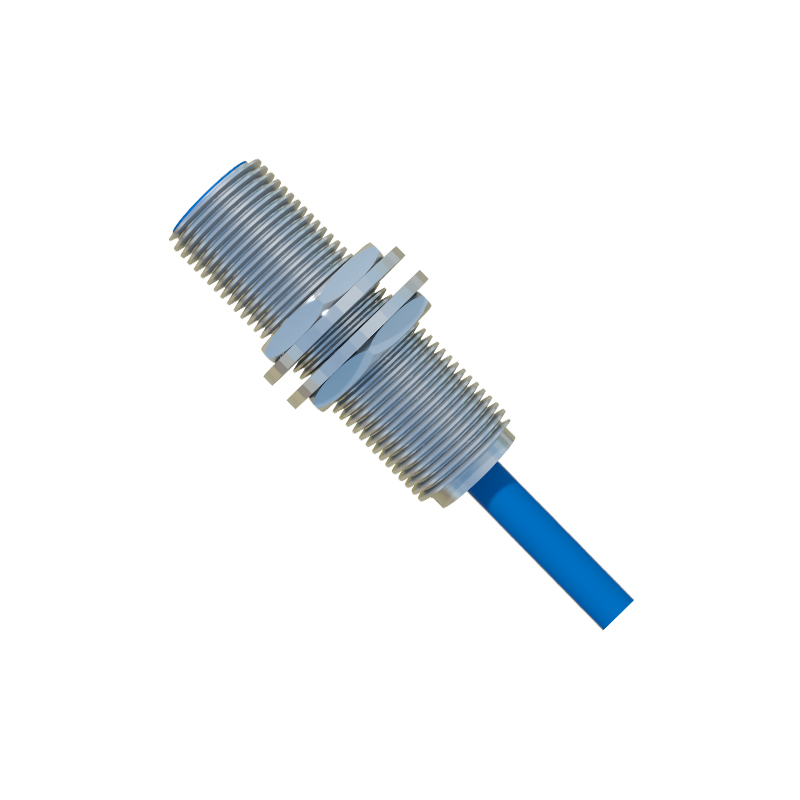
Beyond standard inductive sensors, specialized high-frequency oscillating sensors or capacitive proximity sensors can also be used. Capacitive sensors detect changes in capacitance and can sense both metallic and non-metallic materials. They can be effective for copper detection, especially if the application involves non-contact level sensing of copper granules or powders. However, they can also be more susceptible to environmental interference from moisture or other materials.
The applications for copper detection are widespread across industries. In electronics manufacturing, sensors verify the presence of copper traces on printed circuit boards (PCBs) or detect copper terminals in connectors. In metal fabrication and recycling, sorting systems use sensor arrays to separate copper pieces from other non-ferrous metals like aluminum or brass, a challenging task that often requires finely tuned sensors and advanced signal processing. In the automotive sector, sensors might monitor the position of copper-based components within assemblies. Furthermore, in transformer or motor production, ensuring the correct placement of copper windings is vital for quality control.
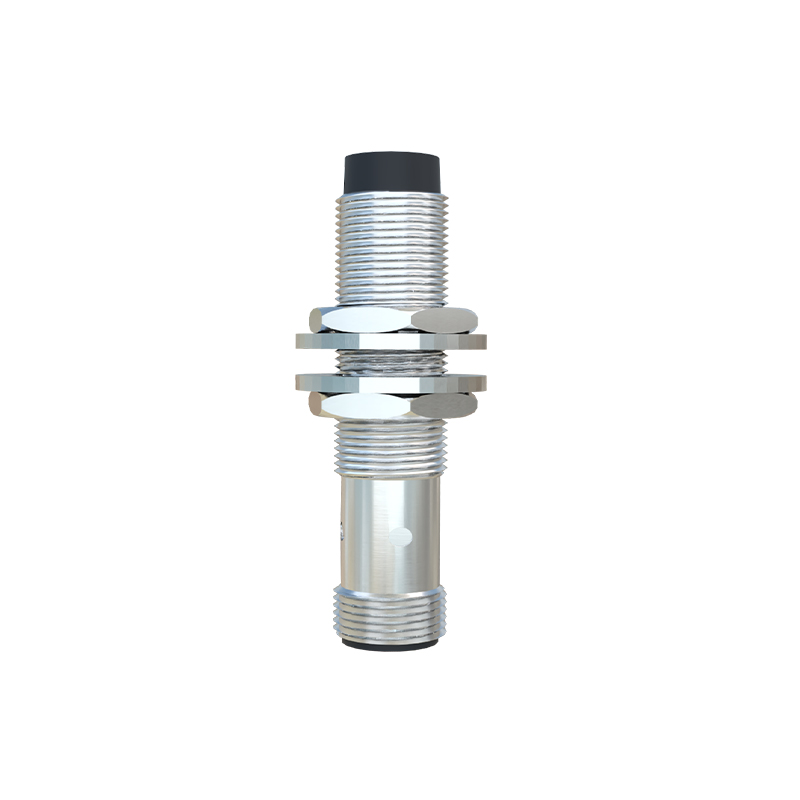
Selecting the right sensor involves several key considerations. First, the required sensing distance must be calculated using the manufacturer's reduction factor for copper. The sensor's housing material (e.g., nickel-plated brass, stainless steel) must be chosen to withstand the operating environment, which could involve coolants or abrasive dust. The output type (PNP/NPN analog or digital) must be compatible with the control system. Shielding is another factor; shielded (flush-mountable) sensors have a narrower, more directed field, making them suitable for installation in metal brackets, while unshielded sensors offer a longer range but require non-metallic surroundings.

Despite technological advances, challenges persist. The most significant is distinguishing copper from other non-ferrous metals with similar conductivity, such as aluminum or silver-plated parts. In precise sorting applications, simple inductive sensors may be insufficient, leading to the use of frequency-based discrimination or more complex sensor fusion systems. Environmental factors like temperature extremes, conductive dust, or the presence of other nearby metals can also affect performance, necessitating proper sensor mounting and environmental sealing.
Regular maintenance and calibration are essential for long-term reliability. The sensing face must be kept clean from contaminants like oil or metallic swarf that could create a false signal or dampen the effective range. System integrators should always refer to the specific sensor datasheet and perform real-world testing with the actual copper alloy and target size to be detected, as material composition and shape significantly influence the results.
In conclusion, detecting copper with proximity sensors is a well-established but nuanced practice. It demands a clear understanding of electromagnetic principles, careful attention to application-specific details, and informed sensor selection. By acknowledging the material's properties and the sensor's operational limits, engineers can design robust, reliable detection systems that leverage copper's unique role in modern technology and industry.