In industrial automation and electronic systems, proximity sensors play a critical role in detecting the presence or absence of objects without physical contact. Each proximity sensor is typically assigned a unique Serial Number (SN code), which serves as its identifier throughout its lifecycle. This SN code is essential for tracking, maintenance, and quality control processes.
The SN code on a proximity sensor usually consists of a combination of letters and numbers, encoding specific information such as manufacturing date, batch number, model type, and production location. For instance, a code like "PS-2023-08-15-001A" might indicate a proximity sensor manufactured on August 15, 2023, from batch 001, with variant A. This structured coding system helps manufacturers and users trace the sensor's origin, ensuring authenticity and compliance with industry standards.
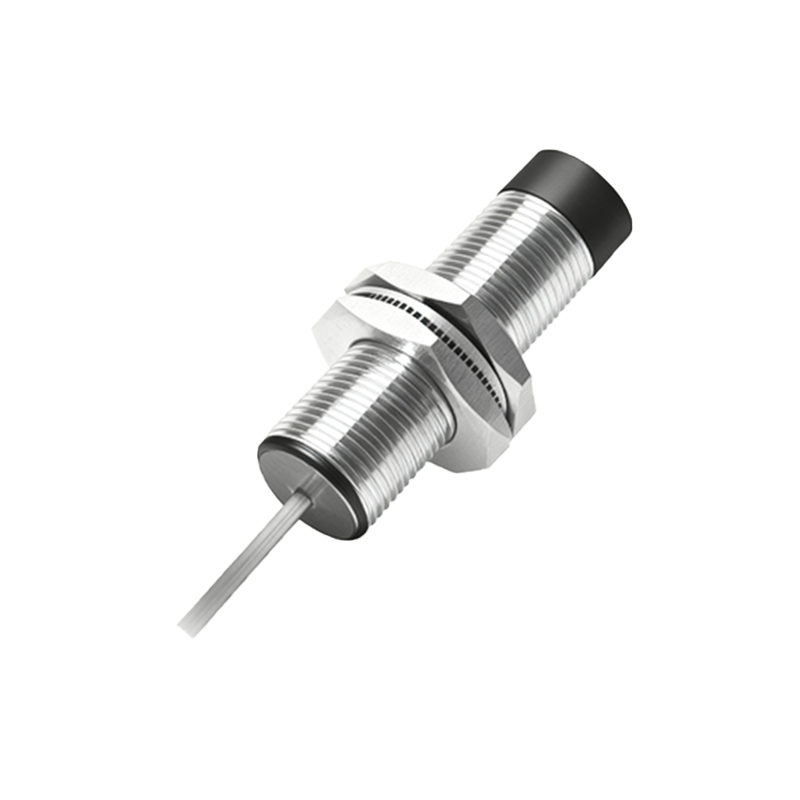
Why are SN codes important? Firstly, they enable efficient inventory management. Companies can monitor stock levels, track shipments, and reduce losses by scanning SN codes. Secondly, in case of malfunctions or recalls, the SN code allows quick identification of affected units, minimizing downtime and safety risks. Thirdly, for warranty claims, the SN code verifies purchase dates and eligibility, preventing fraud.
To locate the SN code on a proximity sensor, check the product label or engraving on the housing. It is often placed near the electrical connections or on a side panel. If the code is worn or damaged, referring to the original packaging or documentation can help. Some modern sensors also include QR codes or RFID tags linked to their SN codes for digital tracking.
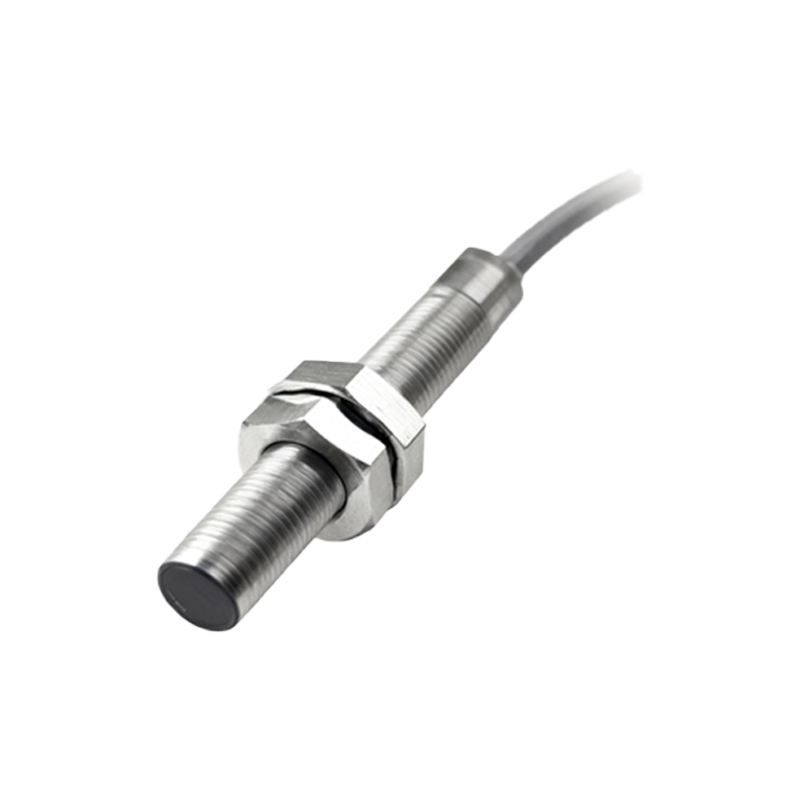
When integrating proximity sensors into systems, recording their SN codes in maintenance logs or asset databases is recommended. This practice aids in predictive maintenance, as historical data linked to SN codes can reveal patterns, such as frequent failures in specific batches. Additionally, during upgrades or replacements, matching SN codes ensures compatibility and optimal performance.
In global supply chains, SN codes support anti-counterfeiting efforts. Authentic sensors from reputable brands have unique, verifiable codes, while counterfeit products often lack them or use duplicate codes. Users can validate SN codes through manufacturer websites or dedicated apps, protecting their investments and system integrity.
Overall, the SN code is more than just a random string—it is a vital tool for transparency and reliability in using proximity sensors. By understanding and utilizing these codes, businesses enhance operational efficiency and ensure long-term sensor performance.