Proximity sensors are integral components in modern automation, robotics, and countless industrial applications. When businesses consider integrating these devices, understanding the cost structure of their manufacturing is crucial for budgeting, sourcing, and product development. The expense is not a single figure but a composite influenced by a multifaceted array of variables.
A primary cost driver is the underlying technology. Inductive sensors, detecting metallic objects, are often among the most cost-effective to produce, especially in standard sizes and ranges. Capacitive sensors, capable of sensing both metallic and non-metallic materials, involve slightly more complex electronics, leading to a higher manufacturing cost. Ultrasonic and photoelectric sensors, with their need for precise transducers or emitter/receiver pairs, sit at a higher tier. The most sophisticated, like LiDAR-based proximity systems, command a premium due to advanced laser and scanning components.
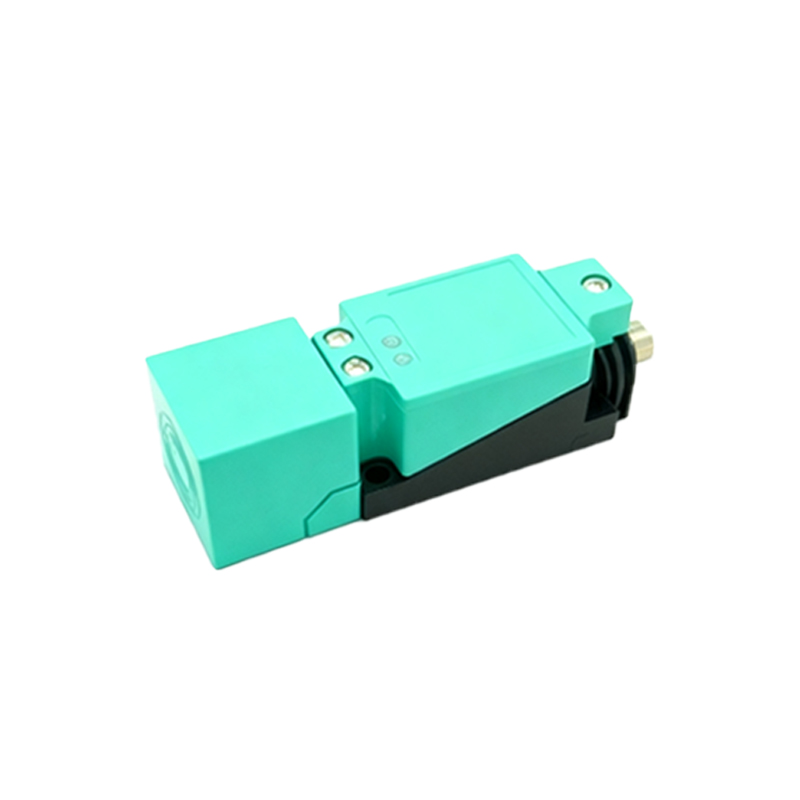
The bill of materials (BOM) constitutes the core of the expense. This includes the cost of the sensing element (coil, capacitor plate, ultrasonic transducer), the integrated circuit for signal processing, the housing material (often PBT plastic or stainless steel for industrial grades), and connectors. Fluctuations in the global prices of raw materials like copper, rare-earth elements for magnets, and semiconductors directly impact this cost layer. A sensor rated for IP67 or IP69K ingress protection requires more robust sealing and higher-quality materials, adding to the unit cost.
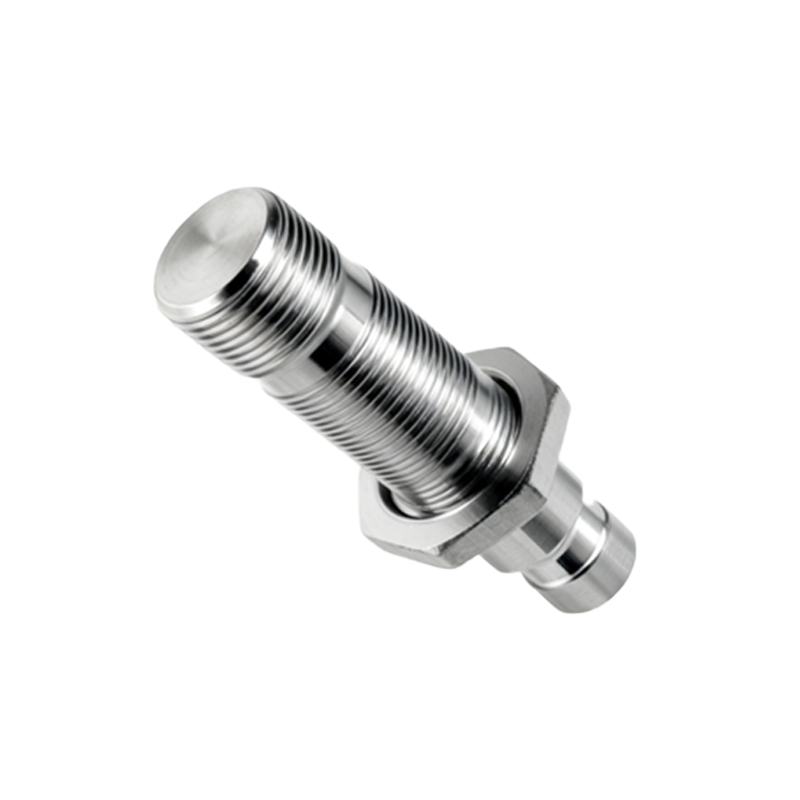
Production volume is perhaps the most significant lever on per-unit cost. High-volume orders allow manufacturers to achieve economies of scale. Bulk purchasing of components, optimized assembly line setups, and automated testing drastically reduce the average cost. Conversely, low-volume or custom-engineered sensors for specialized applications (extreme temperatures, high-pressure environments, unique form factors) incur high setup, programming, and validation costs, making them exponentially more expensive per unit.
The degree of integration and intelligence also affects price. A basic, two-wire DC sensor with a simple digital output is relatively inexpensive to manufacture. Adding features like analog output (4-20mA, 0-10V), programmability via IO-Link, short-circuit protection, temperature compensation, or diagnostic LEDs increases the complexity of the PCB and firmware, thereby raising costs. Furthermore, sensors that are part of a smart factory ecosystem, with built-in networking or wireless capabilities, involve additional modules and compliance testing (e.g., FCC, CE), adding to the expense.
Labor and geographic location of the manufacturing facility play a role. While automation is prevalent, assembly, quality control, and calibration require skilled labor. Regions with higher labor costs will naturally see this reflected in the price. However, this is often balanced by higher levels of automation and potentially lower logistics costs for certain markets.
Finally, costs beyond the unit price must be factored into the total cost of ownership. This includes expenses for quality certifications (ISO standards), reliability testing, research and development for next-generation products, and after-sales support. A supplier investing heavily in R&D and rigorous testing may have a higher unit price but delivers greater long-term value through reliability and innovation.
In conclusion, the manufacturing cost of a proximity sensor is a dynamic calculation. It ranges from a few dollars for a standard, high-volume inductive sensor to hundreds for a low-volume, highly customized intelligent system. A savvy buyer or designer must look beyond the sticker price, evaluating the sensor's technology, required features, expected volume, and the supplier's total value proposition to make a truly cost-effective decision for their specific application.