In the industrial automation sector, M18 proximity sensors are widely recognized for their reliability and versatility. These cylindrical sensors, with an 18mm diameter, are commonly used for object detection, position sensing, and automation control across various industries, including manufacturing, packaging, and automotive. The price of M18 proximity sensors varies significantly based on multiple factors, making it essential for engineers and procurement specialists to understand the market dynamics.
One primary determinant of M18 proximity sensor pricing is the sensing technology. Inductive sensors, designed for metal detection, are generally more affordable, with prices ranging from $20 to $80 per unit, depending on the brand and specifications. Capacitive sensors, capable of detecting non-metallic materials, tend to be slightly higher, typically between $30 and $100. Ultrasonic and photoelectric M18 sensors, offering longer sensing ranges or specialized functions, can cost from $50 to $150 or more. The choice of technology directly impacts performance and budget considerations.
Brand reputation plays a crucial role in pricing. Established manufacturers like Omron, Schneider Electric, and Sick often command premium prices due to their proven durability, accuracy, and after-sales support. Their M18 sensors may range from $40 to $120. In contrast, generic or lesser-known brands might offer similar specifications at lower costs, from $15 to $60, but may compromise on longevity or consistency. For critical applications, investing in reputable brands can reduce long-term maintenance expenses.
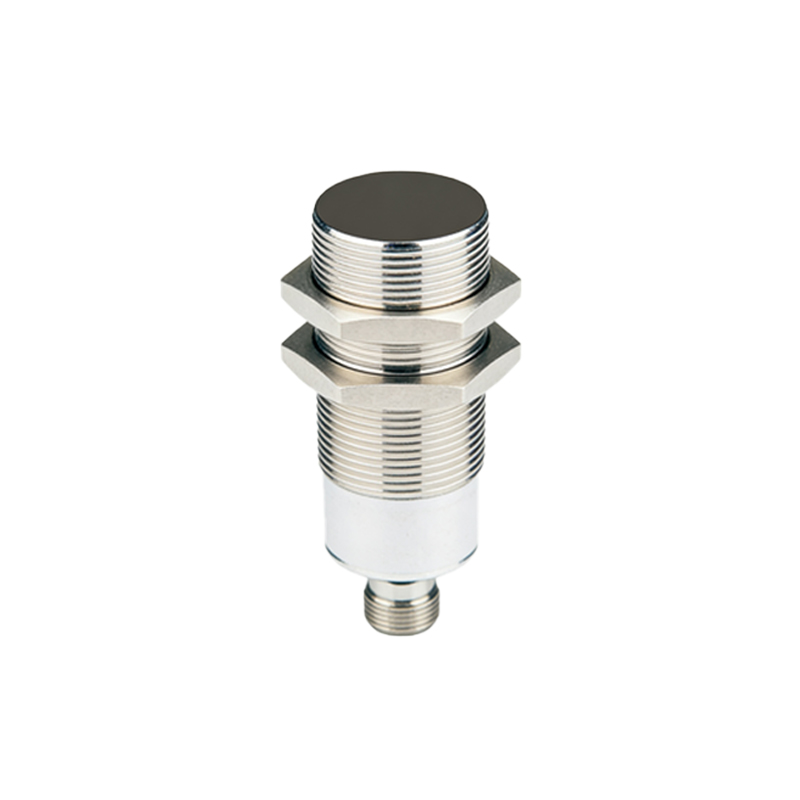
Additional features also influence costs. Sensors with extended sensing distances, higher switching frequencies, or enhanced environmental ratings (e.g., IP67 or IP69K for water and dust resistance) are priced higher. For instance, an M18 sensor with a 10mm sensing range might cost around $25, while one with a 15mm range could be $35. Analog output versions or those with IO-Link communication capabilities add $10 to $30 to the base price. Customization, such as specific cable lengths or connector types, further adjusts the final cost.
Market trends show that prices have stabilized in recent years, with slight fluctuations due to material costs and supply chain factors. The rise of Industry 4.0 has increased demand for smart sensors, pushing prices for advanced M18 models upward. However, competition among suppliers and the availability of online distributors have made budget-friendly options more accessible. Bulk purchasing, often through industrial suppliers or direct manufacturer contracts, can lead to discounts of 10% to 20%, making it a cost-effective strategy for large-scale projects.
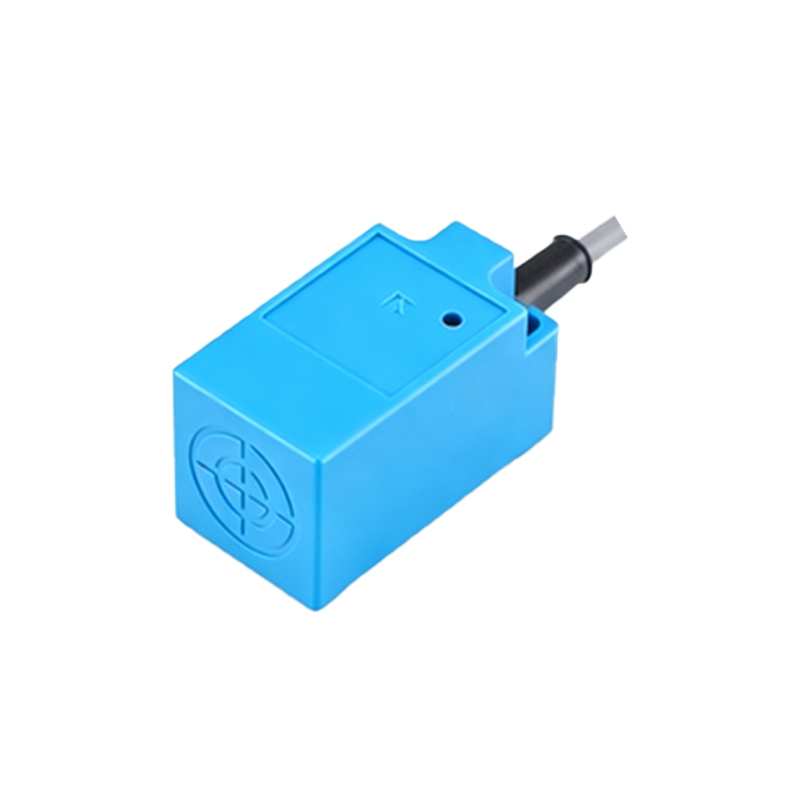
In summary, the price of an M18 proximity sensor is not a fixed value but a reflection of technology, brand, features, and market conditions. Engineers should balance initial costs with operational reliability, considering total cost of ownership. By evaluating specifications against application needs, one can select an optimal sensor that ensures efficiency without overspending. As automation continues to evolve, M18 sensors remain a key component, with pricing strategies adapting to meet diverse industrial requirements.