In the rapidly evolving landscape of industrial automation, the demand for precision, reliability, and space efficiency has never been higher. At the forefront of this technological revolution are companies specializing in ultra-compact proximity sensors. These miniature marvels are transforming how machines perceive their environment, enabling smarter, more responsive, and densely packed automated systems. Unlike traditional sensors, their diminutive size allows for installation in previously inaccessible locations, opening new frontiers in design and functionality.
Leading companies in this niche are not merely shrinking components; they are re-engineering sensing principles. By leveraging advanced materials, sophisticated ASIC (Application-Specific Integrated Circuit) design, and innovative packaging, these firms produce sensors that defy their physical dimensions. A key innovation is the use of high-frequency oscillation or advanced capacitive/inductive technologies in a footprint sometimes smaller than a fingernail. This allows for detection of metallic and non-metallic objects with astonishing accuracy and repeatability, often with sensing ranges that rival their larger predecessors.
The applications are vast and critical. In the electronics manufacturing sector, these sensors are indispensable for PCB assembly, ensuring microscopic components are placed correctly. In the burgeoning field of collaborative robotics (cobots), ultra-compact sensors provide the essential "sense of touch," allowing robots to work safely alongside humans by detecting the slightest intrusion into a shared workspace. The medical device industry relies on them for precise positioning in diagnostic equipment and surgical robots, where every millimeter counts. Furthermore, the automotive industry integrates them into advanced driver-assistance systems (ADAS) and next-generation vehicle assembly lines.
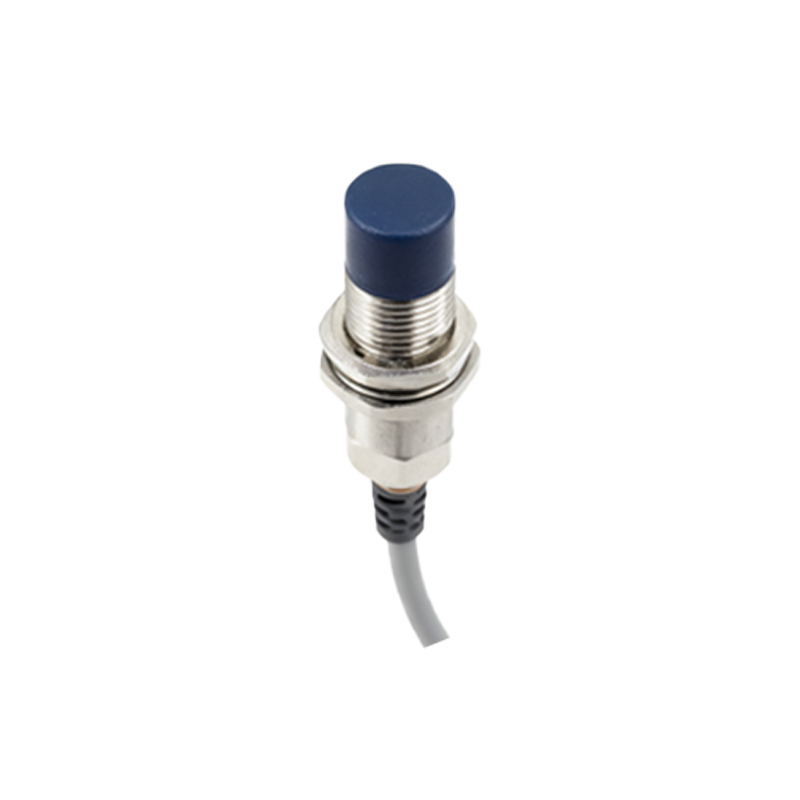
What sets the pioneering companies apart is their holistic approach. It's not just about the sensor itself, but the entire ecosystem. This includes robust digital interfaces (IO-Link, for instance) that facilitate predictive maintenance and easy integration into Industry 4.0 frameworks. They offer exceptional environmental resilience, with many products boasting IP67, IP68, or even IP69K ratings, making them resistant to water, oil, chemicals, and extreme temperatures. This durability ensures reliable operation in harsh factory floors, food processing plants, and outdoor applications.
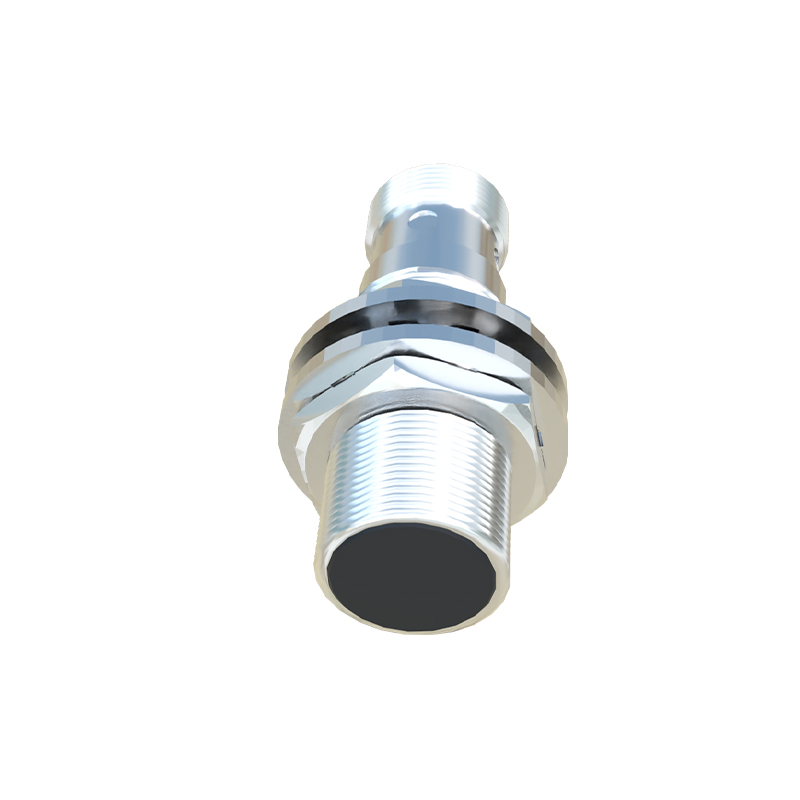
The competitive landscape features both established sensor giants with dedicated micro-sensor divisions and agile, innovative startups. The established players bring scale, extensive application knowledge, and global support networks. In contrast, the startups often push the boundaries with disruptive technologies, such as novel sensing principles or groundbreaking power management that enables wireless or energy-harvesting variants. This dynamic competition fuels rapid iteration and continuous performance enhancement.
For engineers and system integrators, selecting the right supplier involves careful consideration of several factors beyond size. Key parameters include the sensing range relative to the housing size, response frequency, output type (PNP/NPN, analog, digital), and supply voltage compatibility. Equally important is the supplier's technical support, customization capabilities, and proven track record in similar applications. The leading companies excel in providing comprehensive datasheets, 3D models for easy CAD integration, and responsive application engineering teams.
Looking ahead, the trajectory for ultra-compact proximity sensors points toward even greater intelligence and connectivity. The integration of onboard diagnostics and self-monitoring features is becoming standard. The next wave will likely see sensors with embedded machine learning capabilities, allowing them to not only detect presence but also classify materials or assess object conditions. Furthermore, the push for miniaturization will continue in tandem with the growth of micro-machines and portable smart devices.
In conclusion, the companies driving the ultra-compact proximity sensor market are fundamental enablers of modern industrial innovation. By mastering the complex interplay of physics, electronics, and materials science at a microscopic scale, they provide the essential eyes and touch for automated systems. Their products, though small in stature, deliver outsized impact on efficiency, safety, and design flexibility, solidifying their role as critical components in the automated factories and smart devices of today and tomorrow.