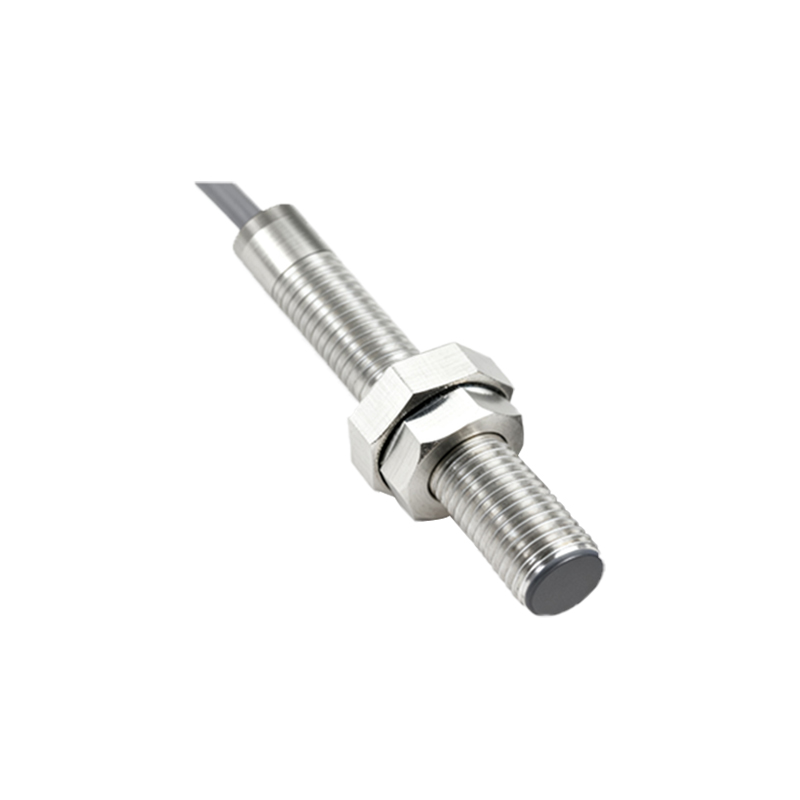
Proximity sensors, often referred to as proximity switches, are indispensable components in today's automated industrial environments. These devices detect the presence or absence of an object within a specified range without any physical contact, offering a reliable and efficient solution for numerous applications. Their utility spans across various sectors, including manufacturing, automotive, packaging, and robotics, making them a cornerstone of modern industrial automation.
At their core, proximity sensors operate on different principles, such as inductive, capacitive, ultrasonic, and magnetic sensing. Inductive proximity sensors, for instance, are ideal for detecting metallic objects. They generate an electromagnetic field and sense changes caused by metallic targets, making them perfect for harsh environments where dust, oil, or moisture is present. Capacitive sensors, on the other hand, can detect both metallic and non-metallic materials, including liquids and granular substances, by measuring changes in capacitance. Ultrasonic sensors use sound waves to gauge distance and detect objects, while magnetic sensors respond to magnetic fields, commonly used in conjunction with magnets for position sensing.
The primary function of proximity sensors is to provide precise, non-contact detection, which enhances operational efficiency and safety. In manufacturing lines, they are used for object counting, position verification, and end-of-travel detection. For example, in conveyor systems, proximity sensors ensure that products are correctly positioned for packaging or assembly, reducing errors and downtime. In robotics, these sensors enable accurate positioning of robotic arms, preventing collisions and ensuring smooth, coordinated movements. The automotive industry relies on them for tasks like detecting the position of components during assembly or monitoring fluid levels in tanks.
One of the key advantages of proximity sensors is their durability and low maintenance requirements. Since they do not require physical contact with objects, there is minimal wear and tear, leading to longer service life and reduced operational costs. They are also highly responsive, capable of detecting objects at high speeds, which is crucial in fast-paced production environments. Additionally, many proximity sensors are designed to withstand extreme conditions, such as high temperatures, vibrations, and corrosive atmospheres, ensuring reliable performance in demanding applications.
In safety systems, proximity sensors play a vital role by preventing accidents and equipment damage. They are integrated into machinery to detect when guards are open or when operators are too close to hazardous areas, triggering emergency stops or alarms. This non-contact nature eliminates the risk of mechanical failure associated with traditional limit switches, enhancing workplace safety. Moreover, in automated storage and retrieval systems, proximity sensors facilitate inventory management by tracking the movement of goods, optimizing space utilization, and improving logistics efficiency.
The integration of proximity sensors with programmable logic controllers (PLCs) and industrial networks further amplifies their usefulness. By providing real-time data, they enable predictive maintenance, process optimization, and quality control. For instance, in food processing, capacitive sensors can monitor fill levels in containers, ensuring consistent product quality and reducing waste. In the pharmaceutical industry, ultrasonic sensors verify the integrity of packaging, maintaining compliance with stringent regulations.
As industries evolve towards Industry 4.0 and the Internet of Things (IoT), proximity sensors are becoming smarter and more interconnected. Advanced models feature digital outputs, self-diagnostic capabilities, and communication protocols like IO-Link, allowing for seamless integration into smart factories. This connectivity enables remote monitoring, data analytics, and adaptive control, driving innovation and productivity gains.
In summary, proximity sensors are versatile tools that enhance automation, safety, and efficiency across diverse industrial applications. Their ability to perform non-contact detection with high precision and reliability makes them essential for modern engineering solutions. Whether in simple counting tasks or complex robotic systems, these sensors contribute significantly to operational excellence, underscoring their importance in the ever-advancing landscape of industrial technology.