Proximity sensors are indispensable components in modern industrial automation, providing non-contact detection of objects within a specific range. Their ability to function without physical contact eliminates mechanical wear and tear, ensuring high reliability and longevity in demanding environments. This guide delves into the core technologies, selection criteria, and application best practices for these critical devices.
The fundamental operating principle of a proximity sensor is to emit an electromagnetic field or a beam of electromagnetic radiation (often infrared light), and then look for changes in the field or return signal. The object being detected is often referred to as the sensor's "target." Different sensor technologies are suited for different target materials and environmental conditions.
The primary technologies are Inductive, Capacitive, Ultrasonic, and Photoelectric sensors.
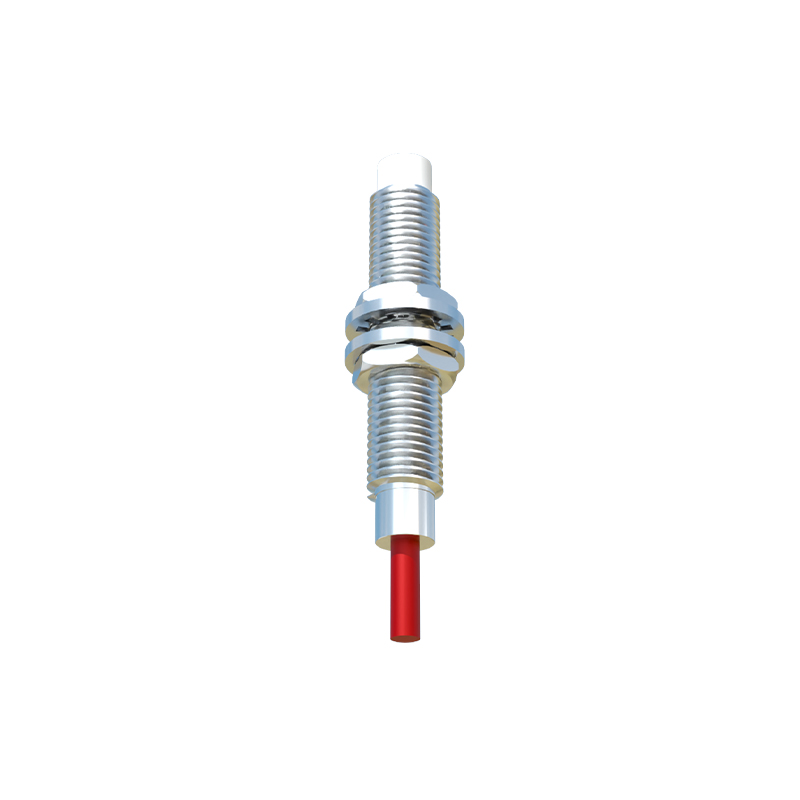
Inductive Proximity Sensors are the workhorses of metal detection. They generate an oscillating electromagnetic field from a coil. When a metallic target enters this field, eddy currents are induced in the target, which dampens the oscillation amplitude of the sensor. This change triggers the sensor's output switch. They are ideal for detecting ferrous and non-ferrous metals (with different sensing distances) and are highly resistant to environmental factors like dust, oil, and coolant. Typical applications include part presence detection on conveyor lines, limit switching in cylinders, and rotary speed monitoring.
Capacitive Proximity Sensors can detect both metallic and non-metallic materials, including liquids, powders, plastics, and wood. They function by generating an electrostatic field. Any object with a dielectric constant different from air entering this field increases the sensor's capacitance, triggering the output. This makes them perfect for level detection in tanks (liquid or granular), detecting filled packages, or seeing through thin non-metallic walls. Sensitivity adjustment is a key feature, allowing tuning to ignore certain materials or container walls.
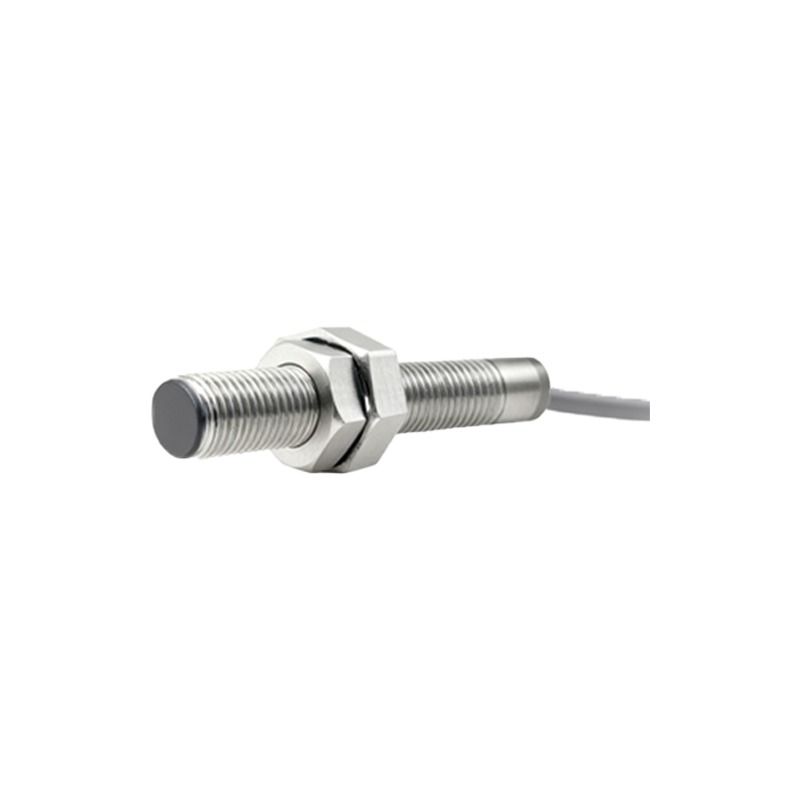
Ultrasonic Proximity Sensors measure the time interval between emitting an ultrasonic pulse and receiving its echo reflected from a target. They are excellent for precise distance measurement and can detect objects of virtually any material, regardless of color or transparency. They perform well in environments with airborne particulates like dust or smoke, where photoelectric sensors might fail. Common uses include palletizing, loop control in web processes, and bulk material level sensing.
Photoelectric Sensors use a light transmitter (usually LED) and a receiver. They come in several main types: Through-beam (separate emitter and receiver), Retro-reflective (uses a reflector), and Diffuse (reflects light off the target itself). They offer very long sensing ranges and can detect tiny objects. While highly versatile, their performance can be affected by target color, reflectivity, and environmental contaminants like dirt on the lens.
Key Selection Parameters:
1. Sensing Distance: The nominal operating distance. Always consider a safety factor; do not operate at the absolute limit.
2. Target Material: Dictates the sensor technology (inductive for metals, capacitive for diverse materials, etc.).
3. Output Type: Discrete (PNP/NPN, NO/NC) or analog (4-20mA, 0-10V). Choose based on PLC or controller input requirements.
4. Environmental Rating: IP (Ingress Protection) rating for dust and water resistance, and temperature range are critical for reliability.
5. Mounting and Size: Consider physical constraints and whether shielded (flush-mountable) or unshielded sensors are needed, especially for inductive types.
Installation and Troubleshooting Best Practices:
Electrical Noise: Use shielded cables, keep sensor wiring separate from power lines, and ensure proper grounding to prevent electromagnetic interference.
Mutual Interference: Maintain adequate spacing between multiple sensors (typically 2-3 times the sensor diameter) to prevent them from affecting each other's fields.
Target Considerations: Ensure the target size meets the sensor's minimum requirement. For inductive sensors, note that different metals (steel, aluminum, brass) have different correction factors that reduce the effective sensing distance.
Environmental Protection: Select the correct IP rating. Regularly clean the sensing face of contaminants like metal chips, oil, or dirt, which can reduce performance.
Diagnostics: Many modern sensors feature LED indicators for power, output status, and sometimes signal strength, which are invaluable for setup and troubleshooting.
In conclusion, selecting the right proximity sensor requires a systematic analysis of the application's physical, electrical, and environmental parameters. By understanding the strengths and limitations of each technology—inductive for robust metal detection, capacitive for material versatility, ultrasonic for challenging environments and distance, and photoelectric for long-range and small parts—engineers can design more reliable, efficient, and maintenance-friendly automated systems. Proper installation and adherence to manufacturer guidelines are the final, crucial steps to ensuring optimal sensor performance and