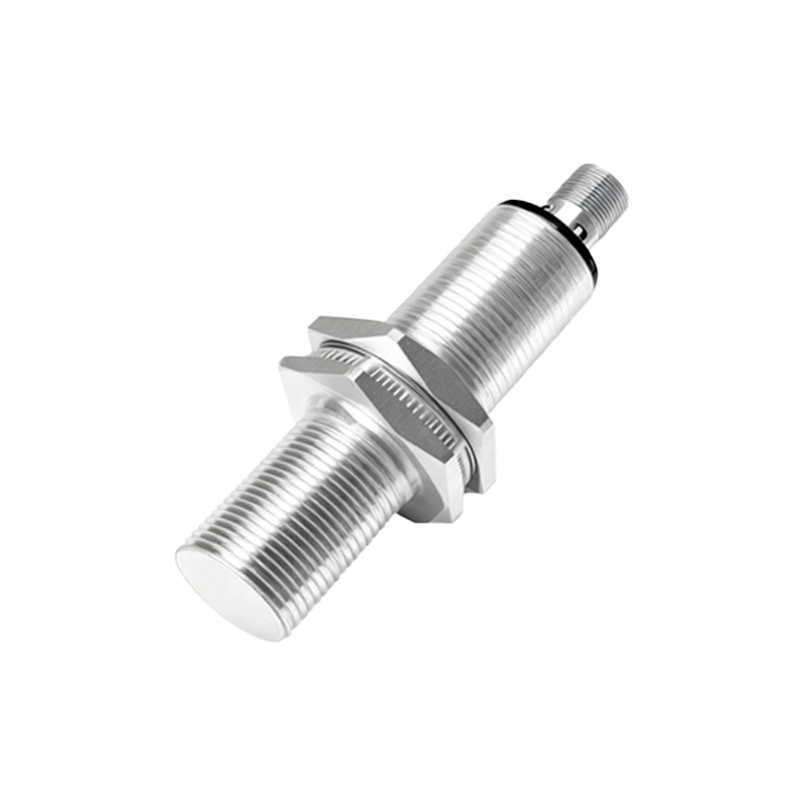
In the realm of industrial automation and sensing technology, laser emitters and proximity sensors are two critical components that often serve distinct purposes, yet their functionalities can sometimes be conflated. Understanding the fundamental differences between these devices is essential for engineers and system integrators to select the appropriate technology for specific applications. This article delves into the operational principles, typical use cases, and key distinctions between laser emitters and proximity sensors.
Laser emitters, commonly referred to as laser diodes or laser modules, are devices that generate coherent, monochromatic light beams through stimulated emission. These beams are highly focused and can travel long distances with minimal divergence, making them ideal for applications requiring precise targeting, measurement, or alignment. In industrial settings, laser emitters are frequently employed in tasks such as barcode scanning, distance measurement via time-of-flight or triangulation methods, machine vision systems, and alignment in manufacturing processes. For instance, in automated assembly lines, laser emitters help ensure components are correctly positioned by projecting reference lines or dots. The core advantage of laser technology lies in its accuracy and ability to operate over extended ranges, often exceeding several meters, depending on the power and design.
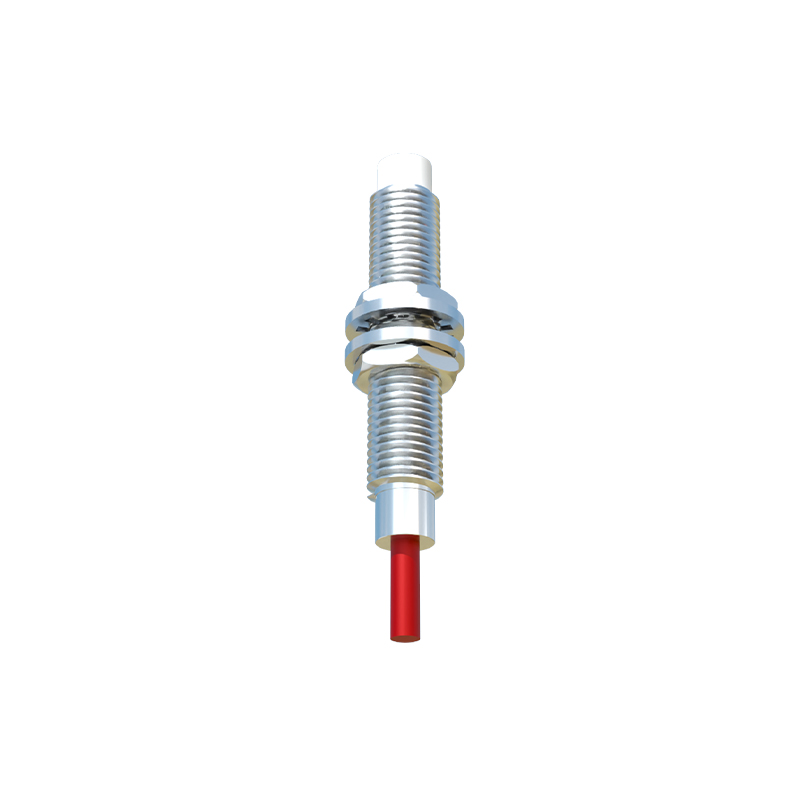
On the other hand, proximity sensors are non-contact devices designed to detect the presence or absence of an object within a specific range without physical contact. They operate based on various principles, including inductive, capacitive, ultrasonic, and photoelectric (which may incorporate laser or LED light sources). Proximity sensors are typically used to sense objects at shorter distances, ranging from a few millimeters to a few meters, and are valued for their reliability in harsh environments. Inductive proximity sensors, for example, detect metallic objects by generating an electromagnetic field, while capacitive sensors can detect both metallic and non-metallic materials by measuring changes in capacitance. Photoelectric proximity sensors use light beams to detect objects, and among these, laser-based photoelectric sensors utilize laser emitters as their light source. This is where some overlap occurs: a laser emitter can be a component within a proximity sensor system, but not all proximity sensors use lasers, and not all laser emitters function as proximity sensors.
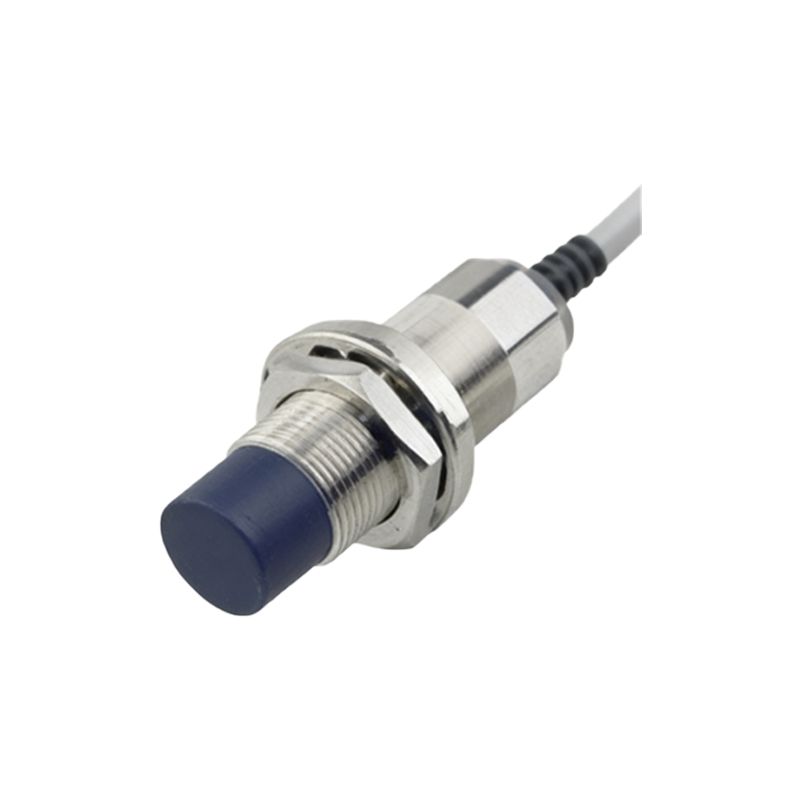
The primary distinction lies in their core functionality. A laser emitter is fundamentally a source of light, emitting a beam that can be used for various purposes, including sensing, but it does not inherently include detection capabilities. In contrast, a proximity sensor is a complete sensing unit that includes both an emitter (which could be a laser, LED, or other source) and a receiver to detect changes in the emitted signal caused by an object's presence. For instance, a laser proximity sensor combines a laser emitter with a photodetector to measure the reflection or interruption of the laser beam, providing precise detection at longer ranges compared to standard LED-based sensors. However, standalone laser emitters are often part of larger systems where the detection is handled separately, such as in LiDAR or interferometry applications.
When selecting between these technologies, engineers must consider factors like detection range, environmental conditions, target material, and required precision. Laser emitters excel in applications demanding high accuracy over long distances, such as in surveying, navigation, or precision cutting. They are sensitive to ambient light and require careful alignment, but offer superior resolution. Proximity sensors, including laser-based ones, are more suited for object detection, counting, or positioning in automated machinery, where robustness and fast response times are crucial. They are often designed to withstand dust, moisture, and vibration, making them suitable for factory floors.
In summary, while laser emitters and proximity sensors may intersect in certain photoelectric sensing applications, they serve different roles. Laser emitters provide the light source for precise optical tasks, whereas proximity sensors are integrated detection devices that may incorporate lasers as one of many technologies. Recognizing these differences ensures optimal implementation in industrial systems, enhancing efficiency and reliability. As automation advances, both technologies continue to evolve, offering improved performance for diverse engineering challenges.