Infrared temperature laser sensors, often referred to as infrared thermometers or pyrometers, represent a critical class of non-contact temperature measurement devices widely adopted across modern industry. Their ability to provide rapid, accurate, and remote temperature readings makes them indispensable for monitoring processes, ensuring product quality, and enhancing operational safety. This article delves into the underlying technology, key application areas, and essential factors for selecting the right sensor for specific industrial needs.
The fundamental principle of these sensors is based on Planck's Law of blackbody radiation. All objects with a temperature above absolute zero emit infrared radiation. An infrared temperature sensor detects this emitted energy through its optical system, which is often aided by a visible laser pointer for precise targeting. The laser itself does not measure temperature; its sole function is to indicate the exact spot on the target that the sensor's infrared detector is measuring. The sensor's detector, typically a thermopile or a photodetector, converts the collected infrared radiation into an electrical signal. This signal is then processed, compensated for ambient conditions, and translated into a temperature reading based on the object's emissivity—a material property defining how efficiently it emits infrared energy compared to a perfect blackbody.
The advantages of using infrared laser sensors are manifold. Firstly, they enable non-contact measurement, which is vital for moving objects, hazardous environments (e.g., high voltage, extreme temperatures), or delicate materials that could be contaminated or altered by physical contact. Secondly, they offer extremely fast response times, often in milliseconds, allowing for real-time monitoring and control of dynamic processes. Thirdly, they can measure very high temperatures that would destroy contact sensors like thermocouples.
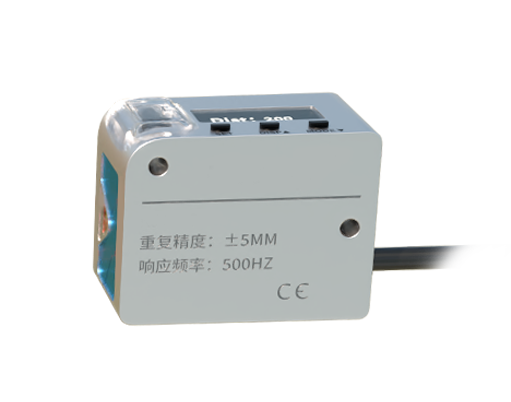
Industrial applications are diverse and demanding. In manufacturing, they are used for monitoring bearing temperatures in motors and gearboxes to predict failures, controlling temperature in plastic extrusion and molding processes, and verifying weld quality. In the metals industry, they are crucial for monitoring furnace temperatures, controlling rolling and forging processes, and measuring molten metal temperature. Within electronics manufacturing, these sensors help prevent overheating during circuit board soldering and component testing. Furthermore, they play a vital role in preventive maintenance programs, allowing technicians to scan electrical panels, transformers, and steam traps for abnormal heat patterns indicative of impending faults.
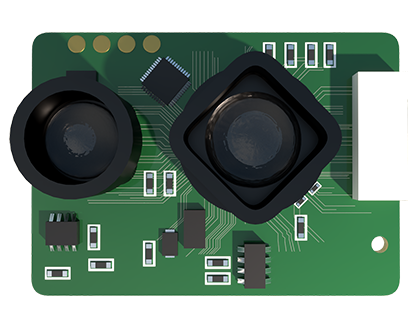
Selecting the appropriate infrared temperature laser sensor requires careful consideration of several parameters:
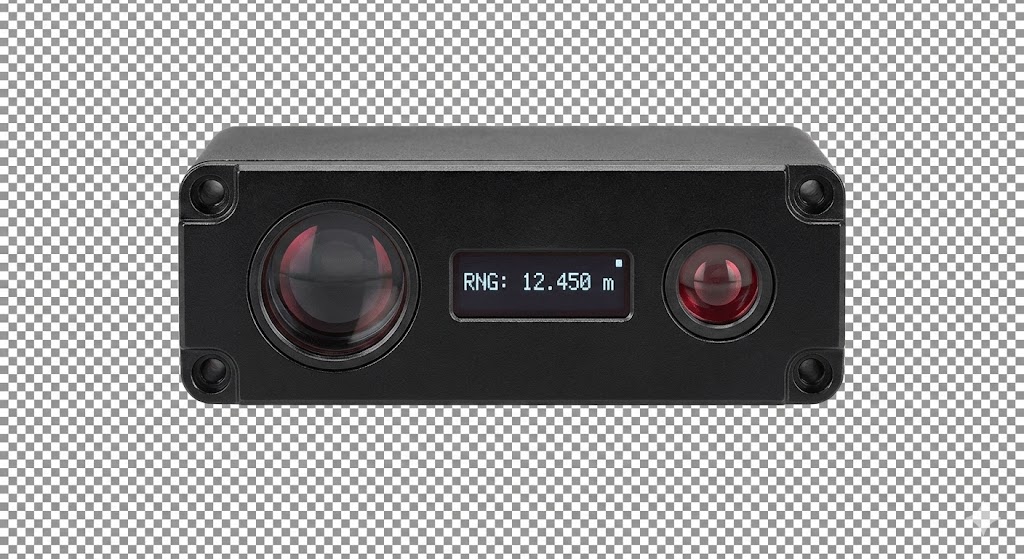
1. Temperature Range: The sensor must cover the minimum and maximum temperatures expected in the application.
2. Spectral Response: Different detector types are sensitive to specific infrared wavelengths. Choosing the correct wavelength (e.g., short-wave for high-temperature metals, long-wave for plastics and organic materials) is critical for accuracy.
3. Optical Resolution (Distance-to-Spot Size Ratio): This defines the size of the measurement spot at a given distance. A higher ratio allows for measuring smaller targets from farther away, which is essential for small components or when sensor mounting is constrained.
4. Emissivity Adjustment: The ability to set the emissivity value (from 0.1 to 1.0) is necessary to compensate for different surface materials, whether shiny, oxidized, or painted.
5. Environmental Rating: The housing must withstand the installation environment, considering factors like dust, moisture (IP ratings), and ambient temperature extremes.
6. Output and Connectivity: Standard analog outputs (4-20mA, 0-10V) or digital interfaces (RS-485, Modbus, Ethernet) are needed for integration into control systems and data loggers.
Installation and operation also demand attention. Ensuring a clear line of sight to the target is paramount. The measurement can be affected by atmospheric absorption (e.g., steam, dust), which may require purging accessories, or by reflections from other hot objects in the background. Regular maintenance, primarily keeping the lens clean from dirt and debris, is simple but essential for sustained accuracy.
In conclusion, infrared temperature laser sensors are powerful tools that bridge the gap between operational efficiency and predictive intelligence in industrial settings. By understanding their working principles and meticulously matching their specifications to the application's requirements, engineers and technicians can unlock significant benefits in process optimization, quality assurance, and equipment reliability. As Industry 4.0 advances, the integration of these sensors into IoT platforms for centralized monitoring and analytics will further amplify their value, making them a cornerstone of smart, data-driven manufacturing and maintenance strategies.