Laser sensors are pivotal components in modern industrial automation, offering high precision, reliability, and versatility in applications ranging from object detection to distance measurement. However, unlocking their full potential requires a deep understanding of their operational principles, configuration parameters, and integration techniques. This guide delves into the essential steps and best practices for effectively unlocking laser sensors, ensuring optimal performance in electrical engineering projects.
First, it is crucial to comprehend the fundamental working mechanism of laser sensors. These devices typically emit a laser beam toward a target, and the reflected light is captured by a receiver. Based on the time-of-flight, phase shift, or triangulation methods, the sensor calculates parameters such as distance, position, or presence of an object. To unlock a laser sensor, engineers must start by selecting the appropriate type—for instance, diffuse reflective, retro-reflective, or through-beam sensors—based on the specific application requirements. Each type has distinct advantages; for example, through-beam sensors offer long-range detection but require precise alignment, while diffuse sensors are easier to install but may have limited range.
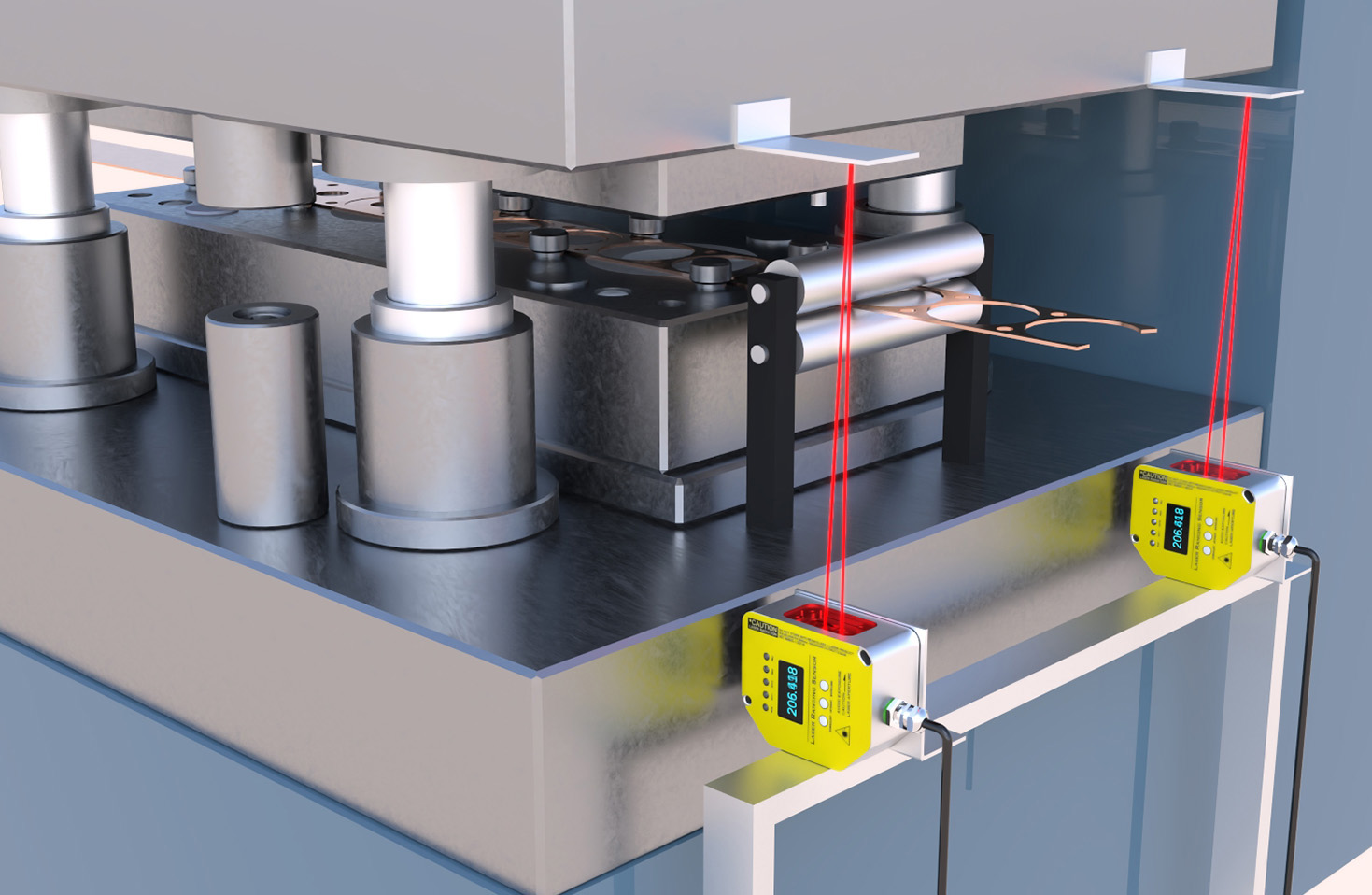
Once the sensor type is chosen, the unlocking process involves configuring key parameters through the device’s interface, which may include hardware buttons, digital displays, or software platforms. Common settings to adjust are the sensing range, response time, output mode (e.g., analog or digital signals), and environmental compensation factors like temperature or ambient light. For instance, in a high-speed production line, reducing the response time can enhance efficiency, but it must be balanced against the risk of false triggers. Engineers should refer to the manufacturer’s datasheet for recommended values and conduct preliminary tests in a controlled environment. Calibration is another critical step; using calibration tools or reference targets ensures accuracy. Misalignment or dirt on the lens can lead to errors, so regular maintenance, such as cleaning with a soft cloth and checking mounting stability, is advised.
Integration with control systems, such as PLCs (Programmable Logic Controllers) or industrial PCs, is where unlocking truly translates into functionality. This involves wiring the sensor correctly—typically connecting power supply, ground, and output wires—and programming the control unit to interpret sensor data. For example, in an automated packaging system, a laser sensor might trigger a robotic arm when an object is detected. Engineers should use shielded cables to minimize electromagnetic interference and follow safety standards, including laser safety classifications (e.g., Class 1 or 2) to prevent eye damage. Advanced features, like teach-in functions or IO-Link communication, can further unlock capabilities by enabling dynamic adjustments and data logging for predictive maintenance.
Troubleshooting common issues is part of the unlocking journey. If a sensor fails to detect objects, check for obstructions, power supply voltage, or incorrect parameter settings. Interference from other light sources or reflective surfaces can also cause problems; using sensors with background suppression or polarization filters may help. Software tools provided by manufacturers, such as diagnostic apps or simulation software, allow for real-time monitoring and fine-tuning. Case studies show that in automotive assembly lines, unlocking laser sensors with adaptive algorithms reduced downtime by 20% by anticipating misalignments.
In summary, unlocking laser sensors is not merely about activating a device but optimizing its performance through careful selection, configuration, calibration, and integration. As Industry 4.0 evolves, leveraging smart sensors with IoT connectivity will unlock even greater efficiencies. Engineers should stay updated with technological advancements, participate in training sessions, and collaborate with suppliers to harness the full power of laser sensing solutions. By mastering these steps, professionals can enhance system reliability, reduce costs, and drive innovation in electrical engineering applications.