In the realm of industrial automation, proximity sensors are indispensable components, providing non-contact detection of metallic and non-metallic objects. The manufacturing of these highly reliable devices demands specialized equipment and stringent processes to ensure precision, consistency, and performance under demanding conditions. This article delves into the core production machinery and assembly lines that form the backbone of modern proximity sensor fabrication.
The manufacturing journey begins with the production of the sensor's core component: the sensing element. For inductive proximity sensors, this involves sophisticated coil winding machines. These automated systems precisely wind fine-gauge copper wire onto ferrite cores with exceptional accuracy, controlling the number of turns, tension, and layering to achieve the specified electrical characteristics. Laser welding stations are then employed to securely attach lead wires to the coil terminals, ensuring a robust and low-resistance connection. For capacitive or ultrasonic sensors, the production of oscillator plates or piezoelectric crystals requires cleanroom environments and photolithography equipment similar to semiconductor manufacturing, where etching and deposition processes define the sensitive elements.
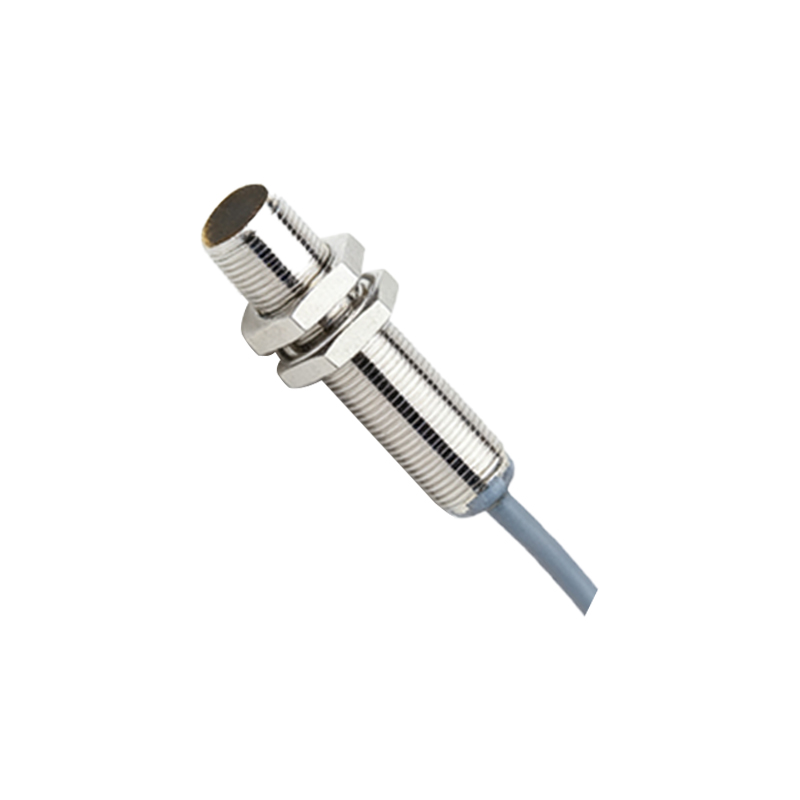
Following the sensing element, the housing and internal assembly phase is critical. Injection molding machines are central to this stage, producing the sensor's robust plastic or metal housings. High-precision molds, often made from hardened steel, are used to form the complex shapes that incorporate threading, mounting holes, and cavities for internal components. The choice of material—typically PBT, PPS for plastics, or nickel-plated brass/stainless steel for metals—is dictated by the required IP (Ingress Protection) rating and environmental resistance. Automated assembly lines then take over, where robotic pick-and-place systems insert the wound coil, damping compound, and electronic circuitry into the housing. The assembly of the oscillator circuit, which is the heart of the sensor's detection function, involves surface-mount technology (SMT) lines. These lines feature high-speed chip shooters and reflow ovens that populate and solder miniature resistors, capacitors, and integrated circuits onto printed circuit boards (PCBs) with micron-level precision.
Potting and sealing constitute perhaps the most vital step for ensuring long-term durability. Automated dispensing systems meter and inject a precise amount of epoxy resin or silicone potting compound into the sensor housing, encapsulating the internal electronics. This process, often performed under vacuum to eliminate air bubbles, protects components from moisture, vibration, and chemical exposure. Curing ovens then polymerize the potting material, solidifying the assembly. For sensors requiring high IP68 or IP69K ratings, additional laser welding or ultrasonic welding equipment is used to hermetically seal metal housings or lens covers, creating a permanent, impermeable barrier.
No manufacturing process is complete without rigorous testing and calibration. Dedicated test benches are integral to the production line. These systems automatically subject each sensor to a battery of functional checks. Key tests include the verification of the switching point (the precise distance at which the sensor activates), hysteresis, repeatability, and output signal integrity under various supply voltages. Temperature cycling chambers assess performance across the specified operational range, while EMC (Electromagnetic Compatibility) testers ensure the sensor does not emit excessive interference and is immune to external noise. Finally, automated laser marking systems engrave part numbers, ratings, and logos onto the finished product, ensuring traceability.
The trend in proximity sensor manufacturing equipment is moving towards greater integration and intelligence. Industry 4.0 principles are being adopted, where machines are equipped with IoT sensors themselves, providing real-time data on production parameters, equipment health (OEE - Overall Equipment Effectiveness), and predictive maintenance needs. This data-driven approach minimizes downtime and maximizes yield. Furthermore, flexible manufacturing systems (FMS) are becoming more prevalent, allowing the same production line to be quickly reconfigured for different sensor models and batch sizes, catering to the growing demand for customization.
In conclusion, the production of high-quality proximity sensors is a symphony of specialized machinery—from precision coil winders and SMT lines to automated potting systems and intelligent test rigs. The continuous advancement in this manufacturing equipment directly translates to sensors with higher reliability, smaller form factors, and smarter functionalities, thereby fueling the evolution of automated industrial systems worldwide. Investment in state-of-the-art production technology remains a key differentiator for manufacturers aiming to lead in this competitive and critical sector of industrial components.