In an increasingly interconnected world, the need for seamless yet robust security has never been greater. Enter the realm of biometric proximity sensors, sophisticated devices that operate silently in the background, authenticating identity and authorizing access without physical contact. These sensors represent a significant leap beyond traditional keypads or card readers, merging the concepts of biometric verification and spatial awareness to create a more intuitive and secure user experience.
At its core, a biometric proximity sensor is a device that detects the presence of an authorized individual within a specific range and verifies their identity using unique biological traits. Unlike simple motion detectors, these systems require positive identification before triggering any action, such as unlocking a door, logging into a workstation, or starting a vehicle. The most common biometric modalities integrated into such systems include fingerprint recognition, facial recognition, and iris scanning. The "proximity" component is typically enabled by technologies like Radio-Frequency Identification (RFID), Bluetooth Low Energy (BLE), or Near Field Communication (NFC), which establish a short-range wireless communication zone.
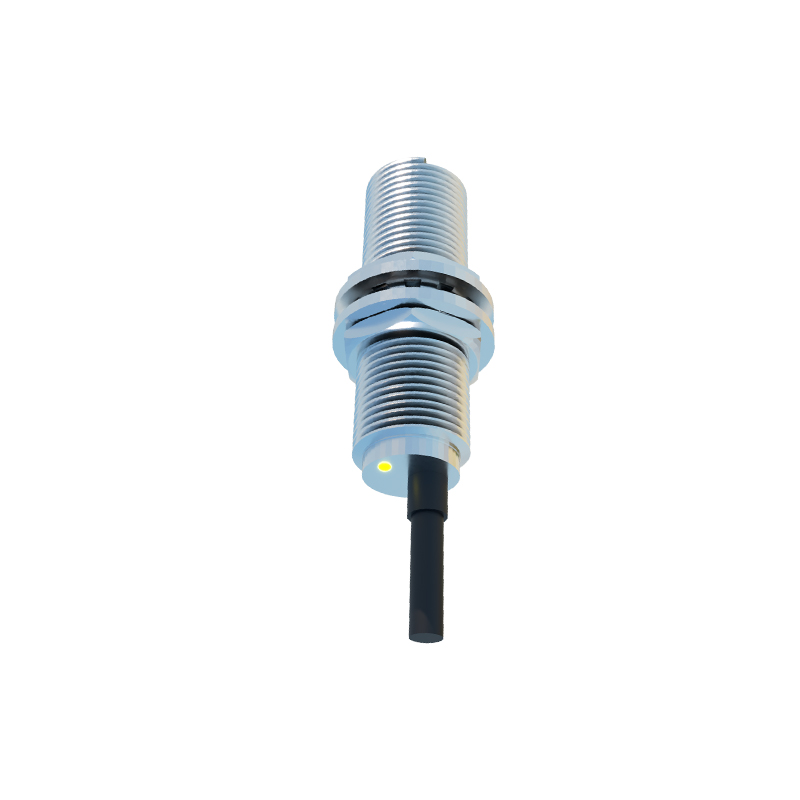
The operational principle is elegantly efficient. An authorized user, carrying a token like a smartphone or a specialized key fob, or simply their own biometric trait, approaches a secured point. The proximity sensor first detects the presence of a potential user within its defined field—often a few centimeters to several meters. Once presence is confirmed, the system initiates the biometric verification process. This could involve a fingerprint scanner on the door handle, a camera for facial recognition above the entryway, or an iris scanner embedded in a dashboard. Only upon a successful match between the presented biometric data and the stored template in the system's database is access granted. This two-step process of detection and verification drastically reduces false positives and enhances security.
The applications for this technology are vast and growing. In physical access control for corporate offices, research labs, or data centers, these sensors enable hands-free entry, improving hygiene and convenience while maintaining high-security standards. The automotive industry is rapidly adopting them for keyless entry and push-button start systems that authenticate the driver via fingerprint or facial recognition before allowing the engine to ignite. In personal electronics, smartphones and laptops use combinations of proximity sensors (to detect when the device is near the user's face) and facial recognition to unlock screens or make secure payments. Furthermore, in high-security environments like banks or government facilities, they can create layered security zones, where successive biometric checks are required as one moves deeper into the premises.
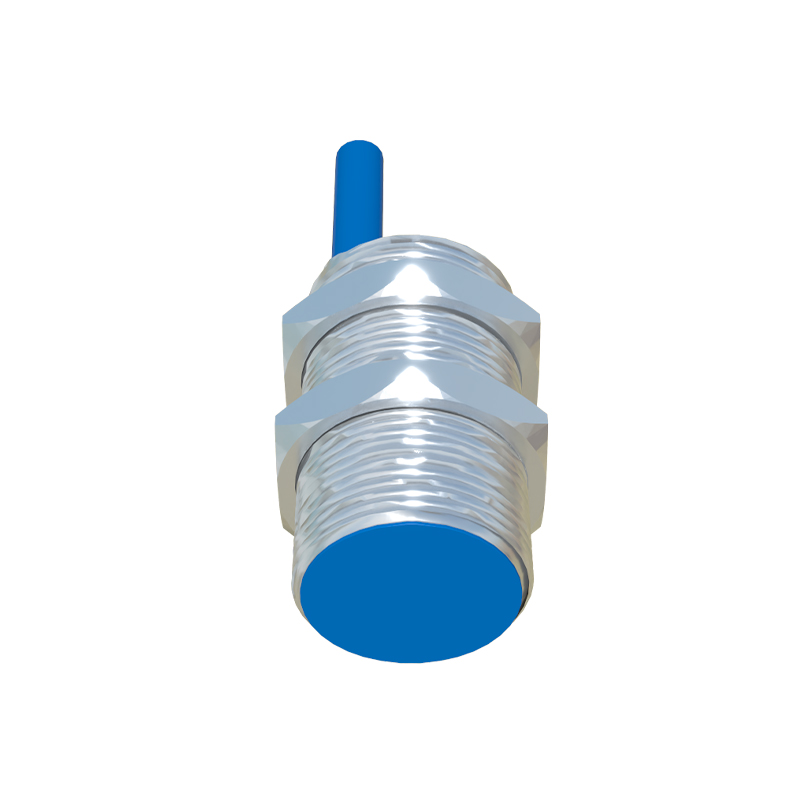
The advantages are compelling. The primary benefit is enhanced security through multi-factor authentication, combining "something you are" (biometrics) with "something you have" (proximity token) or "somewhere you are" (location). This makes unauthorized access exceedingly difficult. User convenience is another major selling point; the need to fumble for keys, cards, or remember complex passwords is eliminated, leading to smoother user experiences. Additionally, the audit trails generated are precise, logging not just that access occurred, but exactly who accessed a point and at what time.
However, the deployment of biometric proximity sensors is not without challenges and considerations. Privacy concerns are paramount, as the collection and storage of biometric data—irrevocable personal information—raise significant questions about data ownership, protection, and potential misuse. Robust encryption and strict compliance with data protection regulations like GDPR are non-negotiable. System accuracy can also be affected by environmental factors; dirt can obstruct a fingerprint reader, poor lighting can hinder facial recognition, and physical alterations like injuries can temporarily change biometric features. Furthermore, the initial cost of installation and integration can be higher than traditional systems, though this is often offset by long-term security benefits and operational efficiencies.
Looking ahead, the future of biometric proximity sensors is intertwined with advancements in artificial intelligence and sensor fusion. AI algorithms are making biometric verification faster and more adaptable, capable of learning subtle changes in a user's appearance over time. The integration of multiple sensor types—combining biometrics with behavioral analytics like gait recognition—promises even more seamless and continuous authentication. The concept of the "invisible firewall" is becoming a reality, where security is pervasive, adaptive, and minimally intrusive.
In conclusion, biometric proximity sensors stand as a cornerstone of modern, intelligent security infrastructure. They effectively bridge the gap between stringent security protocols and the human desire for effortless interaction. By verifying identity through what we inherently are, and granting access based on where we physically are, these invisible guardians are quietly redefining the boundaries of secure access in our homes, workplaces, and vehicles. As technology evolves, their role will only expand, making our environments not just smarter, but fundamentally safer.