In today's automated and smart technology landscape, proximity sensors have become indispensable components. From ensuring your smartphone screen turns off when held to your ear, to enabling complex industrial automation and robotics, these devices detect the presence or absence of nearby objects without physical contact. If you're asking, "Where can I buy proximity sensors?" you've come to the right place. This guide will navigate you through the primary purchasing channels, highlighting the pros and cons of each to help you make an informed decision.
The first and most common destination for many purchasers is online electronics component distributors. These platforms are powerhouses for industrial and hobbyist components. Websites like Digi-Key, Mouser, RS Components, and Newark offer vast inventories with detailed technical specifications, datasheets, and application notes. They cater to a global audience, providing options from countless manufacturers including Omron, Schneider Electric, Sick, and Pepperl+Fuchs. The key advantage here is selection and information. You can filter sensors by type (inductive, capacitive, ultrasonic, photoelectric), sensing distance, output type, and housing material. Most distributors offer reliable shipping and customer support. However, for beginners, the sheer number of options can be overwhelming, and minimum order quantities (MOQs) sometimes apply for specific parts.
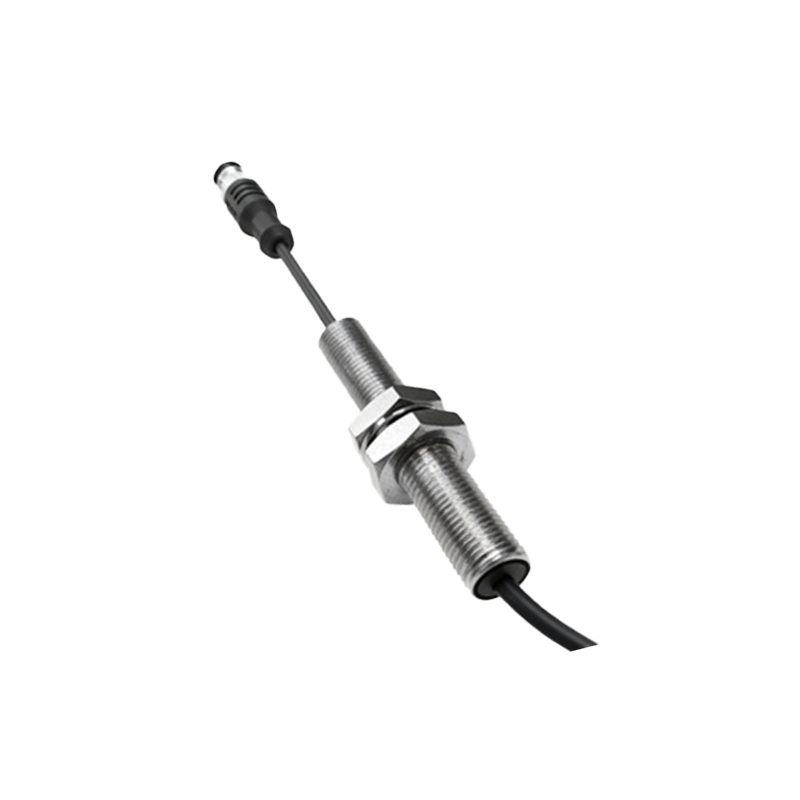
For those involved in prototyping, maker projects, or small-scale applications, maker-focused marketplaces are excellent sources. Platforms like Adafruit, SparkFun, and Seeed Studio specialize in user-friendly components, often with tutorials and community support. They frequently stock popular sensor modules that are easy to interface with development boards like Arduino or Raspberry Pi. While the selection might be narrower than that of large-scale distributors, the focus on accessibility and education is a significant benefit. Prices might be slightly higher per unit, but they are ideal for low-volume purchases without MOQs.
Don't underestimate the value of local electronics suppliers and specialized industrial suppliers. A quick online search for "industrial automation suppliers" or "electrical components" in your city or region can yield valuable results. Companies like Grainger, Applied Industrial Technologies, or smaller local shops provide the advantage of immediate availability and local expertise. You can often see the product, get technical advice in person, and avoid shipping delays and costs. This channel is particularly strong for standard inductive proximity sensors commonly used in manufacturing and machinery repair. Building a relationship with a local supplier can be invaluable for ongoing project needs.
Major online retail marketplaces, namely Amazon and eBay, also host a multitude of sellers offering proximity sensors. This route is convenient and often features competitive pricing and fast shipping, especially with Amazon Prime. It's suitable for common sensor types for DIY projects or replacements. The critical caveat is to exercise due diligence. Carefully check seller ratings, read customer reviews, and scrutinize product descriptions. Be wary of unclear specifications or counterfeit products. This channel is best for purchases where absolute precision and certified industrial-grade reliability are not the primary concerns.
Finally, for large-scale industrial procurement or highly specialized sensor requirements, purchasing directly from the manufacturer or their authorized distributors is the recommended path. Companies like Banner Engineering, Turck, or ifm efector have "Where to Buy" sections on their websites to locate official sales channels. This ensures you receive genuine products with full manufacturer warranties, technical support, and access to detailed configuration tools. While this might not be the fastest option for a single unit, it guarantees quality and traceability, which are critical for integration into professional systems.
Your choice ultimately depends on your specific needs: Are you a hobbyist building a robot? A maintenance technician needing a quick replacement? Or an engineer sourcing for a production line? Consider factors like required quantity, technical support, lead time, and budget. Always cross-reference part numbers, review datasheets, and when in doubt, reach out to the seller's technical support team with your application questions. By understanding these different purchasing avenues, you can confidently source the right proximity sensor for your project, ensuring both performance and value.