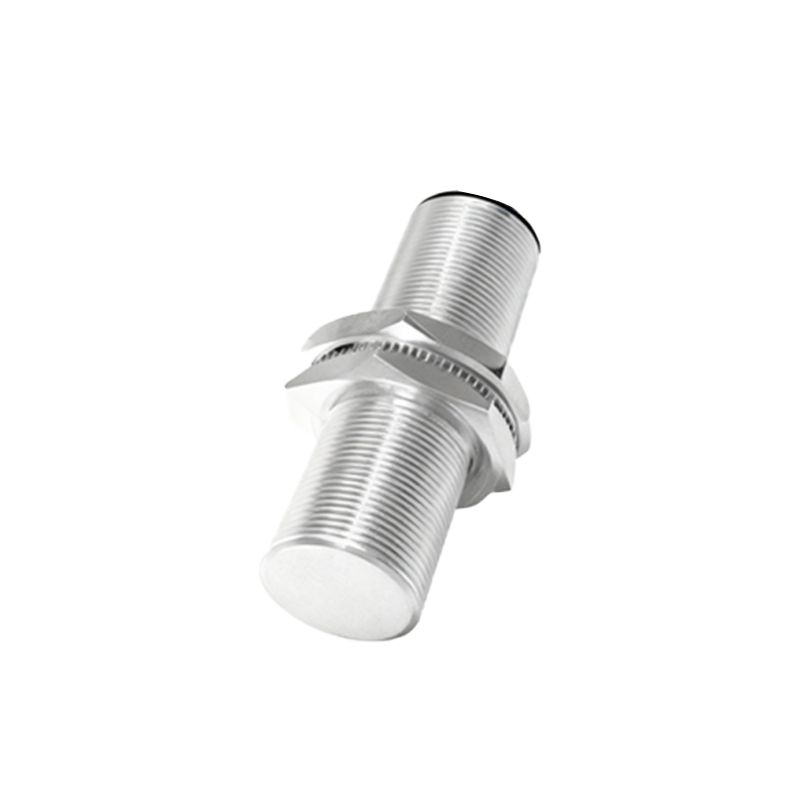
The global market for proximity sensors is experiencing a significant transformation, driven by advancements in technology and increasing demand across diverse industries. These non-contact devices, which detect the presence or absence of objects within a defined range, are becoming more sophisticated, reliable, and cost-effective. This evolution is opening new sales avenues and applications, reshaping how businesses approach automation and safety.
A primary driver for the surge in new proximity sensor sales is the relentless growth of industrial automation. Manufacturing facilities worldwide are integrating smarter, more interconnected systems to enhance efficiency and reduce operational costs. Modern inductive, capacitive, and photoelectric proximity sensors offer high precision and durability in harsh environments, from automotive assembly lines to food and beverage processing plants. Their ability to function without physical contact minimizes wear and tear, leading to lower maintenance requirements and higher system uptime—a compelling value proposition for plant managers and procurement officers.
Beyond traditional manufacturing, the expansion of the Internet of Things (IoT) and smart infrastructure projects presents a massive opportunity. New sensor models are now equipped with digital interfaces and networking capabilities, allowing them to communicate data seamlessly with central control systems. This connectivity is crucial for applications in smart cities, such as monitoring traffic flow, managing street lighting, and enabling smart parking solutions. In the consumer electronics sector, the demand for miniaturized and low-power sensors is rising, fueled by their use in smartphones, tablets, and wearable devices for features like automatic screen wake-up and gesture control.
The automotive industry remains a heavyweight consumer, with sales bolstered by the shift towards electric vehicles (EVs) and advanced driver-assistance systems (ADAS). Proximity sensors are integral to parking assistance, collision avoidance, and blind-spot detection systems. As autonomy levels in vehicles increase, the requirement for sensors with faster response times, greater accuracy, and robustness in all weather conditions will continue to climb, creating a sustained sales pipeline for high-end sensor manufacturers.
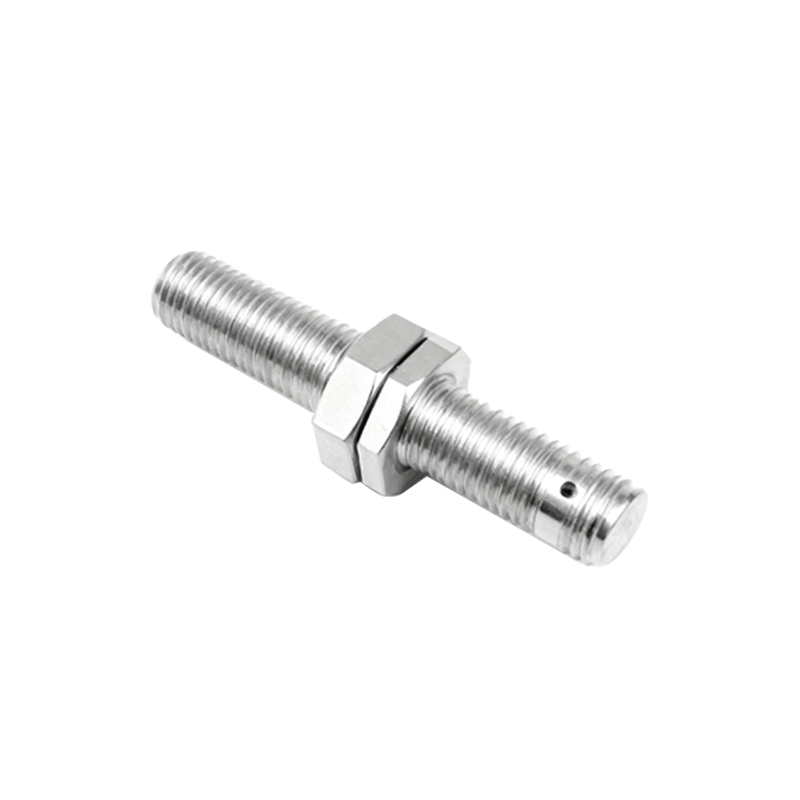
Another promising frontier is the healthcare and life sciences sector. Here, proximity sensors enable touchless interfaces for medical equipment—a vital feature for maintaining sterile environments. They are also used in patient monitoring systems and automated diagnostic devices. The emphasis on hygiene and infection control, especially in the post-pandemic landscape, has accelerated the adoption of contactless technologies, directly impacting sensor sales in this field.
From a sales and marketing perspective, success in this competitive market hinges on understanding specific industry pain points. Suppliers are not merely selling a component; they are providing a solution that improves safety, boosts productivity, or enables new functionalities. Effective sales strategies involve demonstrating clear return on investment (ROI), offering robust technical support, and ensuring supply chain reliability. Furthermore, the trend towards customization is growing. Clients often require sensors tailored to specific detection ranges, form factors, or output signals, pushing manufacturers to offer more flexible and application-engineered products.
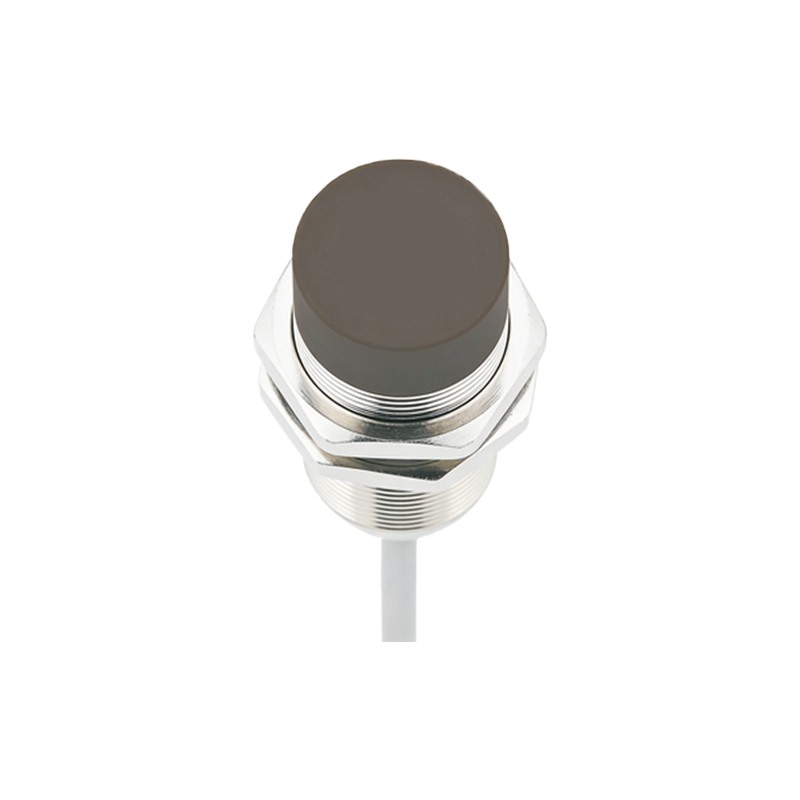
Environmental regulations and a global push for energy efficiency are also influencing product development and sales arguments. Newer proximity sensors are designed to consume less power, contributing to greener operations. This feature is particularly attractive for battery-operated devices and systems aiming for sustainability certifications.
In conclusion, the sales landscape for new proximity sensors is dynamic and expanding. Growth is fueled by core industrial automation, alongside burgeoning opportunities in IoT, automotive innovation, and smart healthcare. For businesses, staying ahead requires continuous innovation in sensor technology, a deep understanding of evolving application needs, and a customer-centric sales approach that highlights tangible operational benefits. The future points toward even more intelligent, integrated, and indispensable sensing solutions across every facet of the modern economy.